Li Lin, Wang Hui, Li Chao, Wang Zheng, Zhang Ping, Yan Xu
Department of Oncology, Beijing Hospital, National Center of Gerontology, Beijing, China.
Department of Pathology, Beijing Hospital, National Center of Gerontology, Beijing, China.
Oncotarget. 2017 Mar 14;8(11):18609-18614. doi: 10.18632/oncotarget.14506.
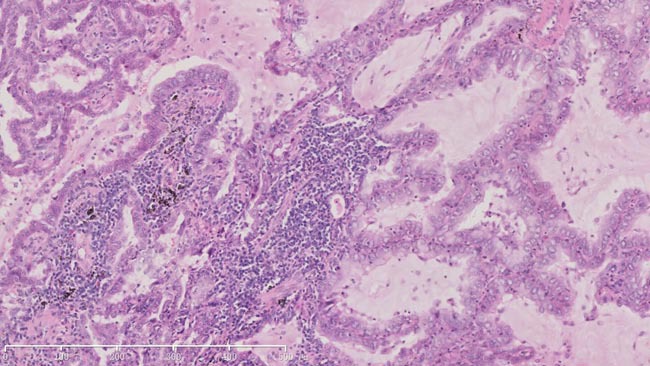
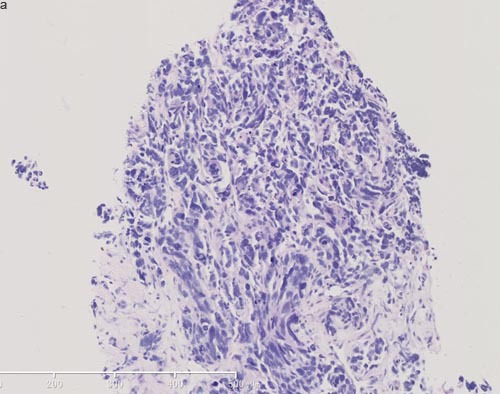
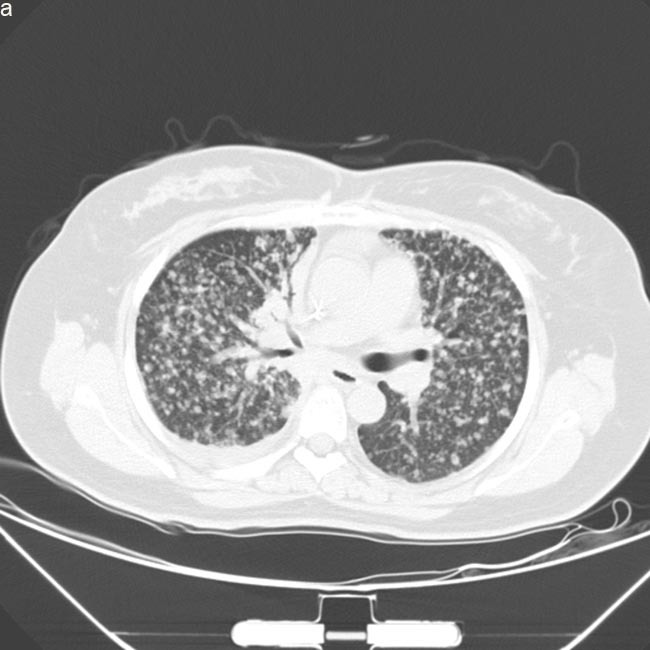
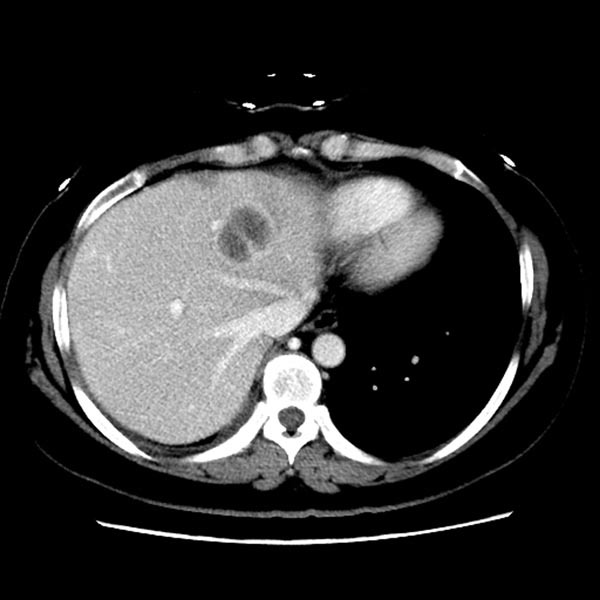
AZD9291, a third-generation epidermal growth factor receptor (EGFR) tyrosine kinase inhibitor (TKI), benefits patients with T790M mutant non-small-cell lung cancer who fail treatment with first-generation EGFR TKIs. Acquisition of resistance to AZD9291 occurs inevitable and mechanisms need to be explored. We reported an advanced lung adenocarcinoma female with EGFR exon19 deletion treated on AZD9291 after failure of erlotinib and chemotherapy. Disease progressed again after 6 months' treatment of AZD9291 with hepatic metastasis. Re-biopsy of the hepatic lesion showed histopathology transformation to small cell lung cancer, which harbored EGFR exon19 deletion. Therefore, small cell carcinoma transformation is one of potential resistance mechanisms to AZD9291 and regimen for small cell carcinoma may be one of the treatment options.
AZD9291是一种第三代表皮生长因子受体(EGFR)酪氨酸激酶抑制剂(TKI),可使第一代EGFR TKI治疗失败的T790M突变型非小细胞肺癌患者受益。对AZD9291产生耐药性是不可避免的,其机制有待探索。我们报告了1例晚期肺腺癌女性患者,在厄洛替尼和化疗失败后接受AZD9291治疗,其存在EGFR外显子19缺失。接受AZD9291治疗6个月后疾病再次进展并出现肝转移。对肝脏病变进行再次活检显示组织病理学转变为小细胞肺癌,该小细胞肺癌存在EGFR外显子19缺失。因此,小细胞癌转化是AZD9291潜在的耐药机制之一,针对小细胞癌的治疗方案可能是治疗选择之一。