Gómez-Cabello Daniel, Checa-Rodríguez Cintia, Abad María, Serrano Manuel, Huertas Pablo
Andalusian Center for Molecular Biology and Regenerative Medicine (CABIMER), Seville 41092, Spain.
Andalusian Center for Molecular Biology and Regenerative Medicine (CABIMER), Seville 41092, Spain; Department of Genetics, University of Seville, Seville 41012, Spain.
Stem Cell Reports. 2017 Feb 14;8(2):432-445. doi: 10.1016/j.stemcr.2016.12.009. Epub 2017 Jan 5.
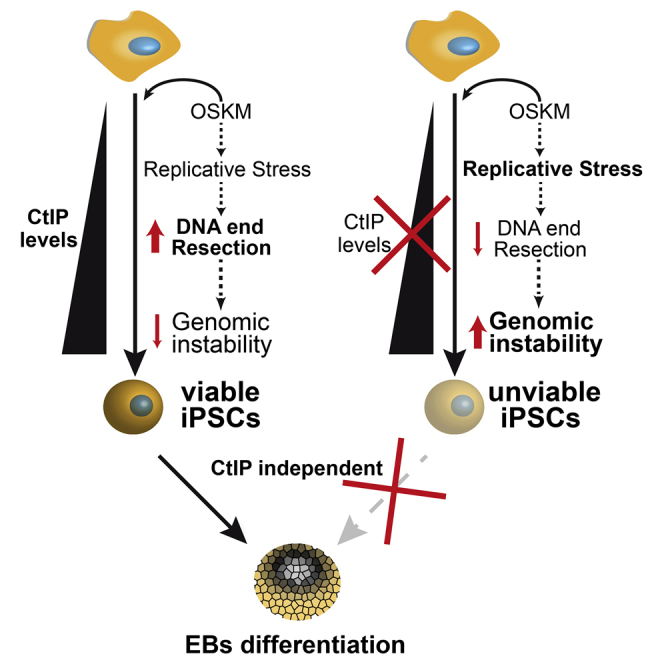
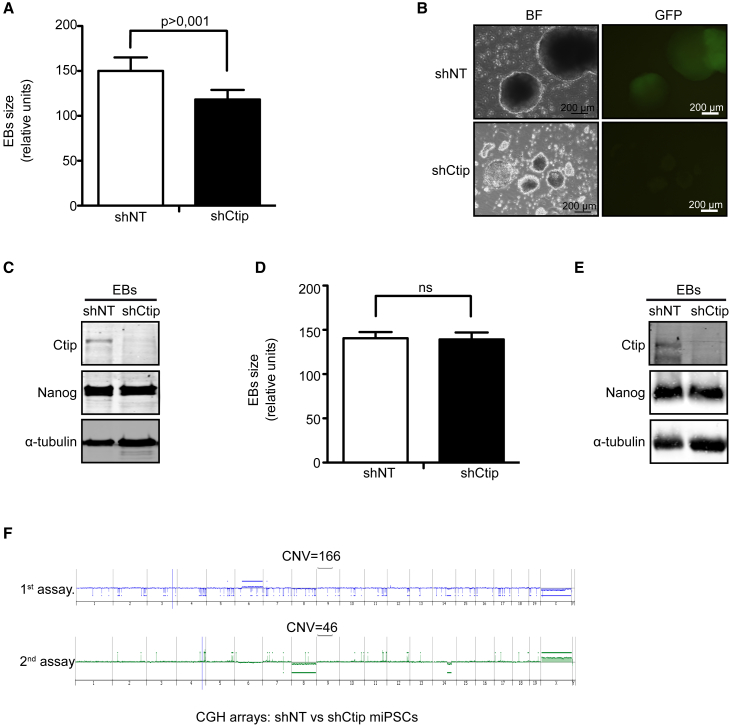
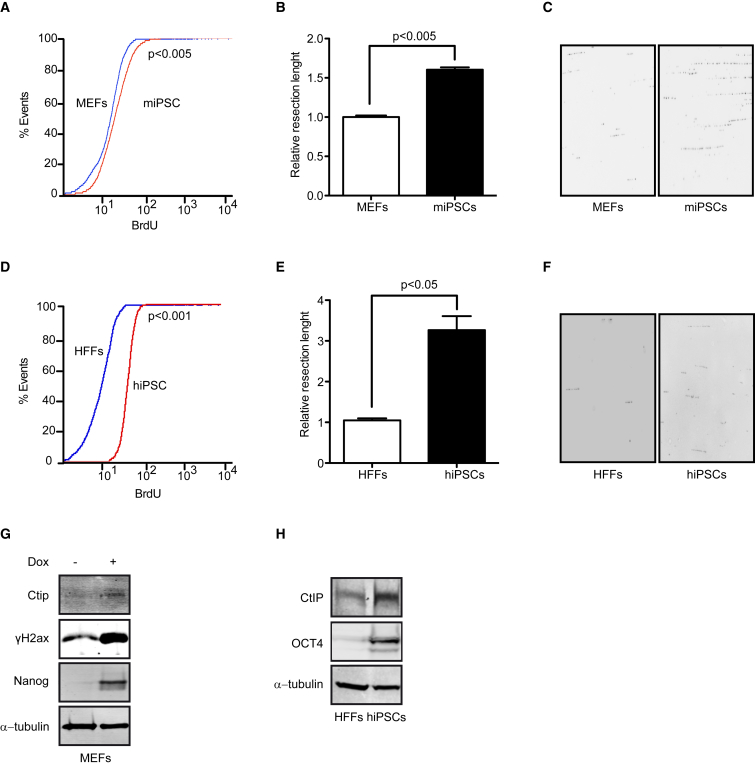
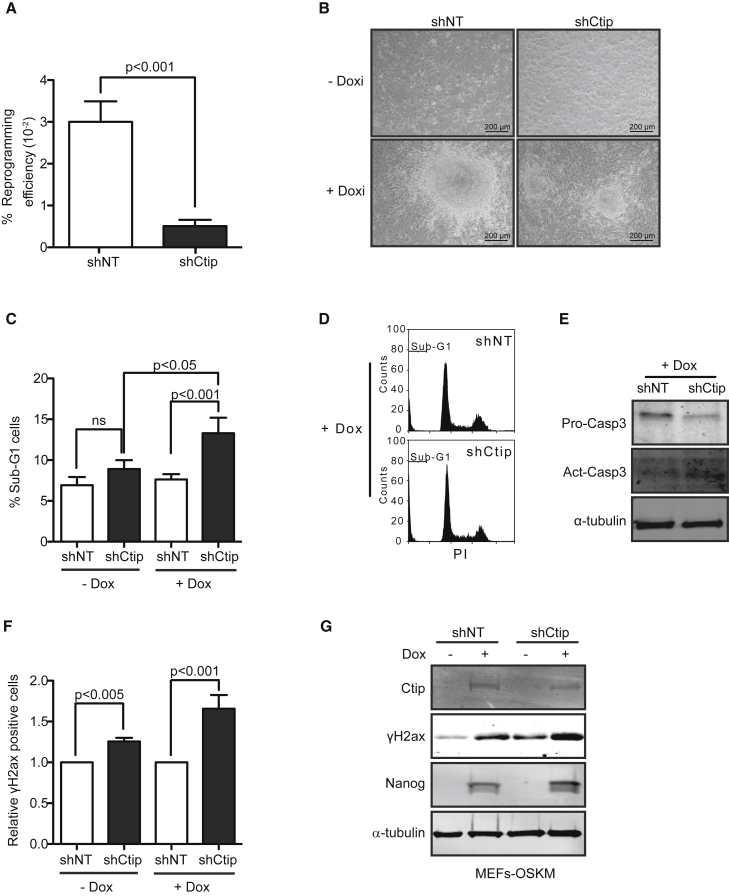
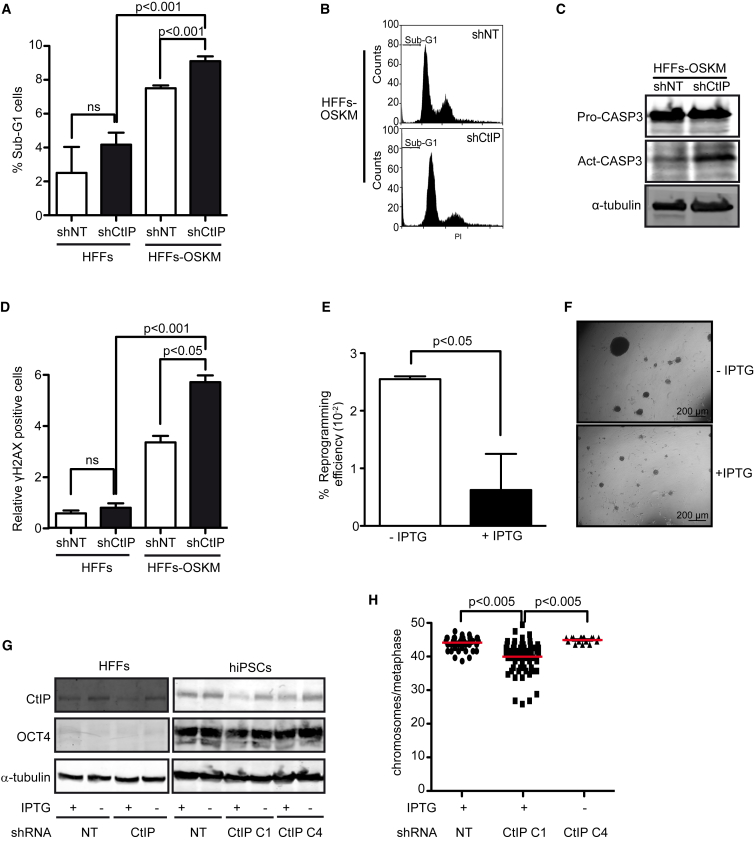
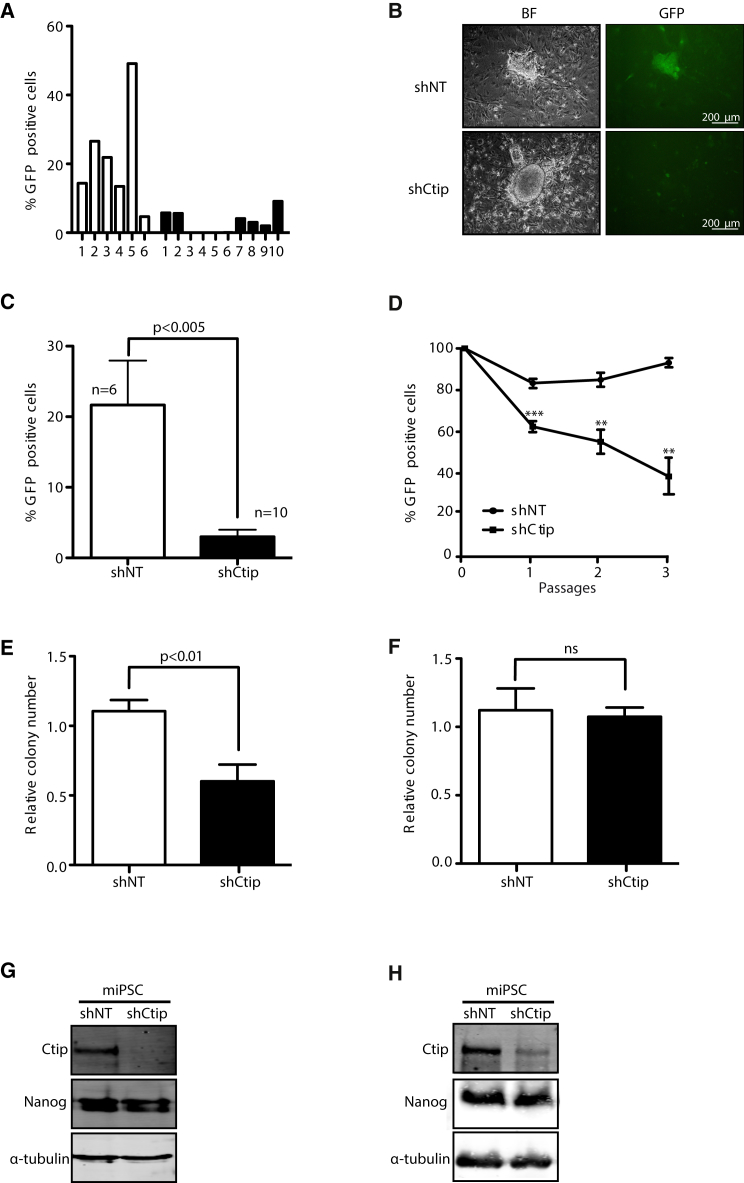
Acquired genomic instability is one of the major concerns for the clinical use of induced pluripotent stem cells (iPSCs). All reprogramming methods are accompanied by the induction of DNA damage, of which double-strand breaks are the most cytotoxic and mutagenic. Consequently, DNA repair genes seem to be relevant for accurate reprogramming to minimize the impact of such DNA damage. Here, we reveal that reprogramming is associated with high levels of DNA end resection, a critical step in homologous recombination. Moreover, the resection factor CtIP is essential for cell reprogramming and establishment of iPSCs, probably to repair reprogramming-induced DNA damage. Our data reveal a new role for DNA end resection in maintaining genomic stability during cell reprogramming, allowing DNA repair fidelity to be retained in both human and mouse iPSCs. Moreover, we demonstrate that reprogramming in a resection-defective environment has long-term consequences on stem cell self-renewal and differentiation.
获得性基因组不稳定是诱导多能干细胞(iPSC)临床应用中的主要问题之一。所有重编程方法都会伴随着DNA损伤的诱导,其中双链断裂是最具细胞毒性和致突变性的。因此,DNA修复基因似乎与精确重编程相关,以尽量减少此类DNA损伤的影响。在这里,我们揭示重编程与高水平的DNA末端切除相关,这是同源重组中的关键步骤。此外,切除因子CtIP对于细胞重编程和iPSC的建立至关重要,可能是为了修复重编程诱导的DNA损伤。我们的数据揭示了DNA末端切除在细胞重编程过程中维持基因组稳定性的新作用,使得人类和小鼠iPSC中的DNA修复保真度得以保留。此外,我们证明在切除缺陷环境中的重编程对干细胞的自我更新和分化具有长期影响。