Sanmarco Liliana Maria, Visconti Laura Marina, Eberhardt Natalia, Ramello Maria Cecilia, Ponce Nicolás Eric, Spitale Natalia Beatriz, Vozza Maria Lola, Bernardi Germán Andrés, Gea Susana, Minguez Angel Ramón, Aoki Maria Pilar
Centro de Investigaciones en Bioquímica Clínica e Inmunología CIBICI-CONICET, Facultad de Ciencias Químicas, Universidad Nacional de Córdoba , Córdoba , Argentina.
Hospital Nuestra Señora de la Misericordia del Nuevo Siglo , Córdoba , Argentina.
Front Immunol. 2016 Dec 23;7:626. doi: 10.3389/fimmu.2016.00626. eCollection 2016.
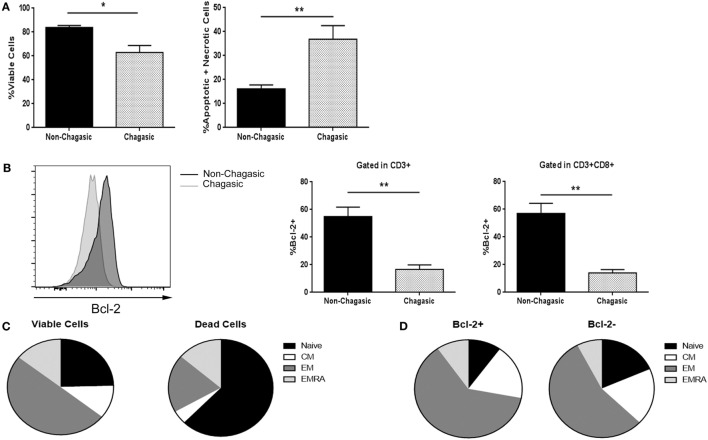
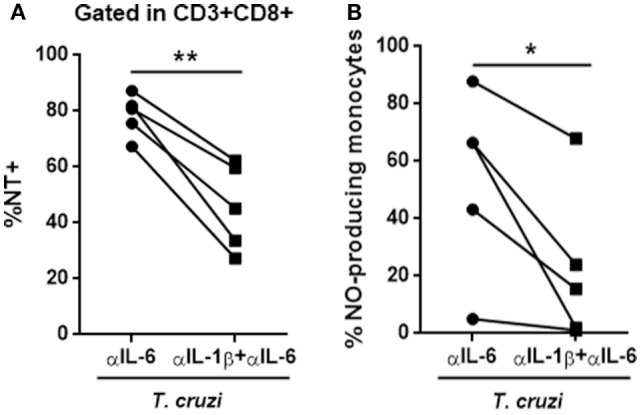
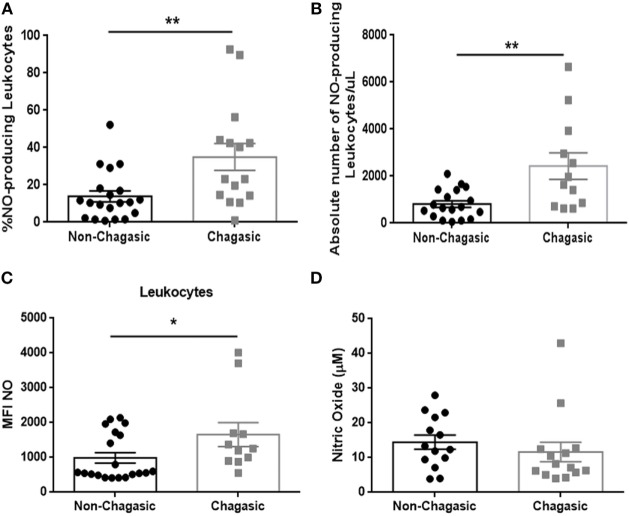
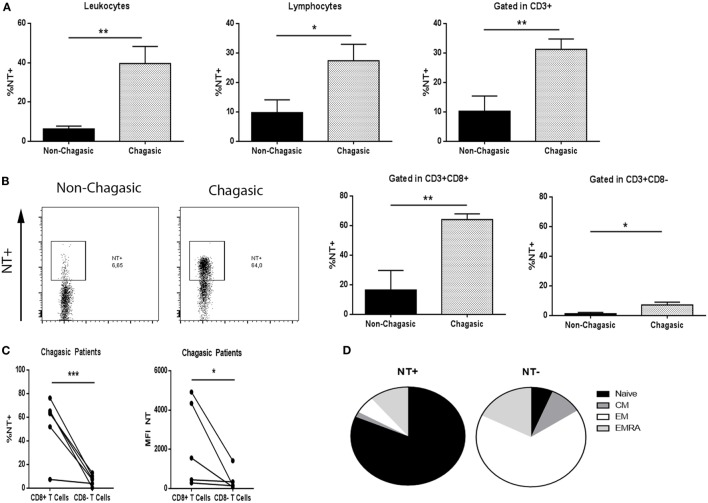
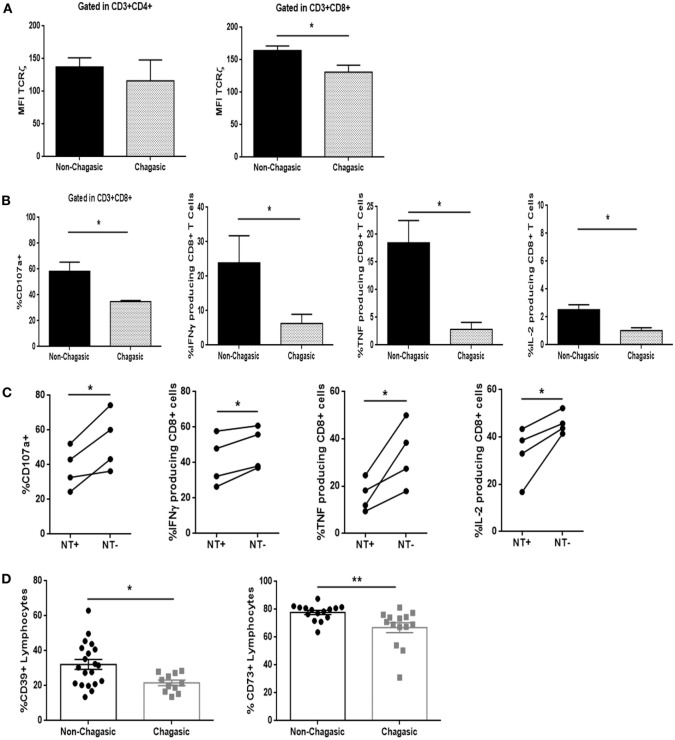
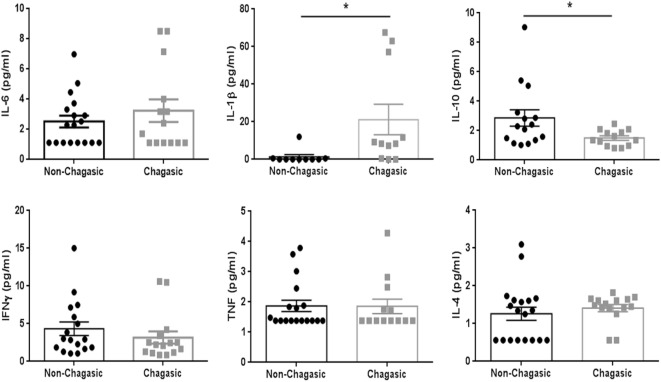
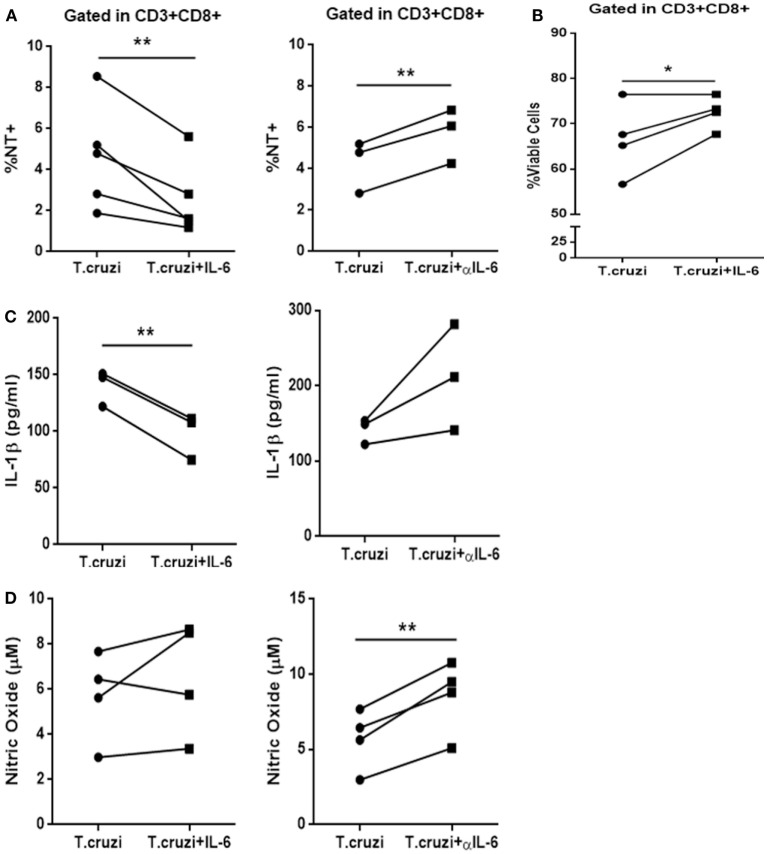
Reactive oxygen and nitrogen species are important microbicidal agents and are also involved in lymphocyte unresponsiveness during experimental infections. Many of the biological effects attributed to nitric oxide are mediated by peroxynitrites, which induce the nitration of immune cells, among others. Our group has demonstrated that nitric oxide is involved in the suppressive activity of myeloid-derived suppressor cells in -infected mice, with a higher number of CD8+ T cells suffering surface-nitration compared to uninfected controls. Studying the functional and phenotypic features of peripheral CD8+ T cells from chagasic patients and human cells experimentally infected with , we found that different regulatory mechanisms impaired the effector functions of T cytotoxic population from seropositive patients. Peripheral leukocytes from chagasic patients showed increased nitric oxide production concomitant with increased tyrosine nitration of CD8+ T cells. Additionally, this cytotoxic population exhibited increased apoptotic rate, loss of the TCRζ-chain, and lower levels of CD107a, a marker of degranulation. Strikingly, IL-6 stimulation of -infected peripheral blood mononuclear cells obtained from healthy donors, blunted -induced nitration of CD3+CD8+ cells, and increased their survival. Furthermore, the treatment of these cultures with an IL-6 neutralizing antibody increased the percentage of -induced CD8+ T cell nitration and raised the release of nitric oxide. The results suggest that the under-responsiveness of cytotoxic T cell population observed in the setting of long-term constant activation of the immune system could be reverted by the pleiotropic actions of IL-6, since this cytokine improves its survival and effector functions.
活性氧和氮物质是重要的杀微生物剂,在实验性感染期间也参与淋巴细胞无反应性。许多归因于一氧化氮的生物学效应是由过氧亚硝酸盐介导的,过氧亚硝酸盐可诱导免疫细胞等发生硝化反应。我们的研究小组已经证明,一氧化氮参与感染小鼠中髓源性抑制细胞的抑制活性,与未感染的对照组相比,有更多的CD8 + T细胞发生表面硝化。通过研究恰加斯病患者外周血CD8 + T细胞以及实验感染的人细胞的功能和表型特征,我们发现不同的调节机制损害了血清阳性患者细胞毒性T细胞群体的效应功能。恰加斯病患者的外周血白细胞显示一氧化氮产生增加,同时CD8 + T细胞的酪氨酸硝化增加。此外,该细胞毒性群体表现出凋亡率增加、TCRζ链丢失以及脱颗粒标志物CD107a水平降低。令人惊讶的是,用IL-6刺激从健康供体获得的感染外周血单核细胞,可减弱诱导的CD3 + CD8 +细胞硝化,并提高其存活率。此外,用IL-6中和抗体处理这些培养物可增加诱导的CD8 + T细胞硝化百分比,并提高一氧化氮的释放。结果表明,在免疫系统长期持续激活的情况下观察到的细胞毒性T细胞群体反应不足可能会被IL-6的多效作用所逆转,因为这种细胞因子可改善其存活率和效应功能。