Malnoy Mickael, Viola Roberto, Jung Min-Hee, Koo Ok-Jae, Kim Seokjoong, Kim Jin-Soo, Velasco Riccardo, Nagamangala Kanchiswamy Chidananda
Research and Innovation Centre, Genomics and Biology of Fruit Crop Department, Fondazione Edmund Mach Trento, Italy.
ToolGen Inc. Seoul, Republic of Korea.
Front Plant Sci. 2016 Dec 20;7:1904. doi: 10.3389/fpls.2016.01904. eCollection 2016.
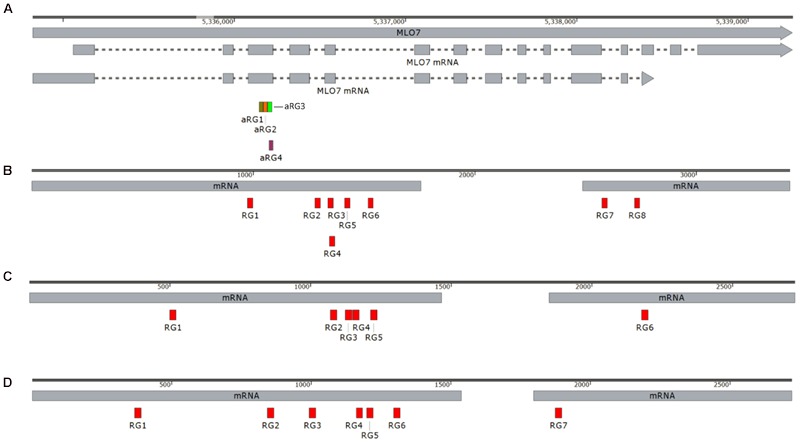
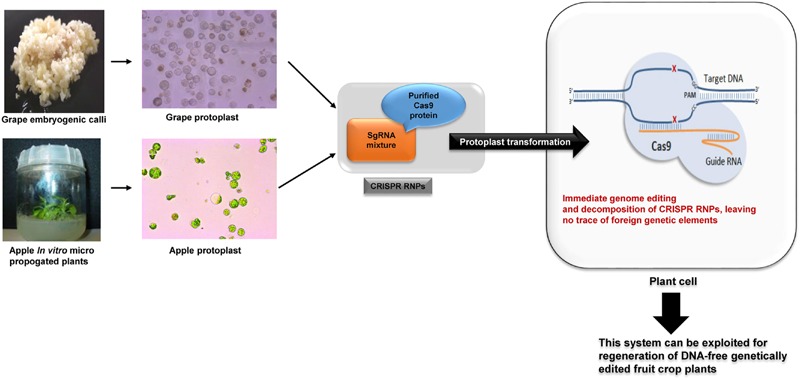
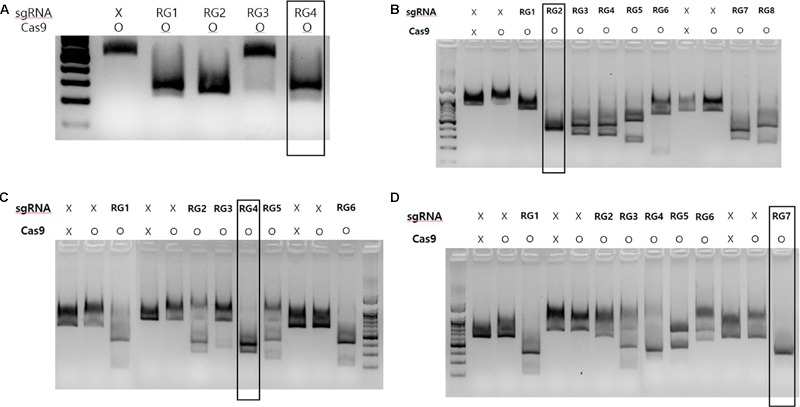
The combined availability of whole genome sequences and genome editing tools is set to revolutionize the field of fruit biotechnology by enabling the introduction of targeted genetic changes with unprecedented control and accuracy, both to explore emergent phenotypes and to introduce new functionalities. Although plasmid-mediated delivery of genome editing components to plant cells is very efficient, it also presents some drawbacks, such as possible random integration of plasmid sequences in the host genome. Additionally, it may well be intercepted by current process-based GMO regulations, complicating the path to commercialization of improved varieties. Here, we explore direct delivery of purified CRISPR/Cas9 ribonucleoproteins (RNPs) to the protoplast of grape cultivar and apple cultivar such as fruit crop plants for efficient targeted mutagenesis. We targeted , a susceptible gene in order to increase resistance to powdery mildew in grape cultivar and , and in the apple to increase resistance to fire blight disease. Furthermore, efficient protoplast transformation, the molar ratio of Cas9 and sgRNAs were optimized for each grape and apple cultivar. The targeted mutagenesis insertion and deletion rate was analyzed using targeted deep sequencing. Our results demonstrate that direct delivery of CRISPR/Cas9 RNPs to the protoplast system enables targeted gene editing and paves the way to the generation of DNA-free genome edited grapevine and apple plants.
全基因组序列和基因组编辑工具的结合可用性,有望通过以前所未有的控制和准确性引入靶向基因变化,彻底改变水果生物技术领域,既能探索新出现的表型,又能引入新的功能。尽管将基因组编辑组件通过质粒介导递送至植物细胞非常有效,但它也存在一些缺点,例如质粒序列可能随机整合到宿主基因组中。此外,它很可能会受到当前基于过程的转基因法规的限制,使改良品种的商业化之路变得复杂。在这里,我们探索将纯化的CRISPR/Cas9核糖核蛋白(RNP)直接递送至葡萄品种和苹果品种(如水果作物)的原生质体,以进行高效的靶向诱变。我们针对葡萄品种中的一个易感基因 ,以提高其对白粉病的抗性,以及针对苹果中的 和 ,以提高其对火疫病的抗性。此外,针对每个葡萄和苹果品种优化了高效原生质体转化中Cas9和sgRNA的摩尔比。使用靶向深度测序分析靶向诱变插入和缺失率。我们的结果表明,将CRISPR/Cas9 RNP直接递送至原生质体系统能够实现靶向基因编辑,并为生成无DNA的基因组编辑葡萄和苹果植株铺平了道路。