Dept. of Physical Chemistry, Faculty of Pharmacy, University of Granada, Cartuja Campus, 18071, Granada Spain.
GENYO, Pfizer-University of Granada-Junta de Andalucia Centre for Genomics and Oncological Research, Avda Ilustracion 114. PTS, 18016, Granada Spain.
Sci Rep. 2017 Jan 9;7:40065. doi: 10.1038/srep40065.
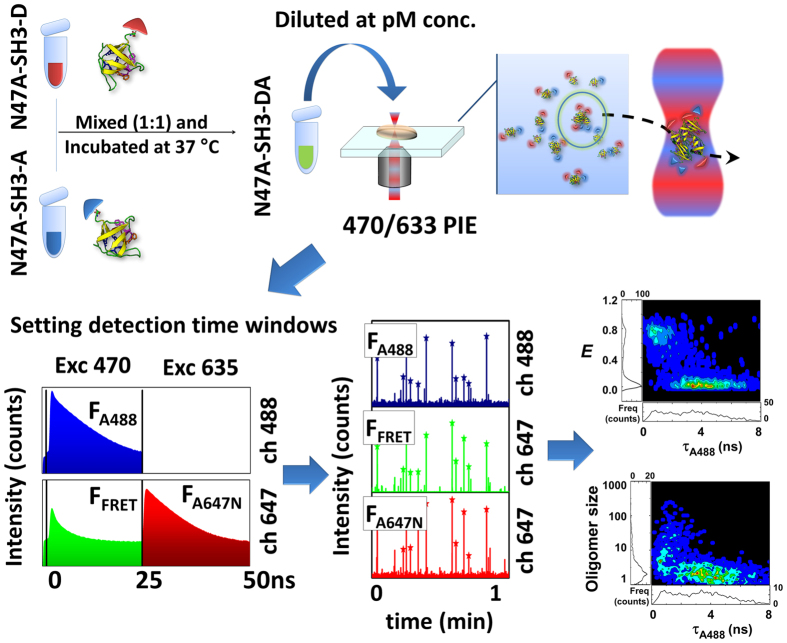
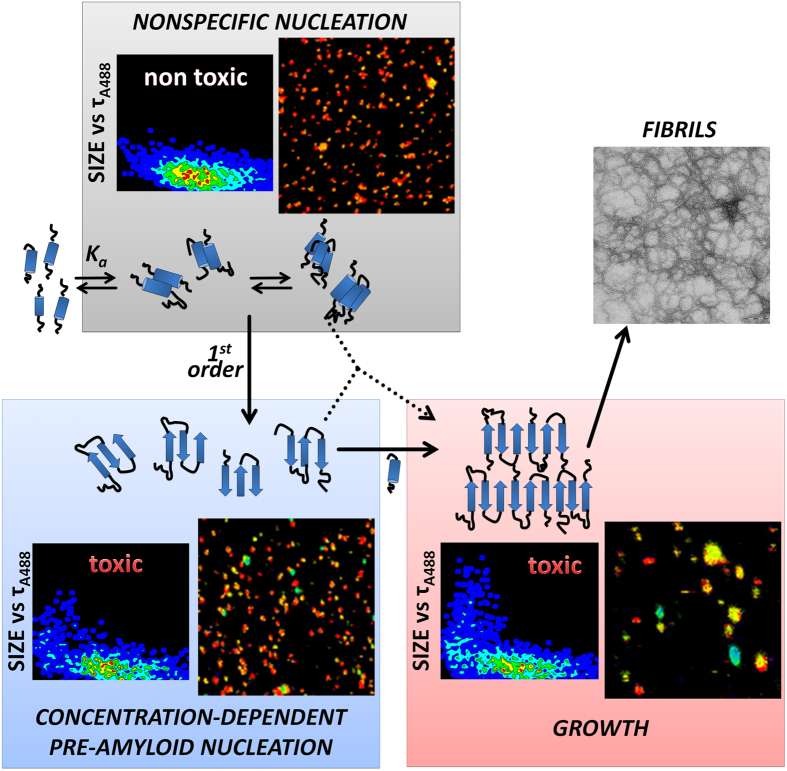
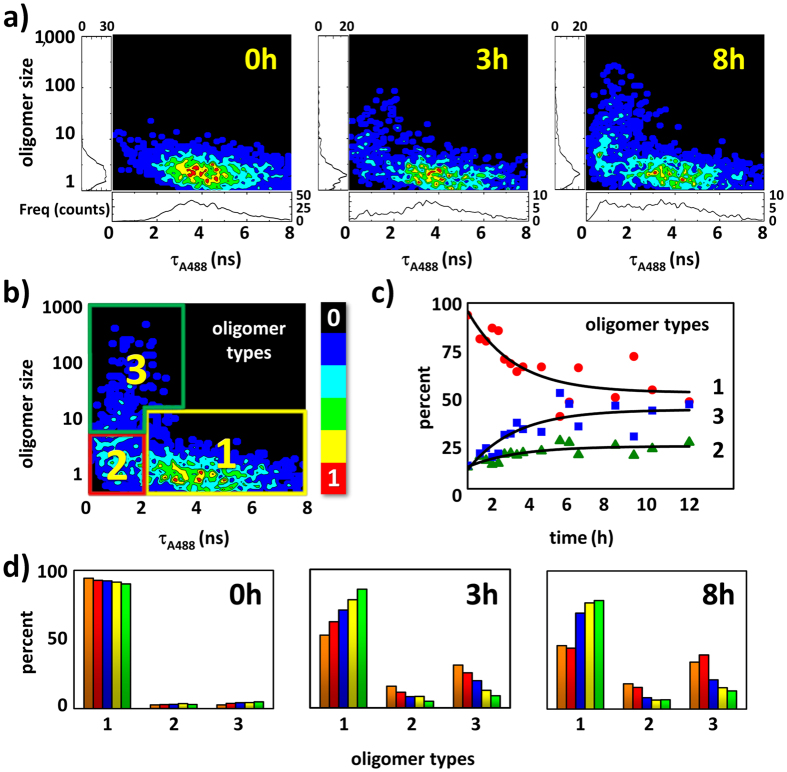
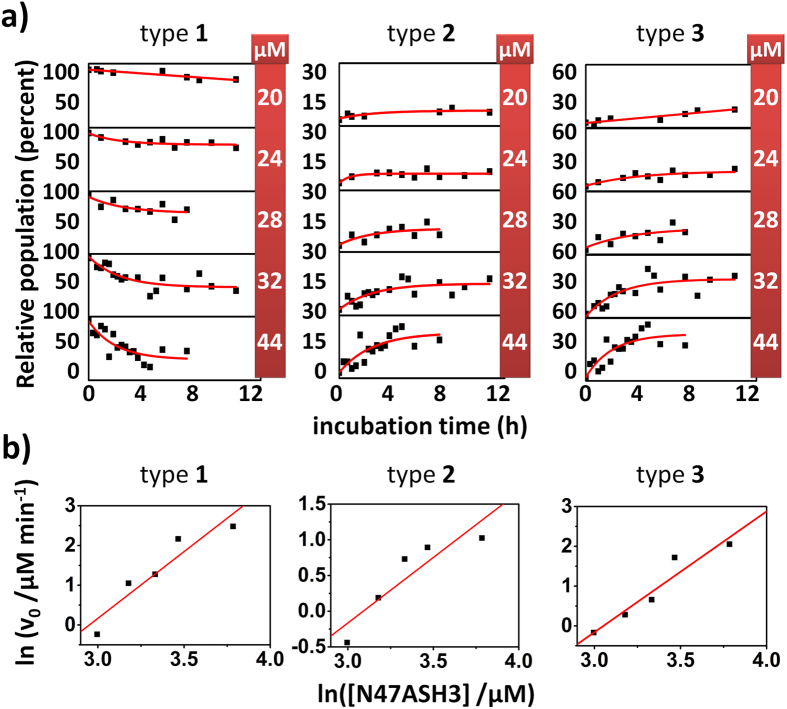
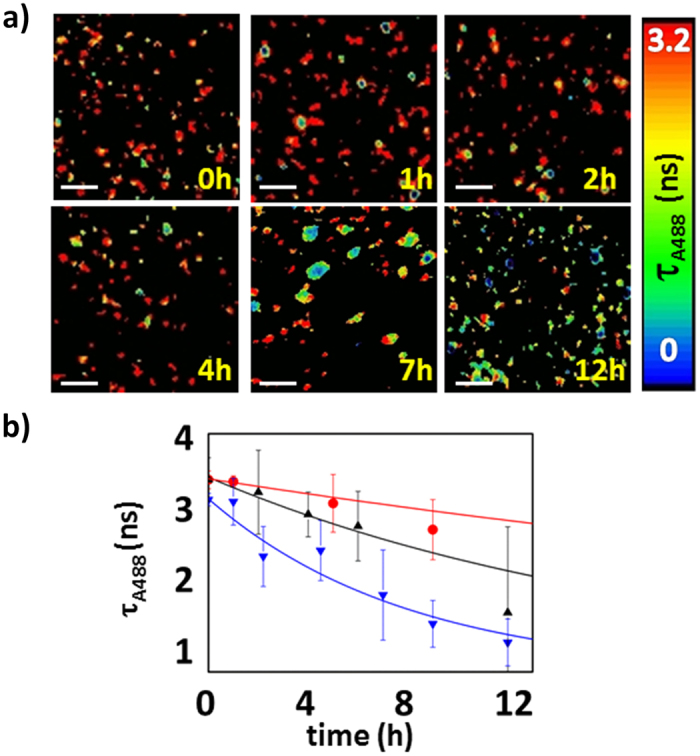
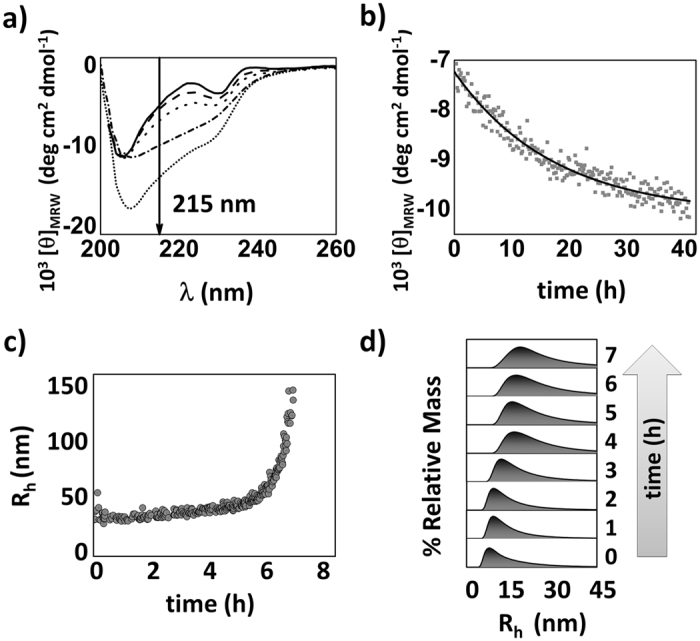
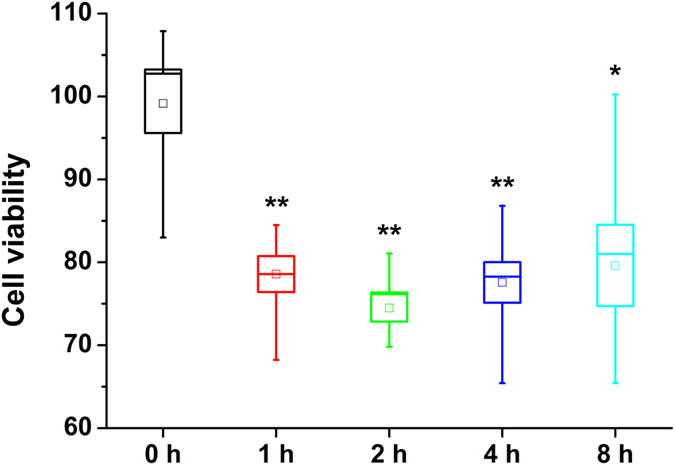
The self-assembly of proteins into fibrillar structures called amyloid fibrils underlies the onset and symptoms of neurodegenerative diseases, such as Alzheimer's and Parkinson's. However, the molecular basis and mechanism of amyloid aggregation are not completely understood. For many amyloidogenic proteins, certain oligomeric intermediates that form in the early aggregation phase appear to be the principal cause of cellular toxicity. Recent computational studies have suggested the importance of nonspecific interactions for the initiation of the oligomerization process prior to the structural conversion steps and template seeding, particularly at low protein concentrations. Here, using advanced single-molecule fluorescence spectroscopy and imaging of a model SH3 domain, we obtained direct evidence that nonspecific aggregates are required in a two-step nucleation mechanism of amyloid aggregation. We identified three different oligomeric types according to their sizes and compactness and performed a full mechanistic study that revealed a mandatory rate-limiting conformational conversion step. We also identified the most cytotoxic species, which may be possible targets for inhibiting and preventing amyloid aggregation.
蛋白质自组装成称为淀粉样纤维的纤维状结构是神经退行性疾病(如阿尔茨海默病和帕金森病)发病和症状的基础。然而,淀粉样蛋白聚集的分子基础和机制尚不完全清楚。对于许多淀粉样蛋白原性蛋白质,在早期聚集阶段形成的某些低聚物中间体似乎是细胞毒性的主要原因。最近的计算研究表明,在结构转换步骤和模板接种之前,非特异性相互作用对于寡聚化过程的启动非常重要,尤其是在低蛋白浓度下。在这里,我们使用先进的单分子荧光光谱和模型 SH3 结构域的成像,获得了直接证据,证明在淀粉样蛋白聚集的两步成核机制中需要非特异性聚集体。我们根据大小和紧凑性将三种不同的寡聚体类型进行了分类,并进行了全面的机制研究,揭示了一个强制性的限速构象转换步骤。我们还确定了最具细胞毒性的物种,它们可能是抑制和预防淀粉样蛋白聚集的可能靶标。