Sergaki Maria Christina, Ibáñez Carlos F
Department of Neuroscience, Karolinska Institute, Stockholm 17177, Sweden.
Department of Neuroscience, Karolinska Institute, Stockholm 17177, Sweden; Department of Physiology, National University of Singapore, Singapore 117597, Singapore; Life Sciences Institute, National University of Singapore, Singapore 117456, Singapore.
Cell Rep. 2017 Jan 10;18(2):367-379. doi: 10.1016/j.celrep.2016.12.039.
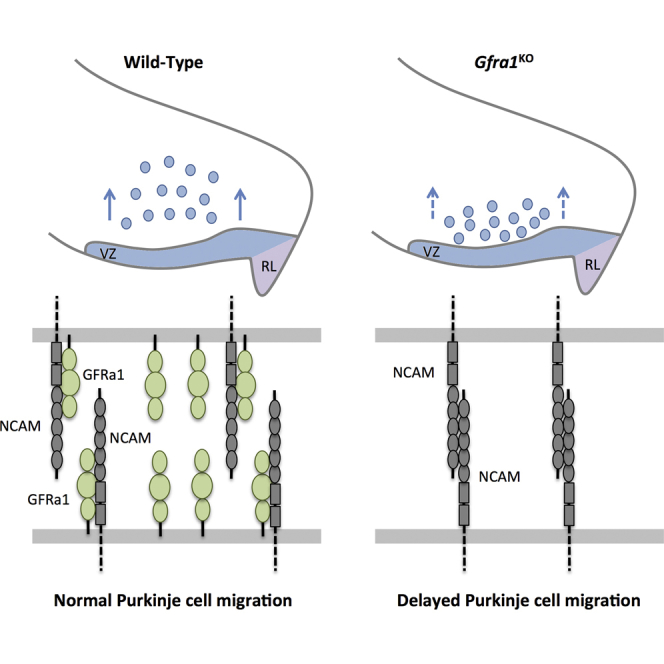
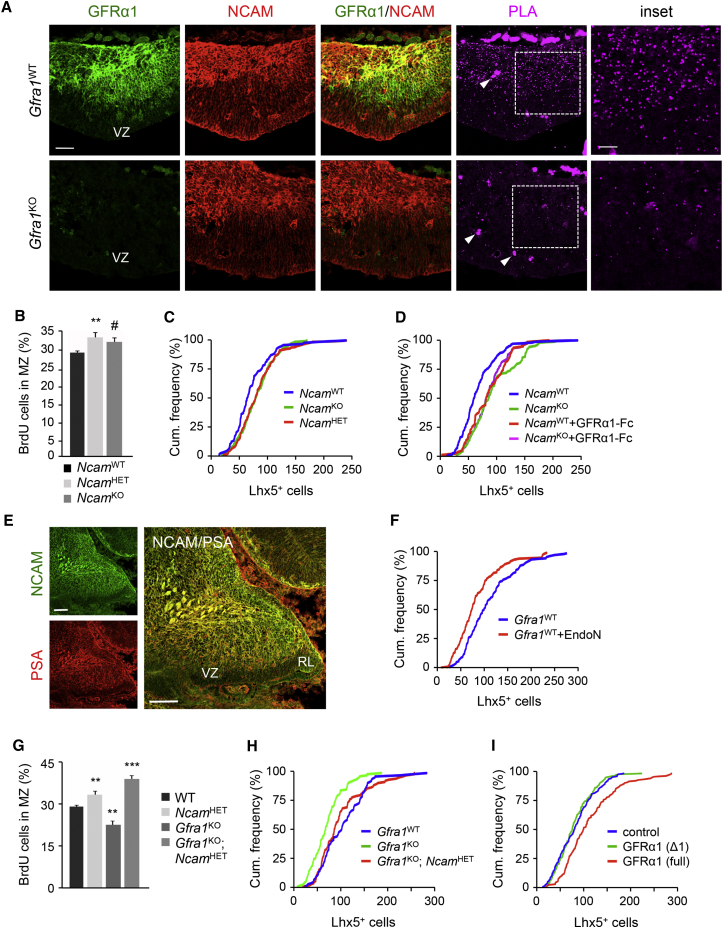
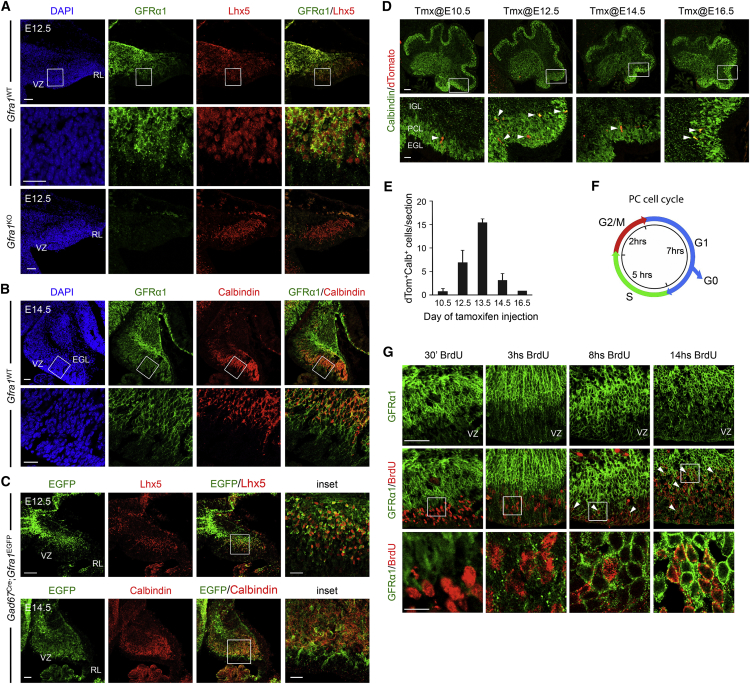
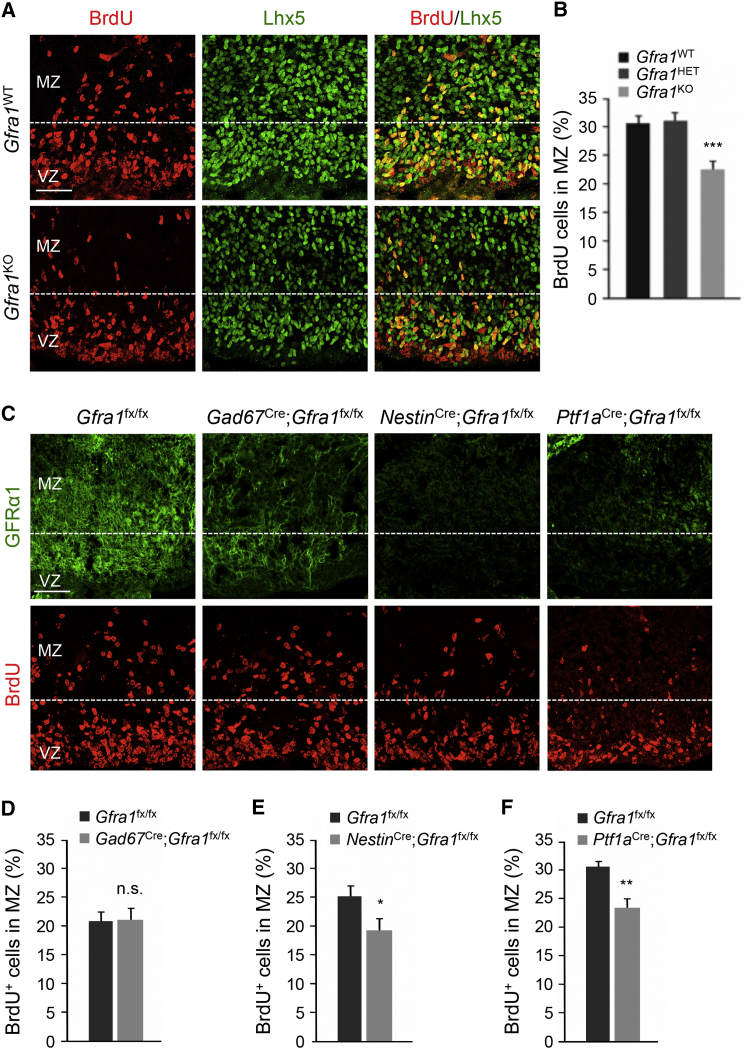
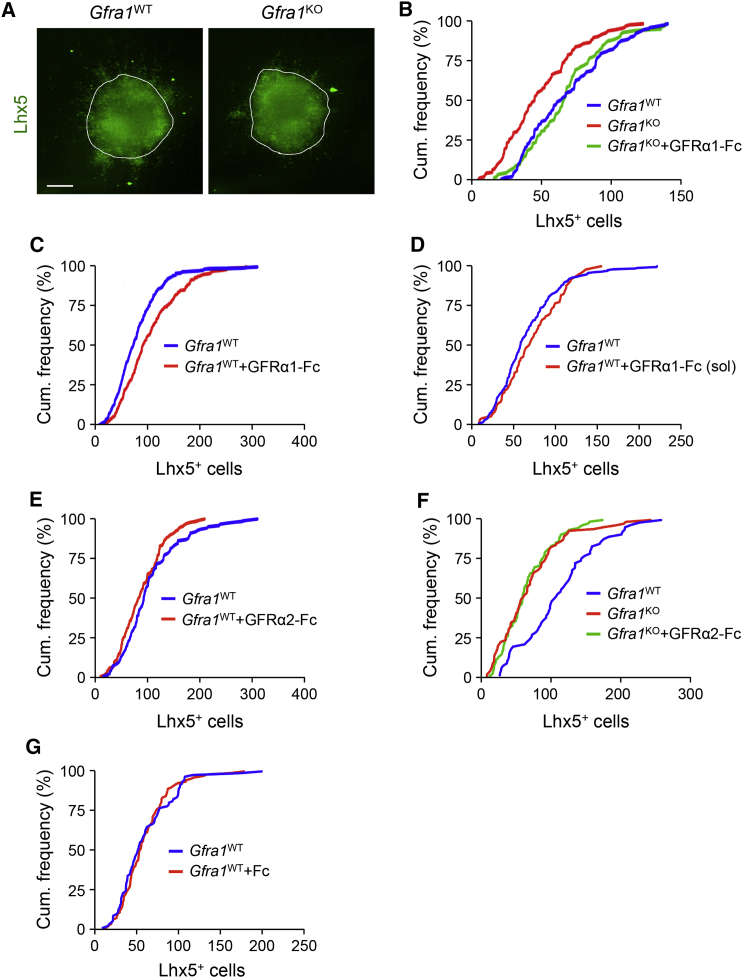
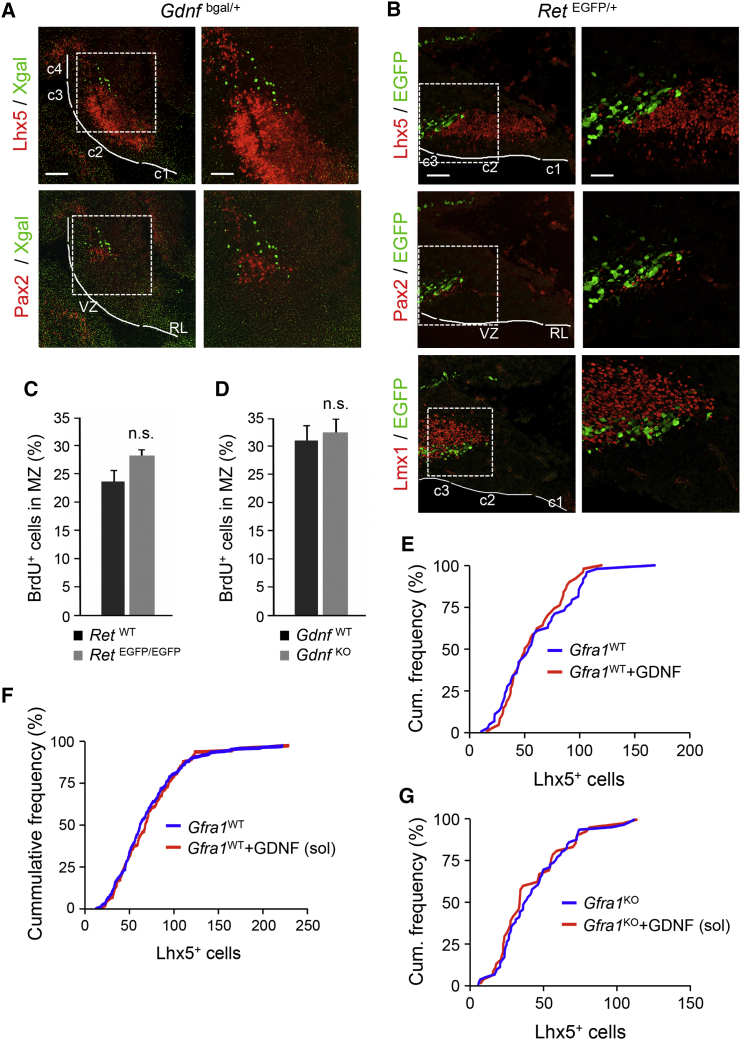
During embryonic development of the cerebellum, Purkinje cells (PCs) migrate away from the ventricular zone to form the PC plate. The mechanisms that regulate PC migration are incompletely understood. Here, we report that the neurotrophic receptor GFRα1 is transiently expressed in developing PCs and loss of GFRα1 delays PC migration. Neither GDNF nor RET, the canonical GFRα1 ligand and co-receptor, respectively, contribute to this process. Instead, we found that the neural cell adhesion molecule NCAM is co-expressed and directly interacts with GFRα1 in embryonic PCs. Genetic reduction of NCAM expression enhances wild-type PC migration and restores migration in Gfra1 mutants, indicating that NCAM restricts PC migration in the embryonic cerebellum. In vitro experiments indicated that GFRα1 can function both in cis and trans to counteract NCAM and promote PC migration. Collectively, our studies show that GFRα1 contributes to PC migration by limiting NCAM function.
在小脑的胚胎发育过程中,浦肯野细胞(PCs)从脑室区迁移出去,形成浦肯野细胞板。调节PC迁移的机制尚未完全了解。在此,我们报告神经营养受体GFRα1在发育中的PCs中短暂表达,GFRα1的缺失会延迟PC迁移。经典的GFRα1配体GDNF和共受体RET均不参与此过程。相反,我们发现神经细胞黏附分子NCAM在胚胎PCs中与GFRα1共表达并直接相互作用。NCAM表达的基因减少增强了野生型PC迁移,并恢复了Gfra1突变体中的迁移,表明NCAM在胚胎小脑中限制PC迁移。体外实验表明,GFRα1可以顺式和反式发挥作用,以对抗NCAM并促进PC迁移。总体而言,我们的研究表明,GFRα1通过限制NCAM功能促进PC迁移。