Peripheral Neuropathy Group, Department of Molecular Genetics, VIB, Institute Born Bunge and University of Antwerp, Antwerpen, Belgium.
Center for Human Genetics, Center for the Biology of Disease, VIB and KU Leuven, Leuven, Belgium.
Acta Neuropathol Commun. 2017 Jan 11;5(1):5. doi: 10.1186/s40478-016-0407-3.
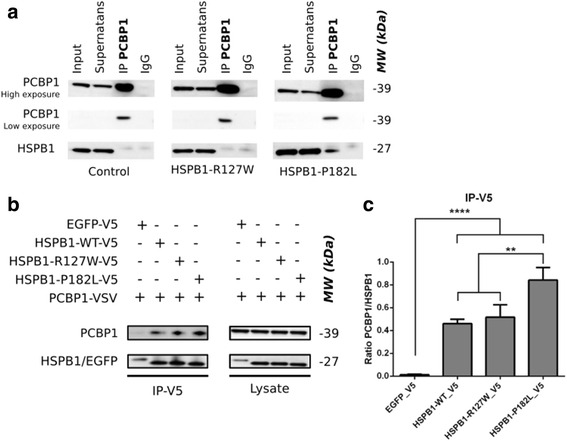
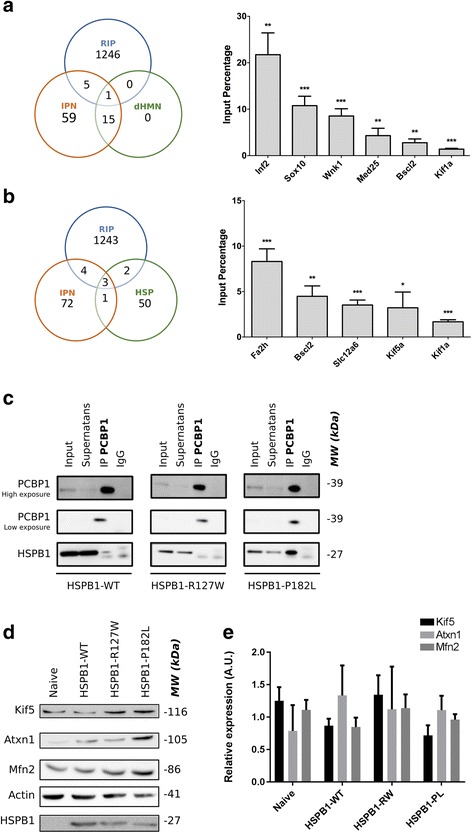
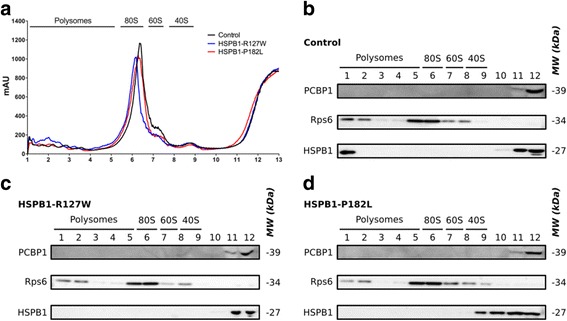
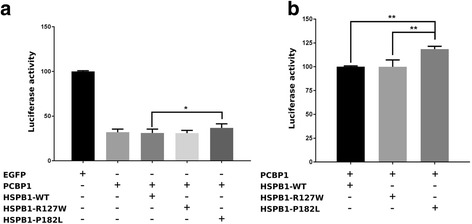
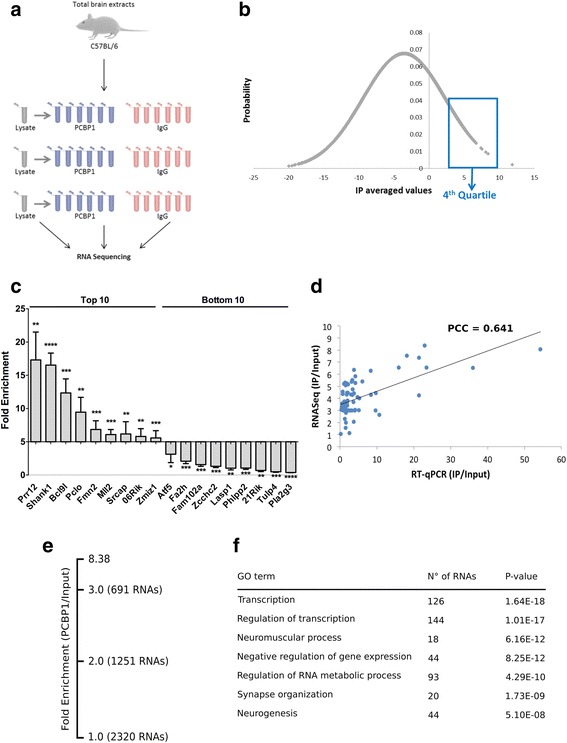
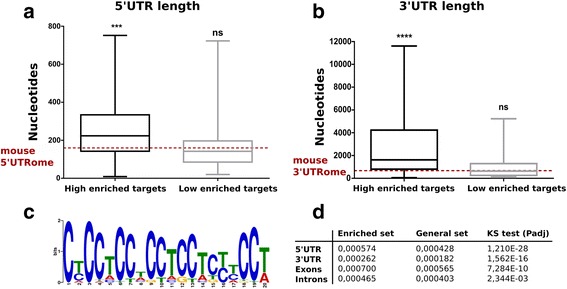
The small heat shock protein HSPB1 (Hsp27) is an ubiquitously expressed molecular chaperone able to regulate various cellular functions like actin dynamics, oxidative stress regulation and anti-apoptosis. So far disease causing mutations in HSPB1 have been associated with neurodegenerative diseases such as distal hereditary motor neuropathy, Charcot-Marie-Tooth disease and amyotrophic lateral sclerosis. Most mutations in HSPB1 target its highly conserved α-crystallin domain, while other mutations affect the C- or N-terminal regions or its promotor. Mutations inside the α-crystallin domain have been shown to enhance the chaperone activity of HSPB1 and increase the binding to client proteins. However, the HSPB1-P182L mutation, located outside and downstream of the α-crystallin domain, behaves differently. This specific HSPB1 mutation results in a severe neuropathy phenotype affecting exclusively the motor neurons of the peripheral nervous system. We identified that the HSPB1-P182L mutant protein has a specifically increased interaction with the RNA binding protein poly(C)binding protein 1 (PCBP1) and results in a reduction of its translational repressive activity. RNA immunoprecipitation followed by RNA sequencing on mouse brain lead to the identification of PCBP1 mRNA targets. These targets contain larger 3'- and 5'-UTRs than average and are enriched in an RNA motif consisting of the CTCCTCCTCCTCC consensus sequence. Interestingly, next to the clear presence of neuronal transcripts among the identified PCBP1 targets we identified known genes associated with hereditary peripheral neuropathies and hereditary spastic paraplegias. We therefore conclude that HSPB1 can mediate translational repression through interaction with an RNA binding protein further supporting its role in neurodegenerative disease.
小分子热休克蛋白 HSPB1(Hsp27)是一种普遍表达的分子伴侣,能够调节多种细胞功能,如肌动蛋白动力学、氧化应激调节和抗细胞凋亡。到目前为止,HSPB1 中的致病突变与神经退行性疾病有关,如遗传性远端运动神经病、Charcot-Marie-Tooth 病和肌萎缩侧索硬化症。HSPB1 中的大多数突变靶向其高度保守的α-晶体蛋白结构域,而其他突变影响 C 或 N 末端区域或其启动子。α-晶体蛋白结构域内的突变已被证明可以增强 HSPB1 的伴侣活性并增加与客户蛋白的结合。然而,位于α-晶体蛋白结构域外且下游的 HSPB1-P182L 突变表现不同。这种特定的 HSPB1 突变导致严重的神经病表型,仅影响周围神经系统的运动神经元。我们发现 HSPB1-P182L 突变蛋白与 RNA 结合蛋白多聚(C)结合蛋白 1(PCBP1)的特异性相互作用增加,并导致其翻译抑制活性降低。对小鼠大脑进行 RNA 免疫沉淀 followed by RNA 测序导致鉴定出 PCBP1 mRNA 靶标。这些靶标比平均水平具有更大的 3'-和 5'-UTR,并且富含由 CTCCTCCTCCTCC 一致序列组成的 RNA 基序。有趣的是,在鉴定出的 PCBP1 靶标中,除了明显存在神经元转录物外,我们还鉴定出与遗传性周围神经病和遗传性痉挛性截瘫相关的已知基因。因此,我们得出结论,HSPB1 可以通过与 RNA 结合蛋白相互作用来介导翻译抑制,进一步支持其在神经退行性疾病中的作用。