Ouisse Laure-Hélène, Gautreau-Rolland Laetitia, Devilder Marie-Claire, Osborn Michael, Moyon Melinda, Visentin Jonathan, Halary Frank, Bruggemann Marianne, Buelow Roland, Anegon Ignacio, Saulquin Xavier
INSERM Center for Research in Transplantation and Immunology (CRTI) U1064; Université de Nantes; Centre Hospitalier Universitaire de Nantes Institut de Transplantation Urologie Néphrologie (ITUN), Nantes, F44000, France.
Transgenesis Rat ImmunoPhenomic Platform Structure Fédérative de Recherche François Bonamy Centre National de Recherche Scientifique UMS3556, Nantes, F44093, France.
BMC Biotechnol. 2017 Jan 9;17(1):3. doi: 10.1186/s12896-016-0322-5.
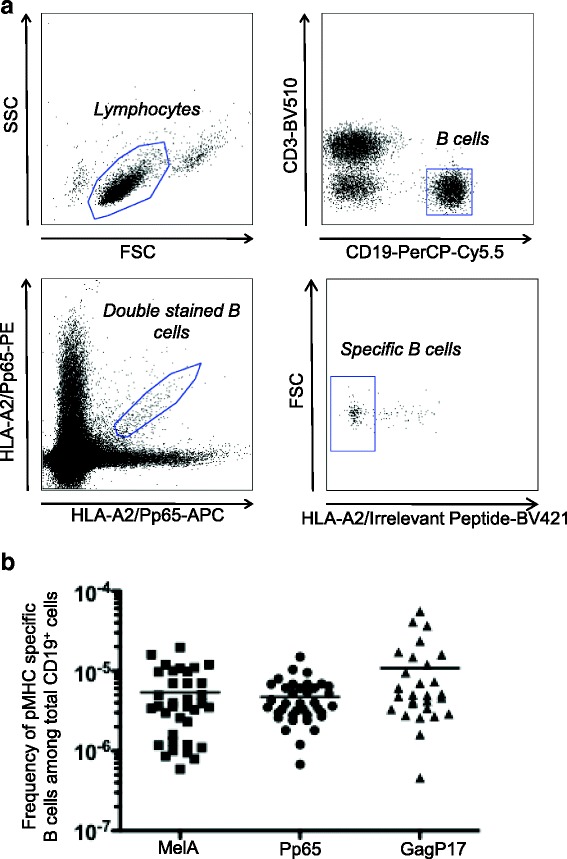
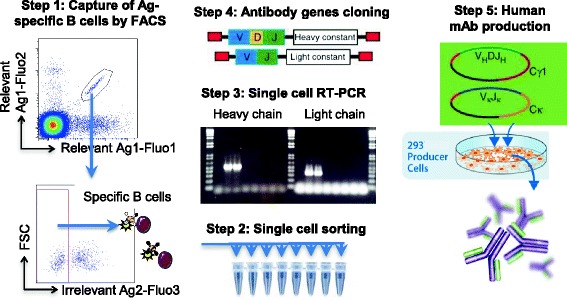
There is an ever-increasing need of monoclonal antibodies (mAbs) for biomedical applications and fully human binders are particularly desirable due to their reduced immunogenicity in patients. We have applied a strategy for the isolation of antigen-specific B cells using tetramerized proteins and single-cell sorting followed by reconstruction of human mAbs by RT-PCR and expression cloning.
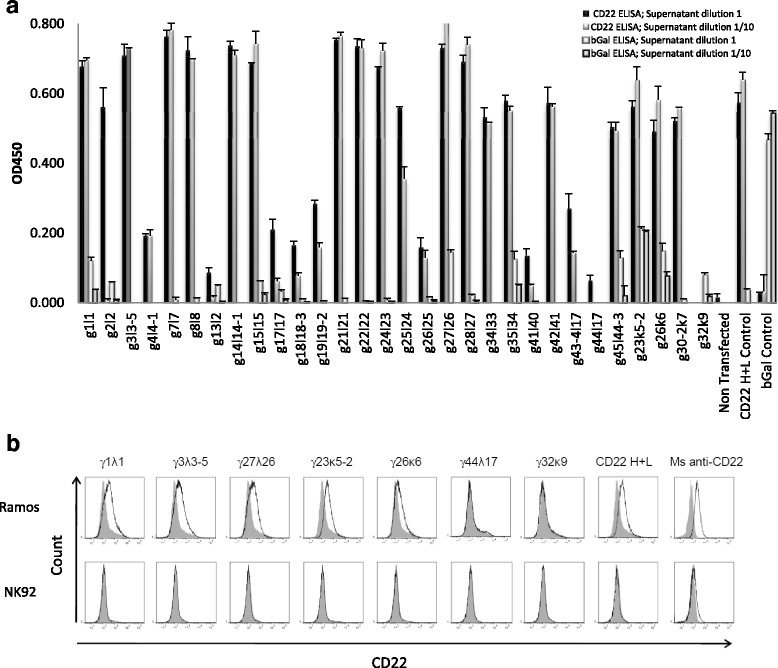
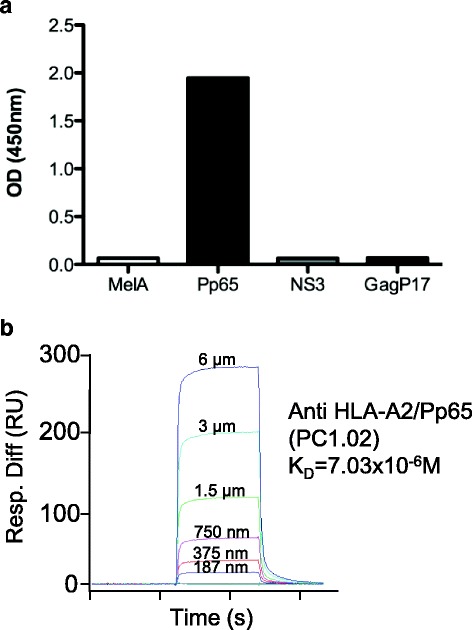
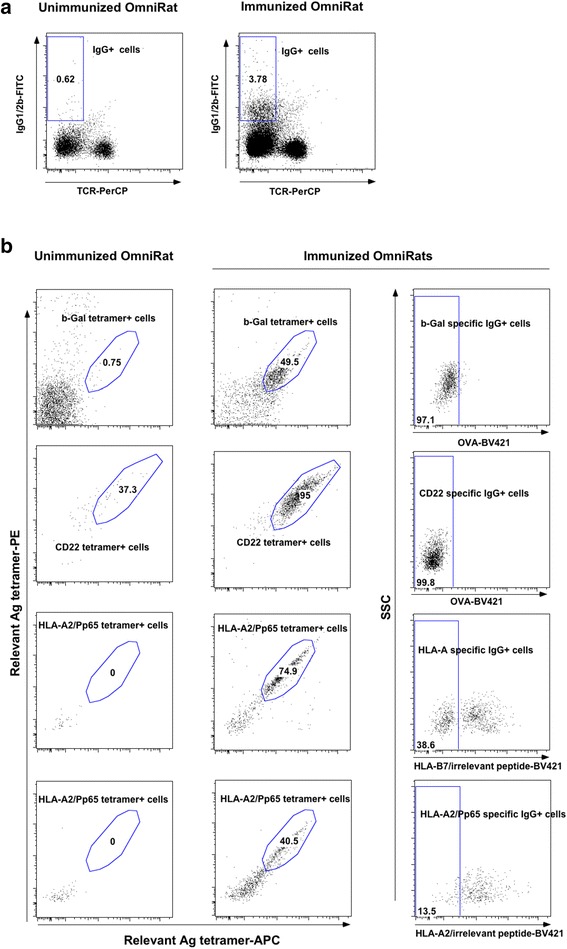
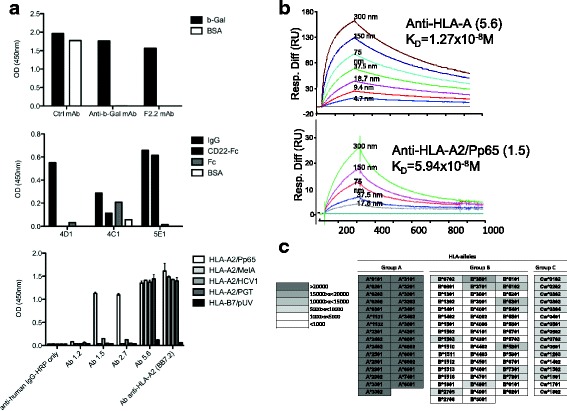
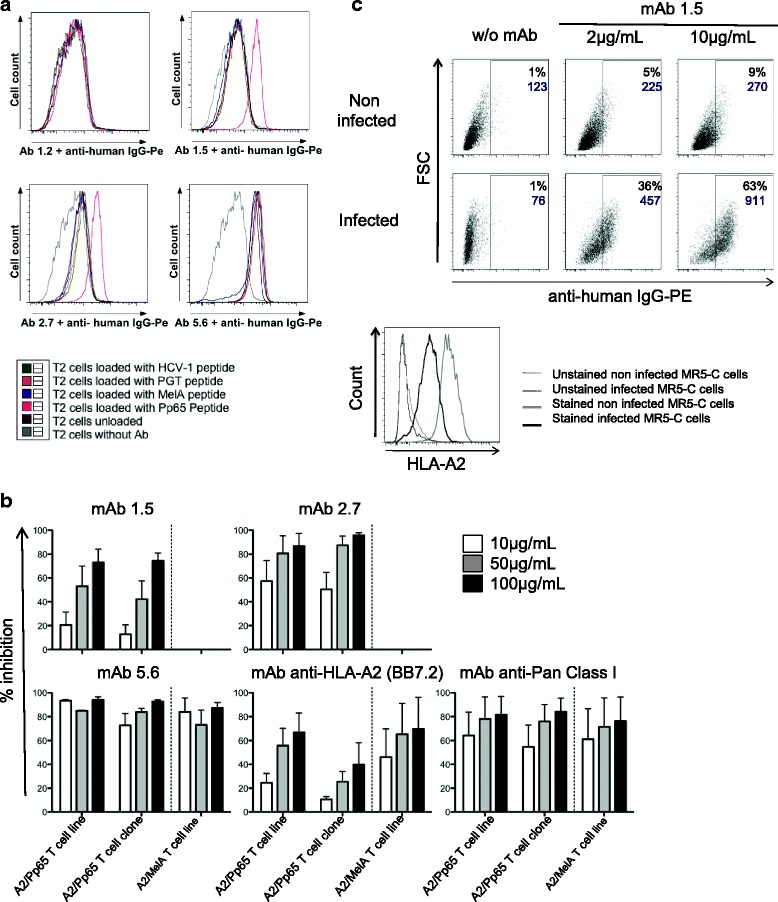
This strategy, using human peripheral blood B cells, enabled the production of low affinity human mAbs against major histocompatibility complex molecules loaded with peptides (pMHC). We then implemented this technology using human immunoglobulin transgenic rats, which after immunization with an antigen of interest express high affinity-matured antibodies with human idiotypes. Using rapid immunization, followed by tetramer-based B-cell sorting and expression cloning, we generated several fully humanized mAbs with strong affinities, which could discriminate between highly homologous proteins (eg. different pMHC complexes).
Therefore, we describe a versatile and more effective approach as compared to hybridoma generation or phage or yeast display technologies for the generation of highly specific and discriminative fully human mAbs that could be useful both for basic research and immunotherapeutic purposes.
生物医学应用对单克隆抗体(mAb)的需求不断增加,由于其在患者体内免疫原性降低,完全人源化的结合物尤为可取。我们应用了一种策略,通过使用四聚体化蛋白和单细胞分选来分离抗原特异性B细胞,随后通过RT-PCR和表达克隆重建人源单克隆抗体。
该策略利用人外周血B细胞,能够产生针对负载肽的主要组织相容性复合体分子(pMHC)的低亲和力人源单克隆抗体。然后,我们使用人免疫球蛋白转基因大鼠实施该技术,在用感兴趣的抗原免疫后,这些大鼠表达具有人独特型的高亲和力成熟抗体。通过快速免疫,随后基于四聚体的B细胞分选和表达克隆,我们产生了几种具有强亲和力的完全人源化单克隆抗体,它们能够区分高度同源的蛋白质(例如不同的pMHC复合物)。
因此,与杂交瘤生成、噬菌体或酵母展示技术相比,我们描述了一种通用且更有效的方法,用于生成高度特异性和有区分能力的完全人源单克隆抗体,这对于基础研究和免疫治疗目的都可能有用。