Jarosz Magdalena, Olbert Magdalena, Wyszogrodzka Gabriela, Młyniec Katarzyna, Librowski Tadeusz
Department of Radioligands, Jagiellonian University Medical College, Medyczna 9, 30-688, Krakow, Poland.
Department of Pharmaceutical Technology and Biopharmaceutics, Jagiellonian University Medical College, Medyczna 9, 30-688, Krakow, Poland.
Inflammopharmacology. 2017 Feb;25(1):11-24. doi: 10.1007/s10787-017-0309-4. Epub 2017 Jan 12.
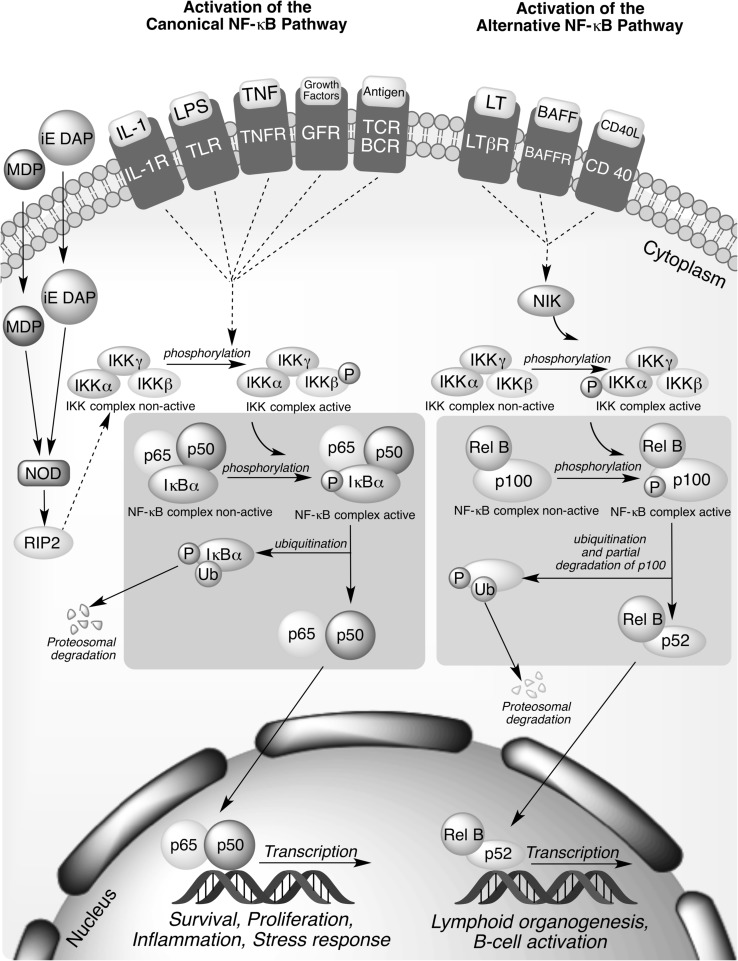
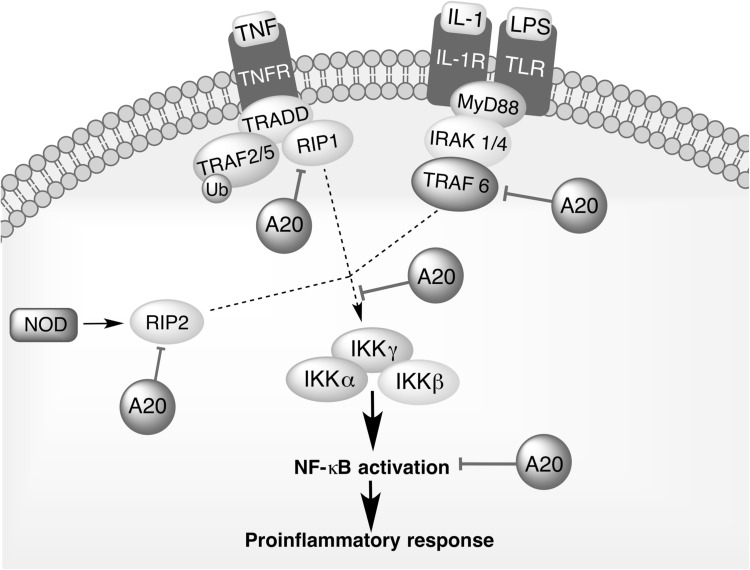
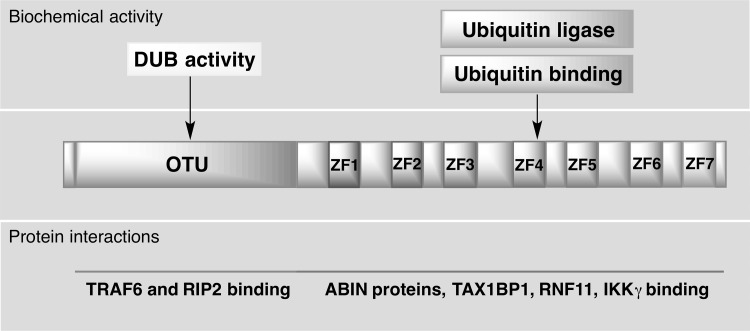
Zinc is a nutritionally fundamental trace element, essential to the structure and function of numerous macromolecules, including enzymes regulating cellular processes and cellular signaling pathways. The mineral modulates immune response and exhibits antioxidant and anti-inflammatory activity. Zinc retards oxidative processes on a long-term basis by inducing the expression of metallothioneins. These metal-binding cysteine-rich proteins are responsible for maintaining zinc-related cell homeostasis and act as potent electrophilic scavengers and cytoprotective agents. Furthermore, zinc increases the activation of antioxidant proteins and enzymes, such as glutathione and catalase. On the other hand, zinc exerts its antioxidant effect via two acute mechanisms, one of which is the stabilization of protein sulfhydryls against oxidation. The second mechanism consists in antagonizing transition metal-catalyzed reactions. Zinc can exchange redox active metals, such as copper and iron, in certain binding sites and attenuate cellular site-specific oxidative injury. Studies have demonstrated that physiological reconstitution of zinc restrains immune activation, whereas zinc deficiency, in the setting of severe infection, provokes a systemic increase in NF-κB activation. In vitro studies have shown that zinc decreases NF-κB activation and its target genes, such as TNF-α and IL-1β, and increases the gene expression of A20 and PPAR-α, the two zinc finger proteins with anti-inflammatory properties. Alternative NF-κB inhibitory mechanism is initiated by the inhibition of cyclic nucleotide phosphodiesterase, whereas another presumed mechanism consists in inhibition of IκB kinase in response to infection by zinc ions that have been imported into cells by ZIP8.
锌是一种营养必需的微量元素,对众多大分子的结构和功能至关重要,这些大分子包括调节细胞过程和细胞信号通路的酶。这种矿物质可调节免疫反应,并具有抗氧化和抗炎活性。锌通过诱导金属硫蛋白的表达长期延缓氧化过程。这些富含半胱氨酸的金属结合蛋白负责维持与锌相关的细胞内稳态,并作为有效的亲电清除剂和细胞保护剂。此外,锌可增强抗氧化蛋白和酶(如谷胱甘肽和过氧化氢酶)的活性。另一方面,锌通过两种急性机制发挥其抗氧化作用,其中一种是稳定蛋白质巯基以防止氧化。第二种机制在于拮抗过渡金属催化的反应。锌可以在某些结合位点交换氧化还原活性金属,如铜和铁,并减轻细胞特定部位的氧化损伤。研究表明,锌的生理补充可抑制免疫激活,而在严重感染的情况下,锌缺乏会引发NF-κB激活的全身性增加。体外研究表明,锌可降低NF-κB的激活及其靶基因(如TNF-α和IL-1β)的表达,并增加具有抗炎特性的两种锌指蛋白A20和PPAR-α的基因表达。另一种NF-κB抑制机制是由环核苷酸磷酸二酯酶的抑制引发的,而另一种推测机制则是锌离子通过ZIP8导入细胞后,锌离子对感染做出反应抑制IκB激酶。