Department of Neurodegenerative Disease, UCL Institute of Neurology and Division of Neuropathology, The National Hospital for Neurology and Neurosurgery, University College London Hospitals NHS Foundation Trust, Queen Square, London, WC1N 3BG, UK.
Acta Neuropathol. 2017 Feb;133(2):197-222. doi: 10.1007/s00401-017-1670-5. Epub 2017 Jan 13.
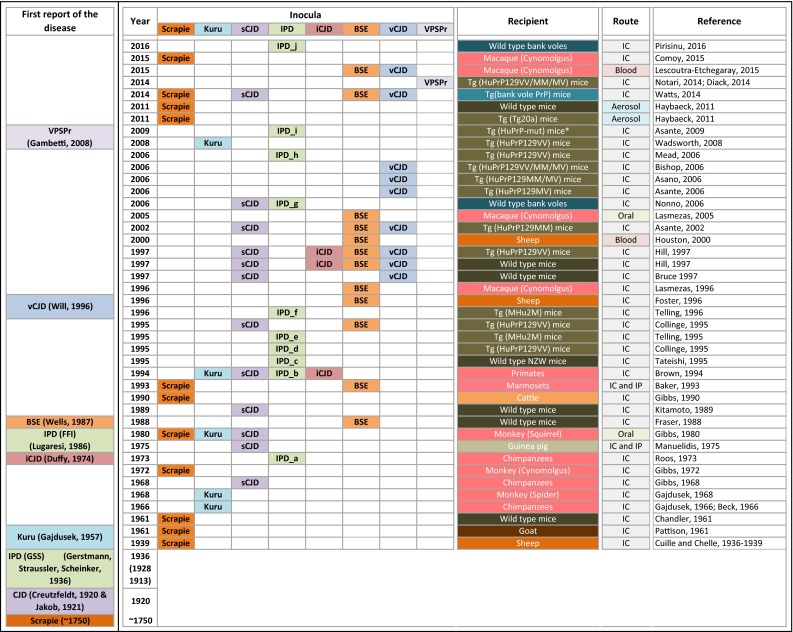
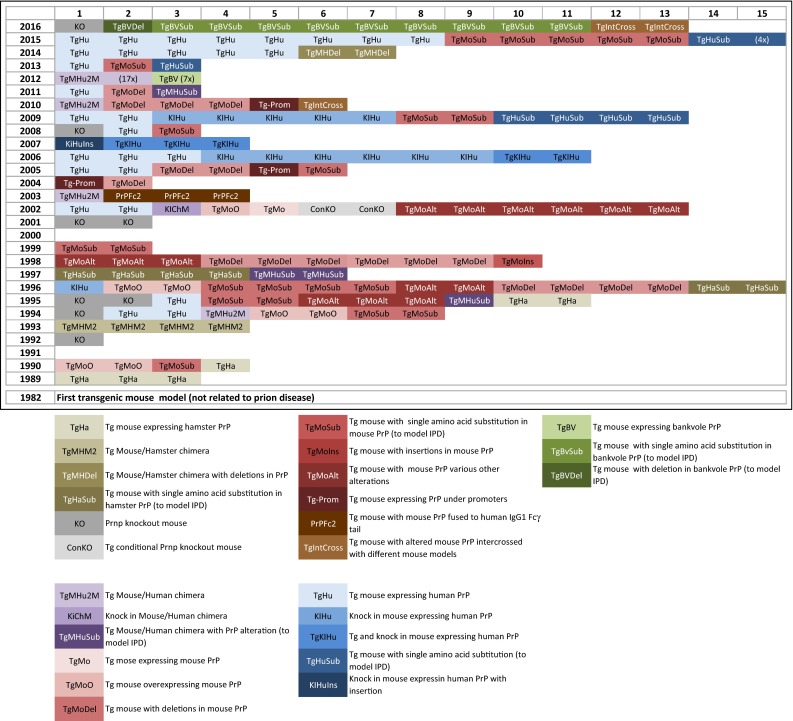
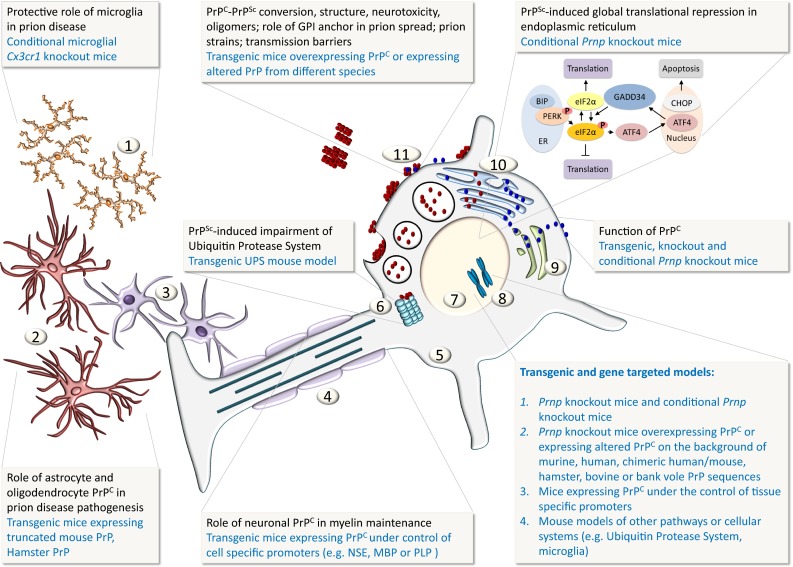
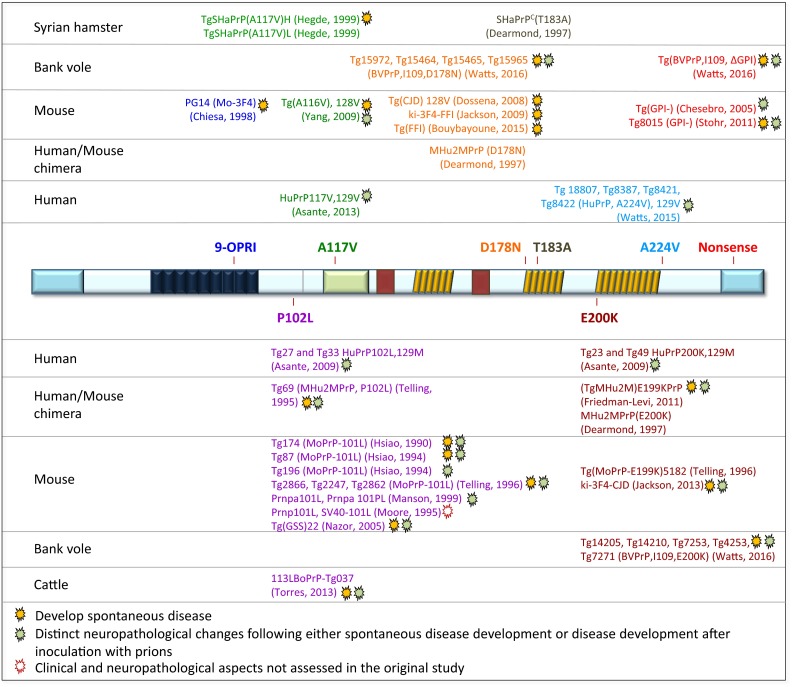
The understanding of the pathogenesis and mechanisms of diseases requires a multidisciplinary approach, involving clinical observation, correlation to pathological processes, and modelling of disease mechanisms. It is an inherent challenge, and arguably impossible to generate model systems that can faithfully recapitulate all aspects of human disease. It is, therefore, important to be aware of the potentials and also the limitations of specific model systems. Model systems are usually designed to recapitulate only specific aspects of the disease, such as a pathological phenotype, a pathomechanism, or to test a hypothesis. Here, we evaluate and discuss model systems that were generated to understand clinical, pathological, genetic, biochemical, and epidemiological aspects of prion diseases. Whilst clinical research and studies on human tissue are an essential component of prion research, much of the understanding of the mechanisms governing transmission, replication, and toxicity comes from in vitro and in vivo studies. As with other neurodegenerative diseases caused by protein misfolding, the pathogenesis of prion disease is complex, full of conundra and contradictions. We will give here a historical overview of the use of models of prion disease, how they have evolved alongside the scientific questions, and how advancements in technologies have pushed the boundaries of our understanding of prion biology.
对疾病发病机制和机理的认识需要采用多学科的方法,包括临床观察、与病理过程的相关性,以及疾病机理的建模。这是一个固有的挑战,可以说,生成能够忠实地再现人类疾病所有方面的模型系统是不可能的。因此,了解特定模型系统的潜力和局限性非常重要。模型系统通常旨在再现疾病的特定方面,例如病理表型、病理机制,或验证假说。在这里,我们评估和讨论了为了解朊病毒病的临床、病理、遗传、生化和流行病学方面而生成的模型系统。虽然临床研究和对人体组织的研究是朊病毒研究的一个重要组成部分,但对控制朊病毒传播、复制和毒性的机制的大部分了解来自体外和体内研究。与其他由蛋白质错误折叠引起的神经退行性疾病一样,朊病毒病的发病机制非常复杂,充满了难题和矛盾。在这里,我们将回顾性地介绍朊病毒病模型的使用情况,以及它们如何随着科学问题的发展而演变,以及技术的进步如何推动我们对朊病毒生物学理解的边界。