Wright Nikita, Xia Jun, Cantuaria Guilherme, Klimov Sergey, Jones Mildred, Neema Pranay, Il'yasova Dora, Krishnamurti Uma, Li Xiaoxian, Reid Michelle D, Gupta Meenakshi, Rida Padmashree C G, Osan Remus, Aneja Ritu
Department of Biology, Georgia State University, Atlanta, Georgia, United States of America.
Department of Mathematics and Statistics, Georgia State University, Atlanta, Georgia, United States of America.
PLoS One. 2017 Jan 13;12(1):e0170095. doi: 10.1371/journal.pone.0170095. eCollection 2017.
Clinical studies have revealed a higher risk of breast tumor recurrence in African-American (AA) patients compared to European-American (EA) patients, contributing to the alarming inequality in clinical outcomes among the ethnic groups. However, distinctions in recurrence patterns upon receiving hormone, radiation, and/or chemotherapy between the races remain poorly characterized.
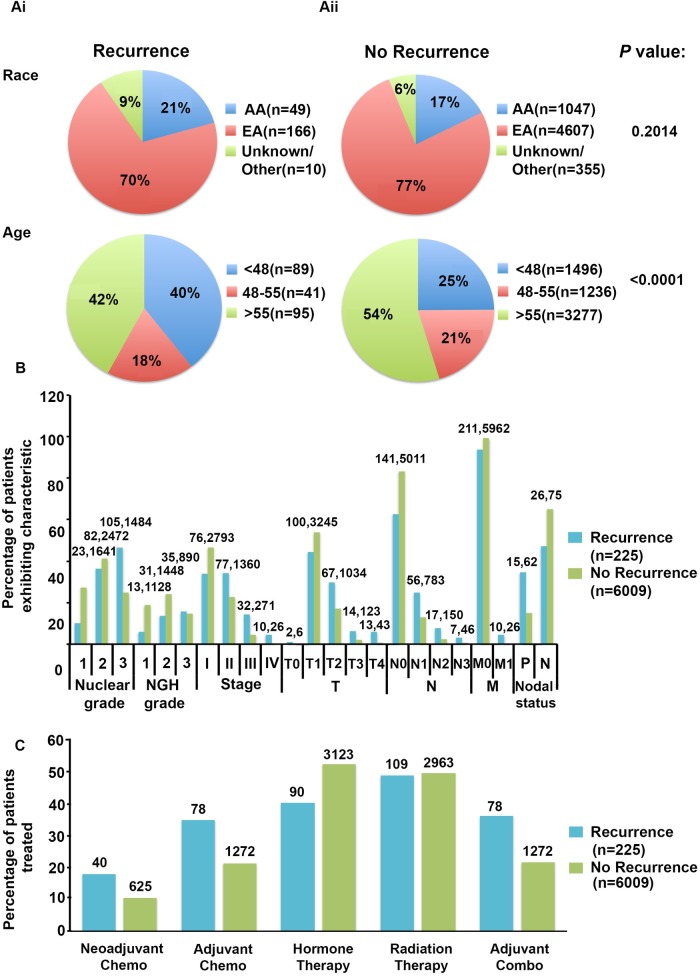
We compared patterns and rates (per 1000 cancer patients per 1 year) of recurrence following each form of treatment between AA (n = 1850) and EA breast cancer patients (n = 7931) from a cohort of patients (n = 10504) treated between 2005-2015 at Northside Hospital in Atlanta, GA.
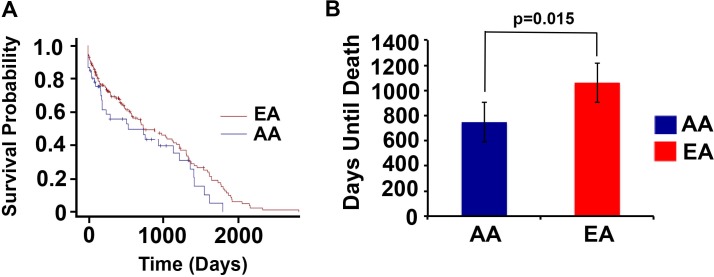
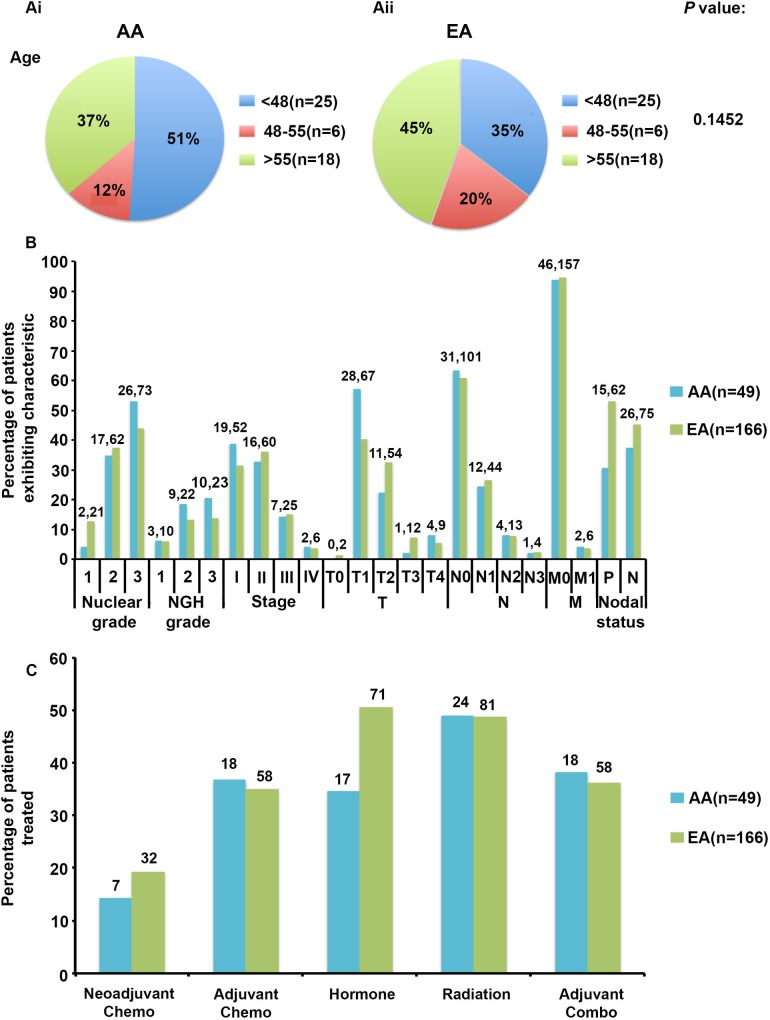
Among patients who received any combination of adjuvant therapy, AA displayed higher overall rates of recurrence than EA (p = 0.015; HR: 1.699; CI: 1.108-2.606). Furthermore, recurrence rates were higher in AA than EA among stage I (p = 0.031; HR: 1.736; CI: 1.052-2.864) and T1 classified patients (p = 0.003; HR: 2.009; CI: 1.263-3.197). Interestingly, among patients who received neoadjuvant chemotherapy, AA displayed higher rates of local recurrence than EA (p = 0.024; HR: 7.134; CI: 1.295-39.313).
Our analysis revealed higher incidence rates of recurrence in AA compared to EA among patients that received any combination of adjuvant therapy. Moreover, our data demonstrates an increased risk of tumor recurrence in AA than EA among patients diagnosed with minimally invasive disease. This is the first clinical study to suggest that neoadjuvant chemotherapy improves breast cancer recurrence rates and patterns in AA.
临床研究表明,与欧美裔(EA)患者相比,非裔美国(AA)患者的乳腺肿瘤复发风险更高,这导致了不同种族在临床结局方面令人担忧的不平等。然而,不同种族在接受激素、放疗和/或化疗后的复发模式差异仍未得到充分描述。
我们比较了2005年至2015年期间在佐治亚州亚特兰大市北区医院接受治疗的一组患者(n = 10504)中,AA(n = 1850)和EA乳腺癌患者(n = 7931)在每种治疗方式后的复发模式和复发率(每1000例癌症患者每年)。
在接受任何辅助治疗组合的患者中,AA的总体复发率高于EA(p = 0.015;HR:1.699;CI:1.108 - 2.606)。此外,在I期(p = 0.031;HR:1.736;CI:1.052 - 2.864)和T1分类患者中,AA的复发率高于EA(p = 0.003;HR:2.009;CI:1.263 - 3.197)。有趣的是,在接受新辅助化疗的患者中,AA的局部复发率高于EA(p = 0.024;HR:7.134;CI:1.295 - 39.313)。
我们的分析显示,在接受任何辅助治疗组合的患者中,AA的复发发生率高于EA。此外,我们的数据表明,在诊断为微侵袭性疾病的患者中,AA的肿瘤复发风险高于EA。这是第一项表明新辅助化疗可改善AA患者乳腺癌复发率和复发模式的临床研究。