Ge Xiaolong, Ding Chao, Zhao Wei, Xu Lizhi, Tian Hongliang, Gong Jianfeng, Zhu Minsheng, Li Jieshou, Li Ning
Department of General Surgery, Jinling Hospital, Medical School of Nanjing University, 305 East Zhongshan Road, 210002, Nanjing, China.
Model Animal Research Center and MOE Key Laboratory of Model Animal for Disease Study, Nanjing University, Nanjing, China.
J Transl Med. 2017 Jan 13;15(1):13. doi: 10.1186/s12967-016-1105-4.
The gastrointestinal motility is affected by gut microbiota and the relationship between them has become a hot topic. However, mechanisms of microbiota in regulating motility have not been well defined. We thus investigated the effect of microbiota depletion by antibiotics on gastrointestinal motility, colonic serotonin levels, and bile acids metabolism.
After 4 weeks with antibiotics treatments, gastrointestinal and colon transit, defecation frequency, water content, and other fecal parameters were measured and analyzed in both wild-type and antibiotics-treated mice, respectively. Contractility of smooth muscle, serotonin levels, and bile acids levels in wild-type and antibiotics-treated mice were also analyzed.
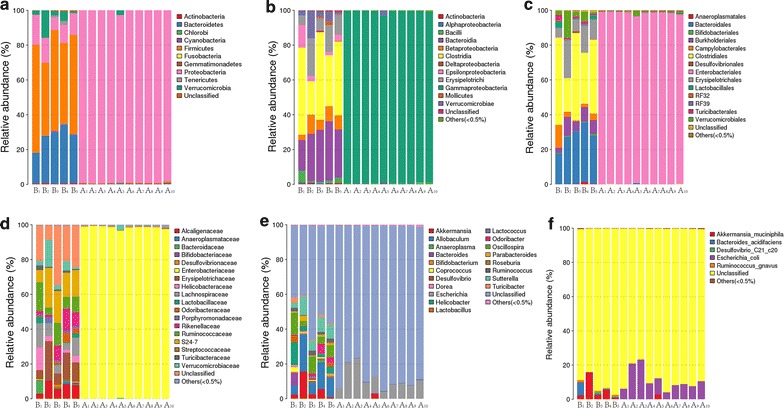
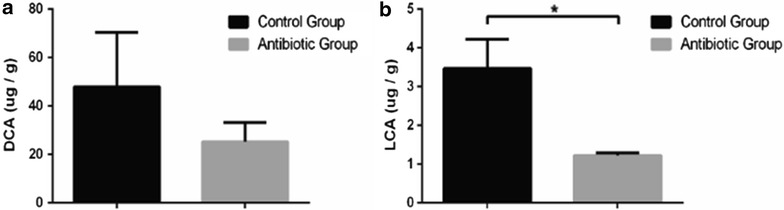
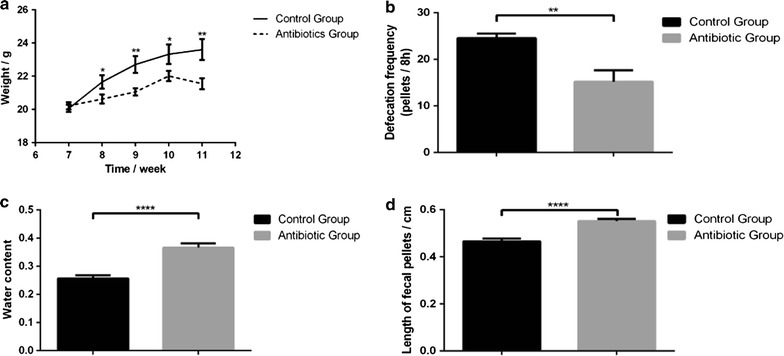
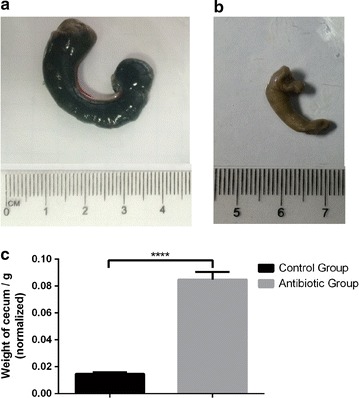
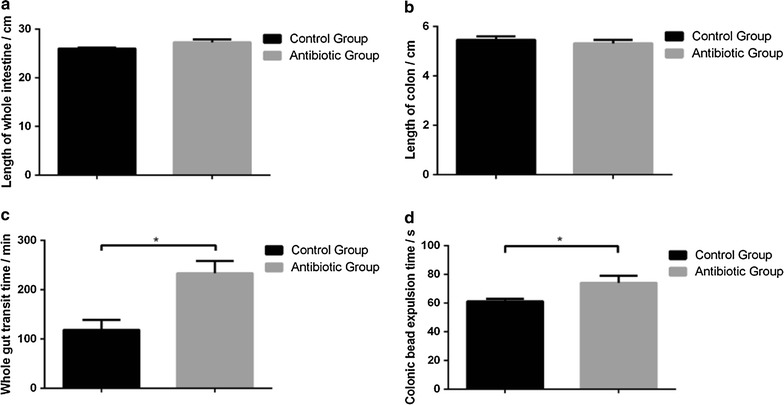
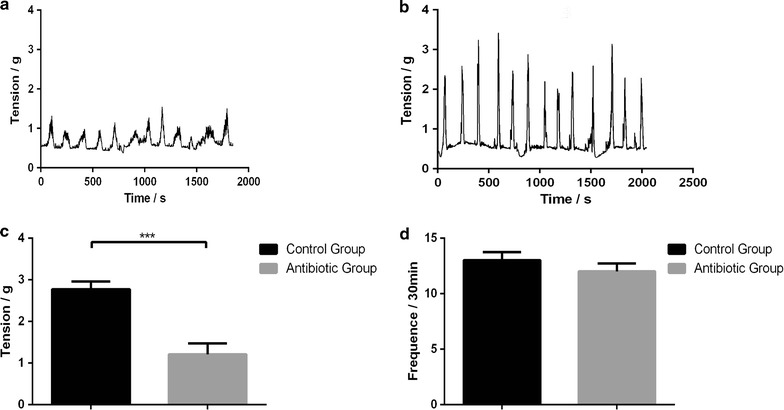
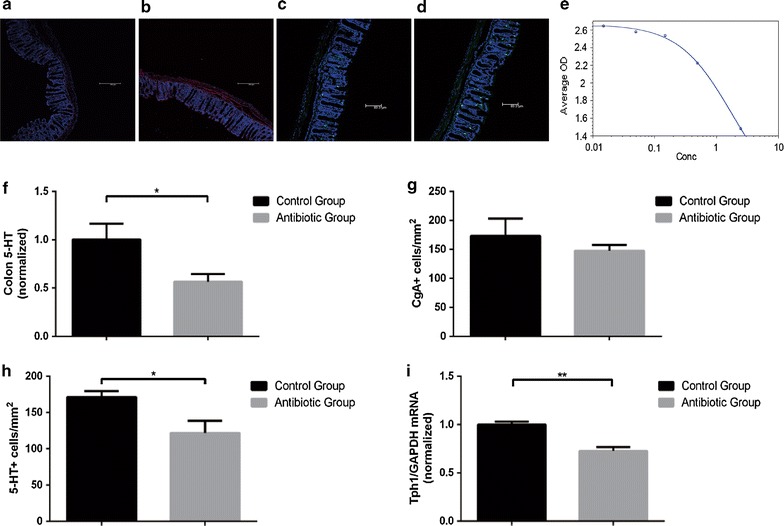
After antibiotics treatment, the richness and diversity of intestinal microbiota decreased significantly, and the fecal of mice had less output (P < 0.01), more water content (P < 0.01), and longer pellet length (P < 0.01). Antibiotics treatment in mice also resulted in delayed gastrointestinal and colonic motility (P < 0.05), and inhibition of phasic contractions of longitudinal muscle from isolated proximal colon (P < 0.01). In antibiotics-treated mice, serotonin, tryptophan hydroxylase 1, and secondary bile acids levels were decreased.
Gut microbiota play an important role in the regulation of intestinal bile acids and serotonin metabolism, which could probably contribute to the association between gut microbiota and gastrointestinal motility as intermediates.
胃肠道蠕动受肠道微生物群影响,二者之间的关系已成为热门话题。然而,微生物群调节蠕动的机制尚未完全明确。因此,我们研究了抗生素清除微生物群对胃肠蠕动、结肠5-羟色胺水平和胆汁酸代谢的影响。
在抗生素治疗4周后,分别测量并分析野生型小鼠和经抗生素治疗的小鼠的胃肠和结肠转运、排便频率、含水量及其他粪便参数。还分析了野生型小鼠和经抗生素治疗的小鼠的平滑肌收缩性、5-羟色胺水平和胆汁酸水平。
抗生素治疗后,肠道微生物群的丰富度和多样性显著降低,小鼠粪便产量减少(P<0.01),含水量增加(P<0.01),粪粒长度增加(P<0.01)。小鼠接受抗生素治疗还导致胃肠和结肠蠕动延迟(P<0.05),并抑制离体近端结肠纵肌的相性收缩(P<0.01)。在经抗生素治疗的小鼠中,5-羟色胺、色氨酸羟化酶1和次级胆汁酸水平降低。
肠道微生物群在调节肠道胆汁酸和5-羟色胺代谢中起重要作用,这可能作为中间介质促成肠道微生物群与胃肠蠕动之间的关联。