Etienne-Mesmin Lucie, Vijay-Kumar Matam, Gewirtz Andrew T, Chassaing Benoit
Center for Inflammation Immunity and Infection, Institute for Biomedical Sciences, Georgia State University, Atlanta, Georgia.
Department of Nutritional Sciences and Medicine, Pennsylvania State University, University Park, Pennsylvania.
Cell Mol Gastroenterol Hepatol. 2016 May 5;2(5):584-604. doi: 10.1016/j.jcmgh.2016.04.007. eCollection 2016 Sep.
BACKGROUND & AIMS: Innate immune dysfunction can promote chronic inflammatory diseases of the liver. For example, mice lacking the flagellin receptor Toll-like receptor 5 (TLR5) show microbial dysbiosis and predisposition to high-fat diet (HFD)-induced hepatic steatosis. The extent to which hepatocytes play a direct role in detecting bacterial products in general, or flagellin in particular, is poorly understood. In the present study, we investigated the role of hepatocyte TLR5 in recognizing flagellin, policing bacteria, and protecting against liver disease.
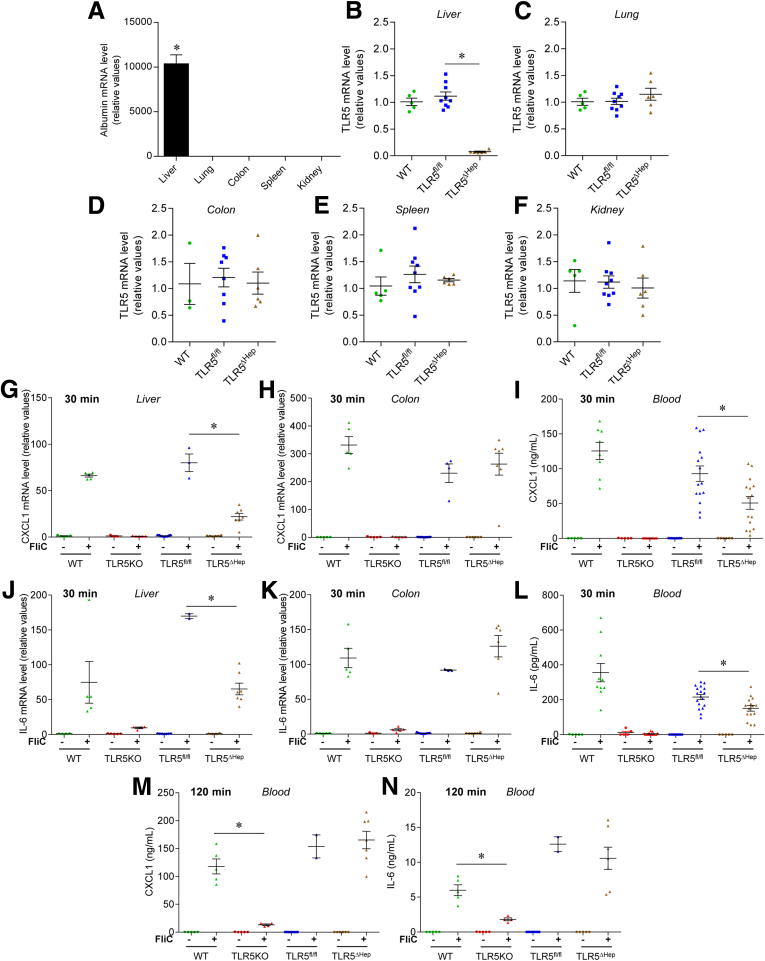
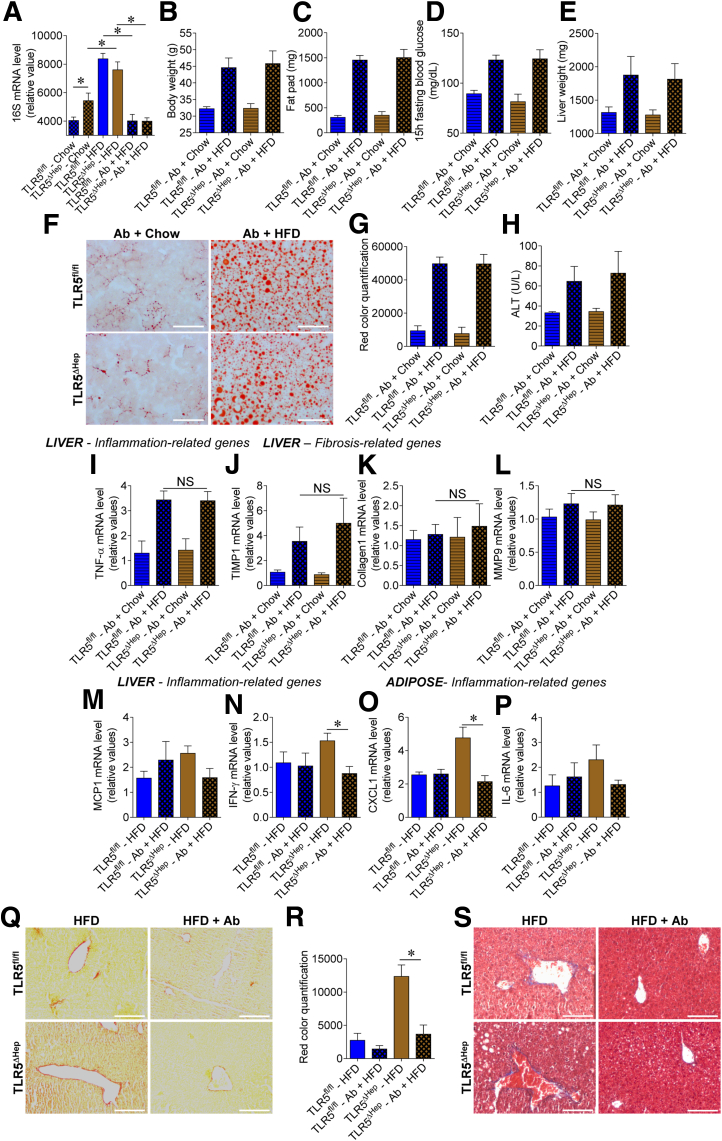
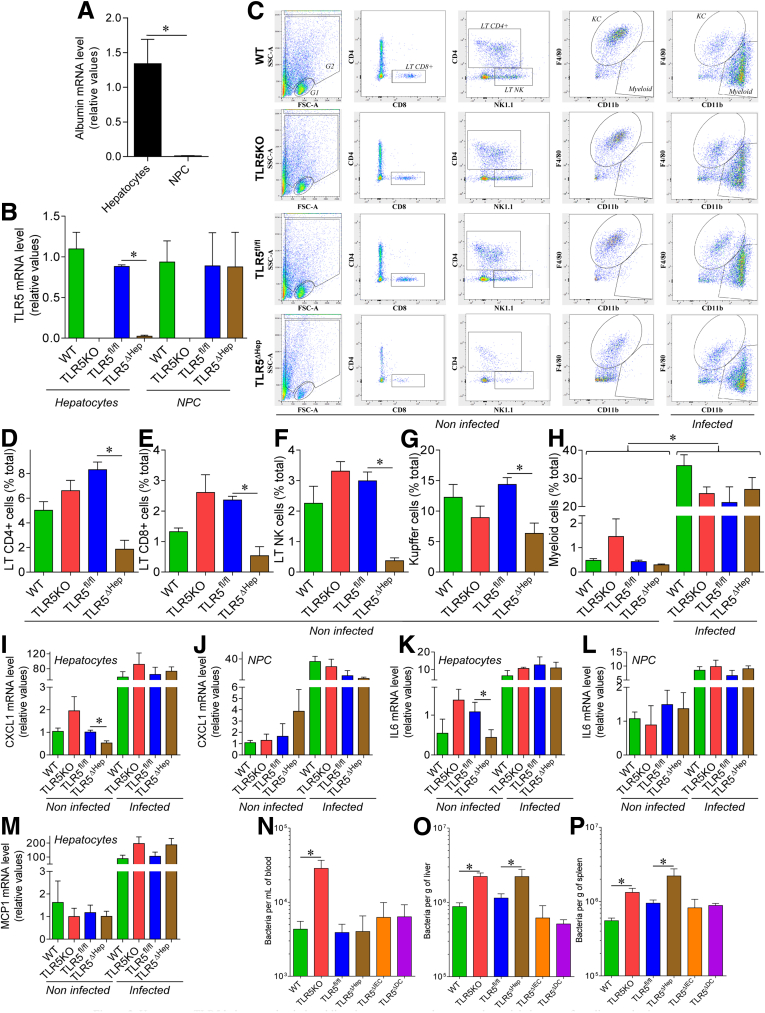
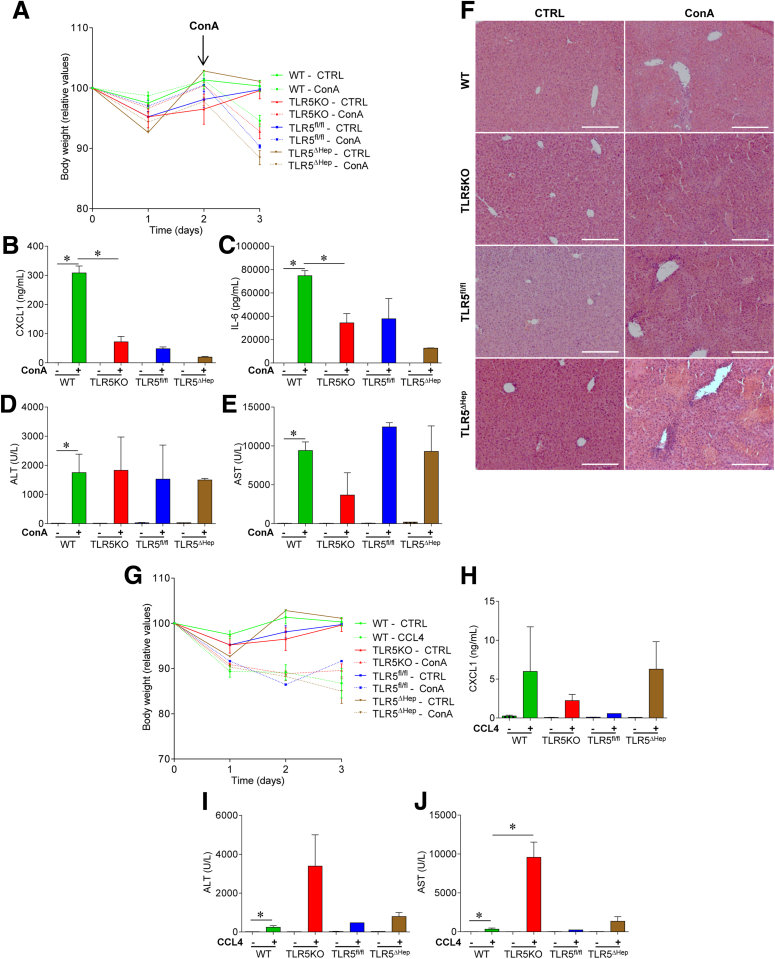
Mice were engineered to lack TLR5 specifically in hepatocytes (TLR5) and analyzed relative to sibling controls (TLR5). TLR5 messenger RNA levels, responses to exogenous flagellin, elimination of circulating motile bacteria, and susceptibility of liver injury (concanavalin A, carbon tetrachloride, methionine- and choline-deficient diet, and HFD) were measured.
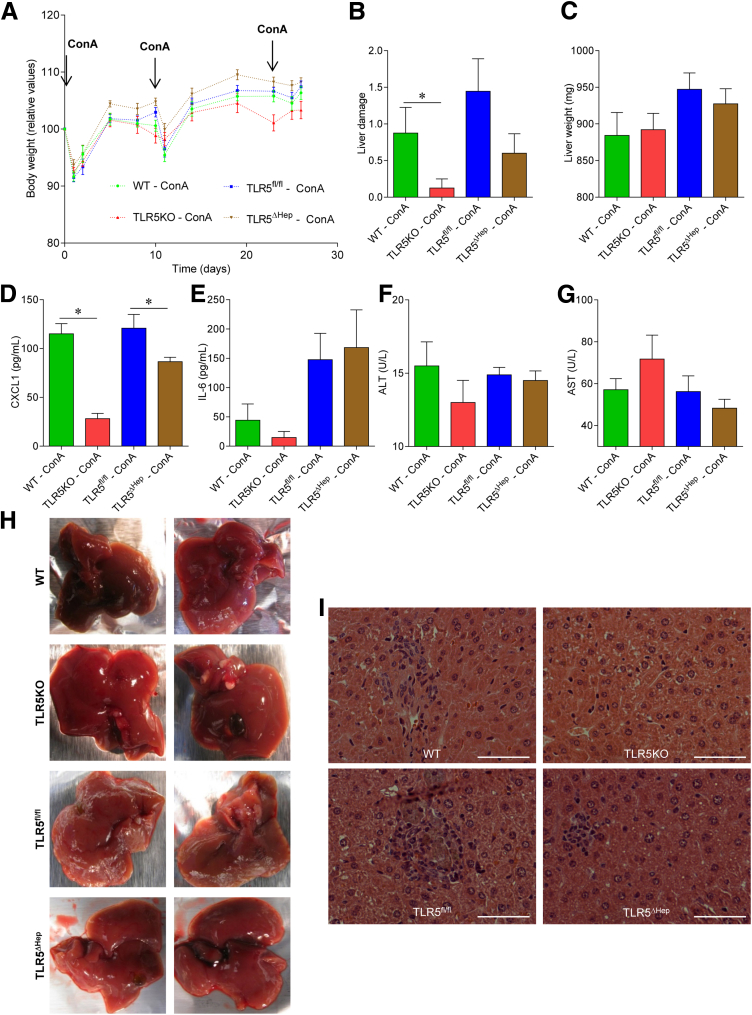
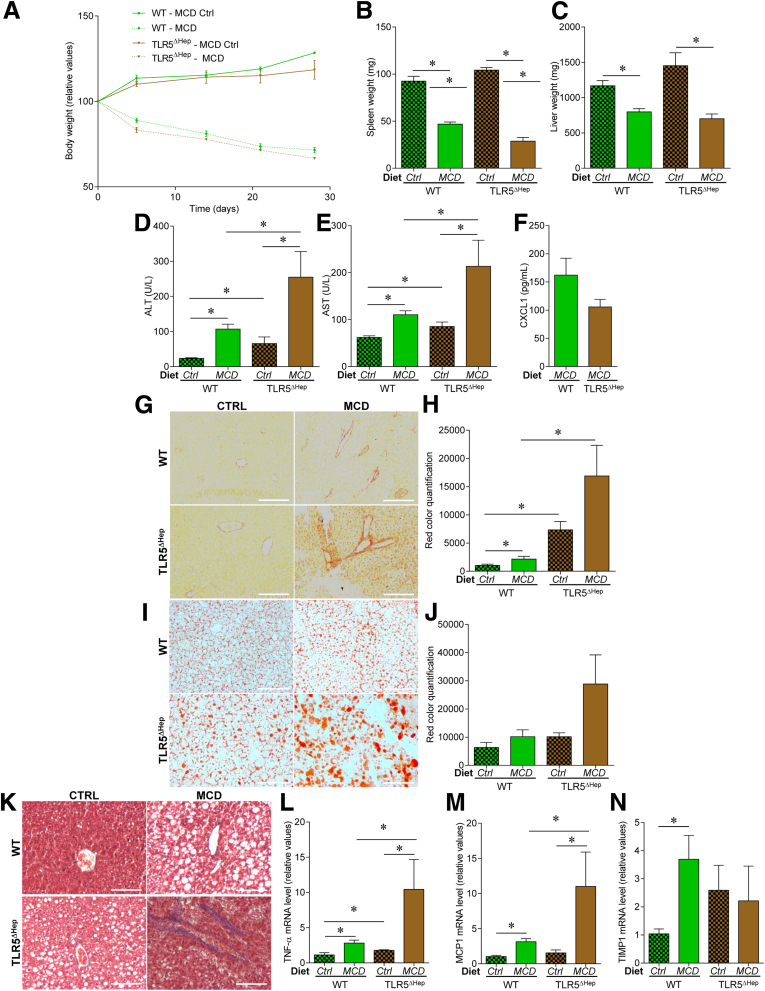
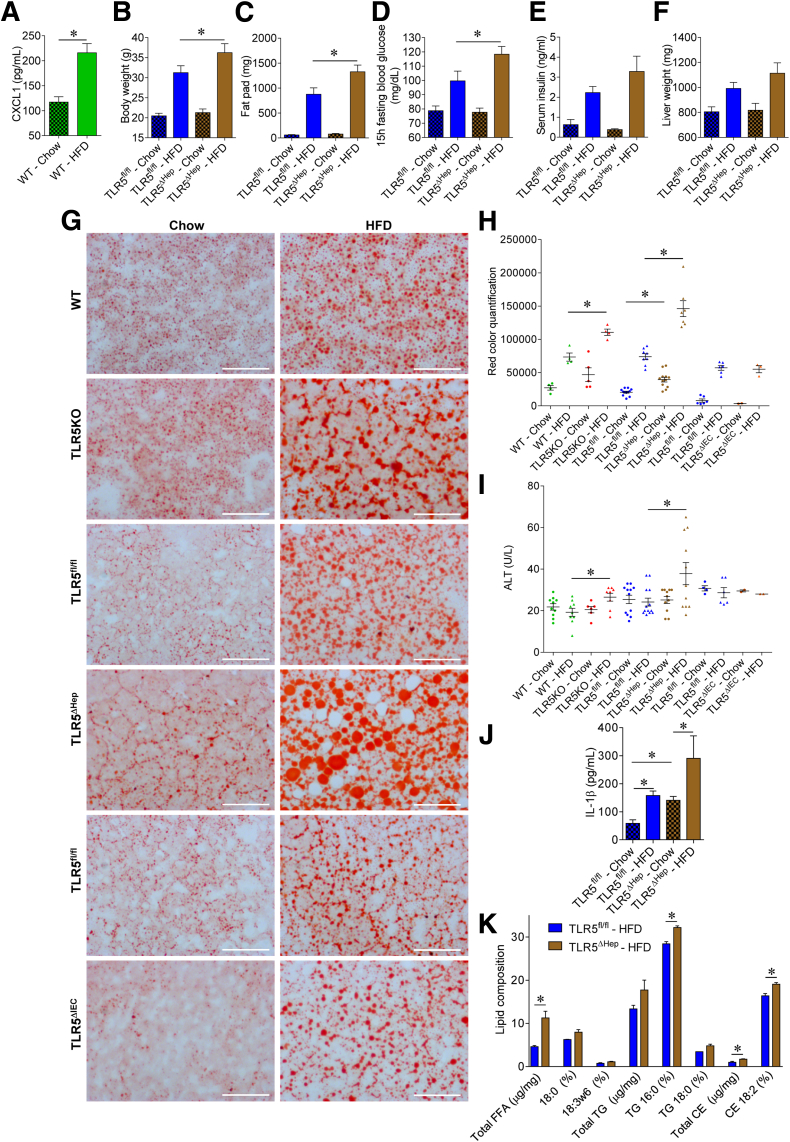
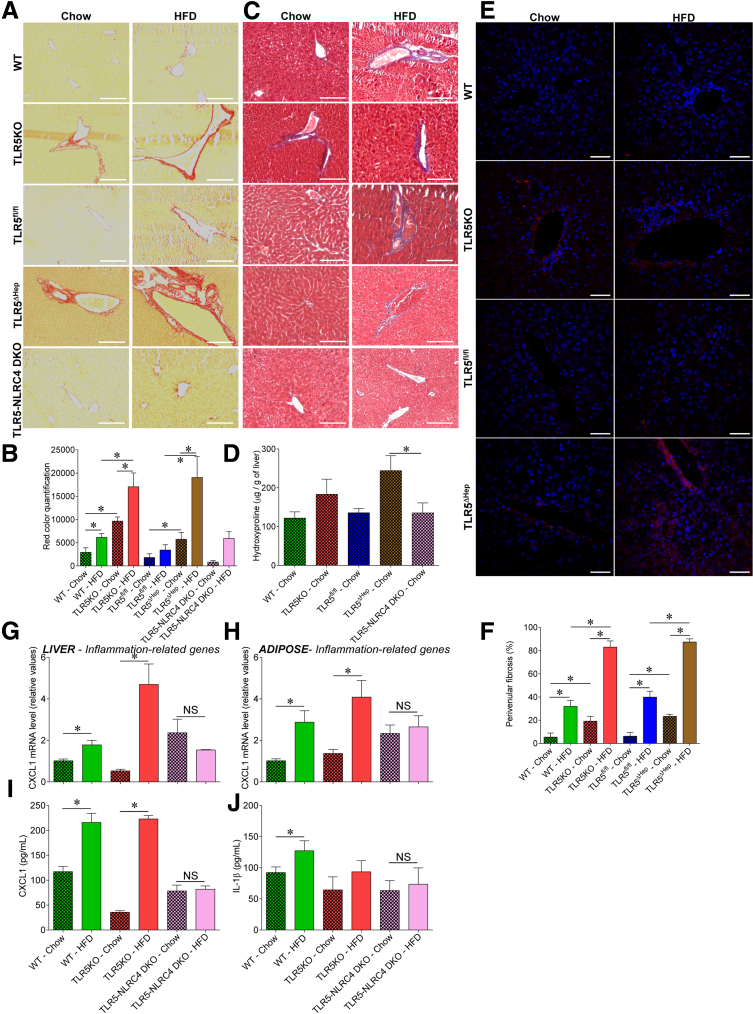
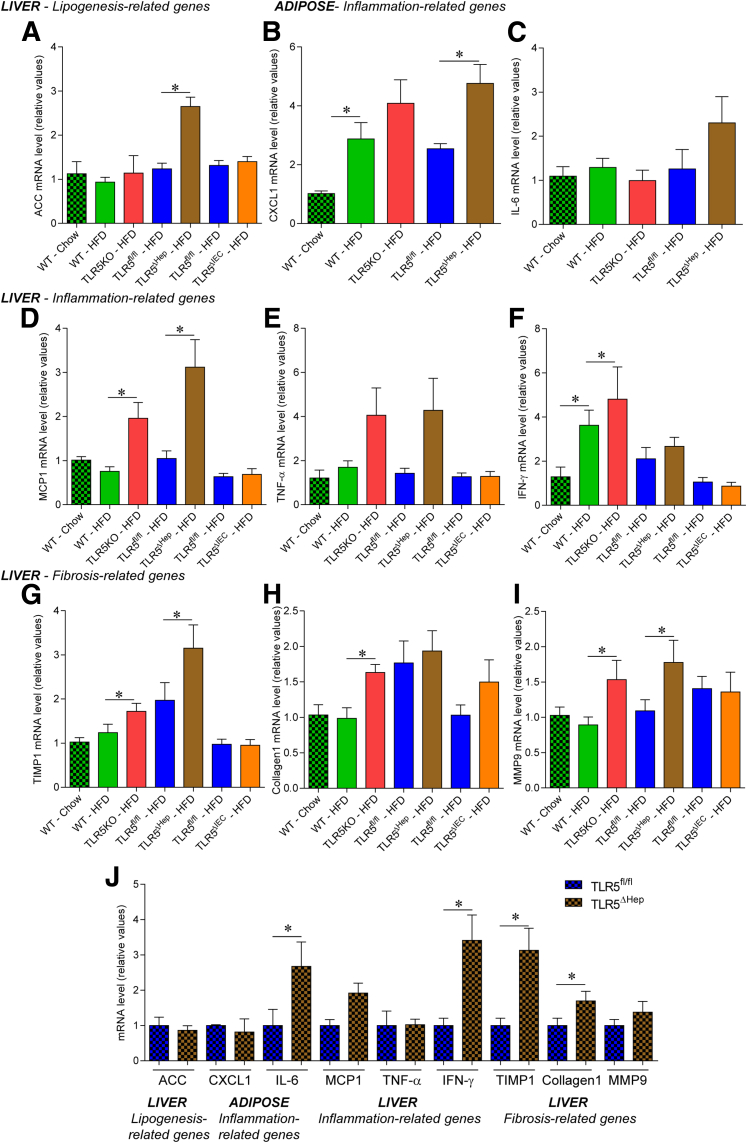
TLR5 expressed similar levels of TLR5 as TLR5 in all organs examined, except in the liver, which showed a 90% reduction in TLR5 levels, indicating that hepatocytes accounted for the major portion of TLR5 expression in this organ. TLR5 showed impairment in responding to purified flagellin and clearing flagellated bacteria from the liver. Although TLR5 mice did not differ markedly from sibling controls in concanavalin A or carbon tetrachloride-induced liver injury models, they showed exacerbated disease in response to a methionine- and choline-deficient diet and HFD. Such predisposition of TLR5 to diet-induced liver pathology was associated with increased expression of proinflammatory cytokines, which was dependent on the Nod-like-receptor C4 inflammasome and rescued by microbiota ablation.
Hepatocyte TLR5 plays a critical role in protecting liver against circulating gut bacteria and against diet-induced liver disease.
先天性免疫功能障碍可促进肝脏慢性炎症性疾病。例如,缺乏鞭毛蛋白受体Toll样受体5(TLR5)的小鼠表现出微生物生态失调,并易患高脂饮食(HFD)诱导的肝脂肪变性。一般而言,肝细胞在检测细菌产物,特别是鞭毛蛋白方面发挥直接作用的程度尚不清楚。在本研究中,我们调查了肝细胞TLR5在识别鞭毛蛋白、监测细菌以及预防肝脏疾病中的作用。
构建肝细胞特异性缺乏TLR5的小鼠(TLR5),并与同窝对照小鼠(TLR5)进行比较分析。测量TLR5信使核糖核酸水平、对外源鞭毛蛋白的反应、循环中活动细菌的清除以及肝损伤(刀豆球蛋白A、四氯化碳、蛋氨酸和胆碱缺乏饮食以及HFD)的易感性。
在所有检测的器官中,TLR5表达的TLR5水平与TLR5相似,但肝脏除外,肝脏中TLR5水平降低了90%,这表明肝细胞占该器官TLR5表达的主要部分。TLR5在对纯化鞭毛蛋白的反应以及从肝脏清除鞭毛细菌方面存在缺陷。尽管在刀豆球蛋白A或四氯化碳诱导的肝损伤模型中TLR5小鼠与同窝对照小鼠没有明显差异,但在蛋氨酸和胆碱缺乏饮食以及HFD作用下,它们表现出病情加重。TLR5对饮食诱导的肝脏病理的这种易感性与促炎细胞因子表达增加有关,这依赖于Nod样受体C4炎性小体,并可通过微生物群切除得到挽救。
肝细胞TLR5在保护肝脏免受循环肠道细菌侵害以及预防饮食诱导的肝脏疾病方面起关键作用。