Su Jianmin, Cole James, Fox Michael A
1 Virginia Tech Carilion Research Institute, Roanoke, VA, USA.
2 Department of Biological Sciences, Virginia Tech, Blacksburg, VA, USA.
ASN Neuro. 2017 Feb;9(1):1759091416689020. doi: 10.1177/1759091416689020.
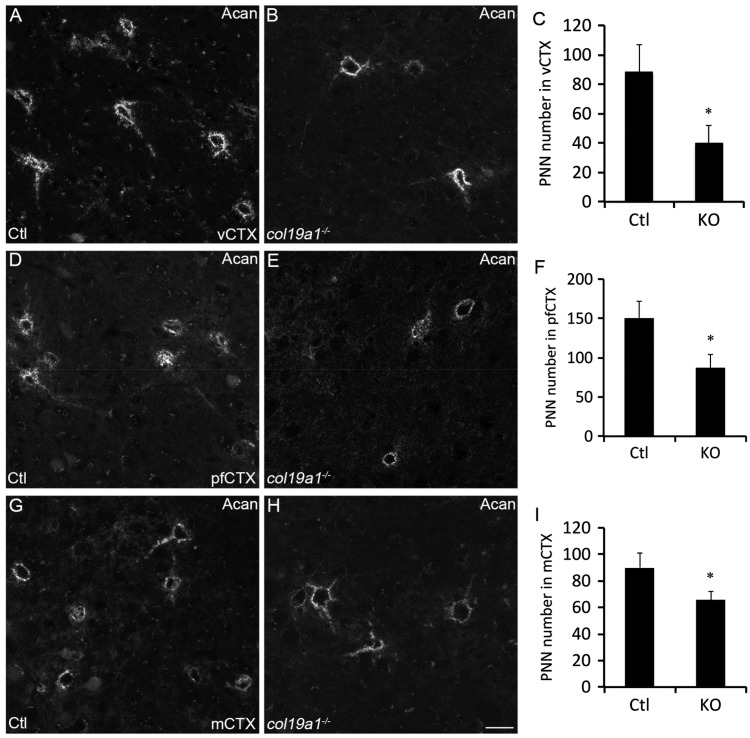
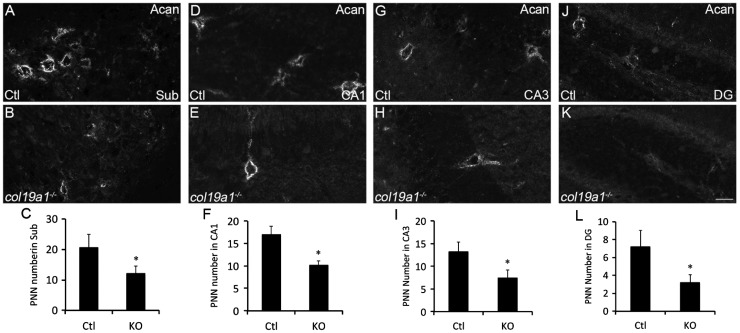
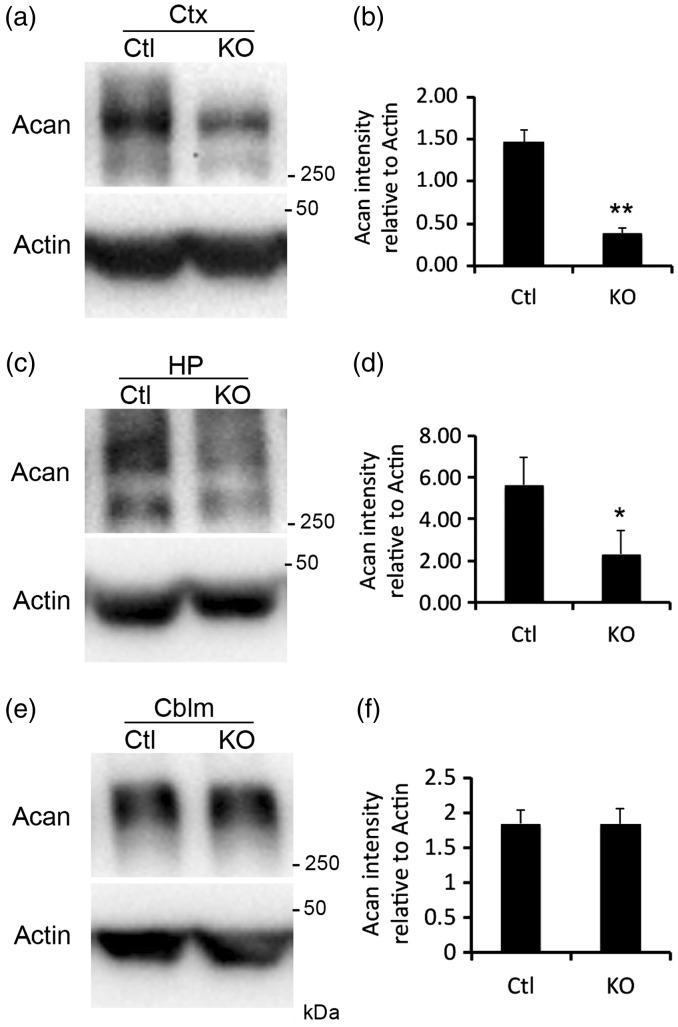
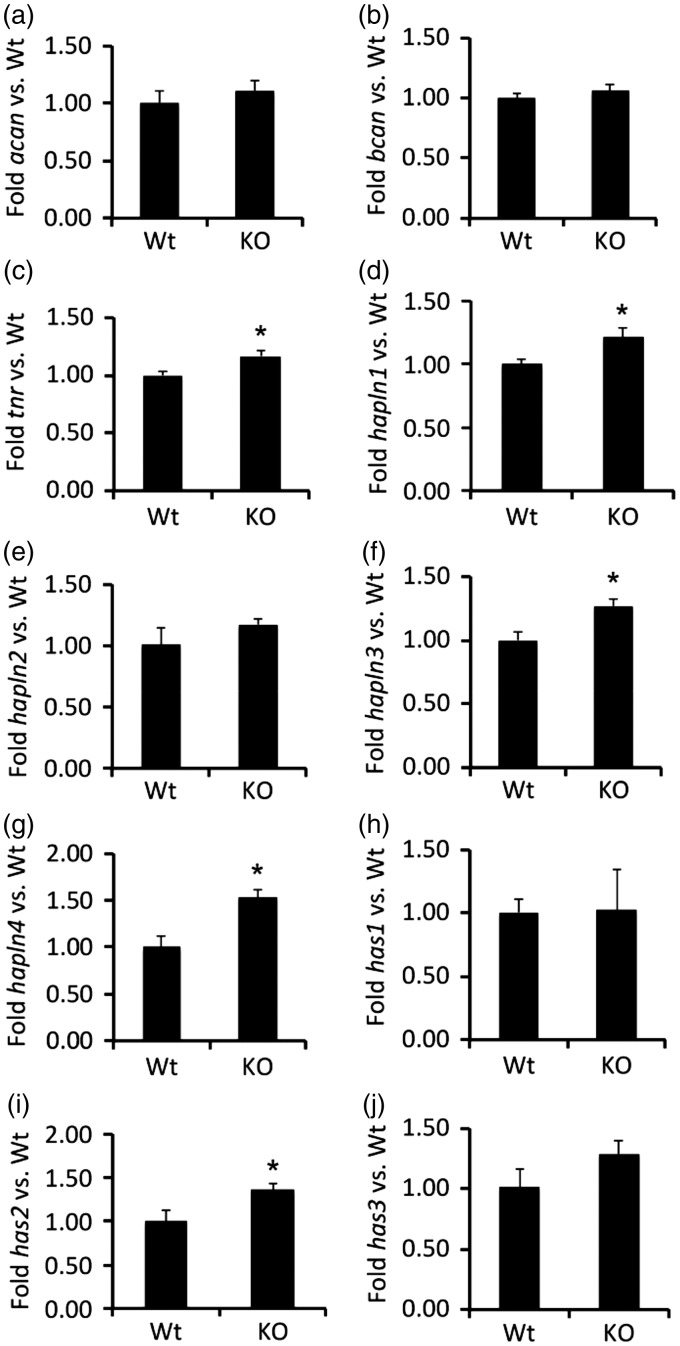
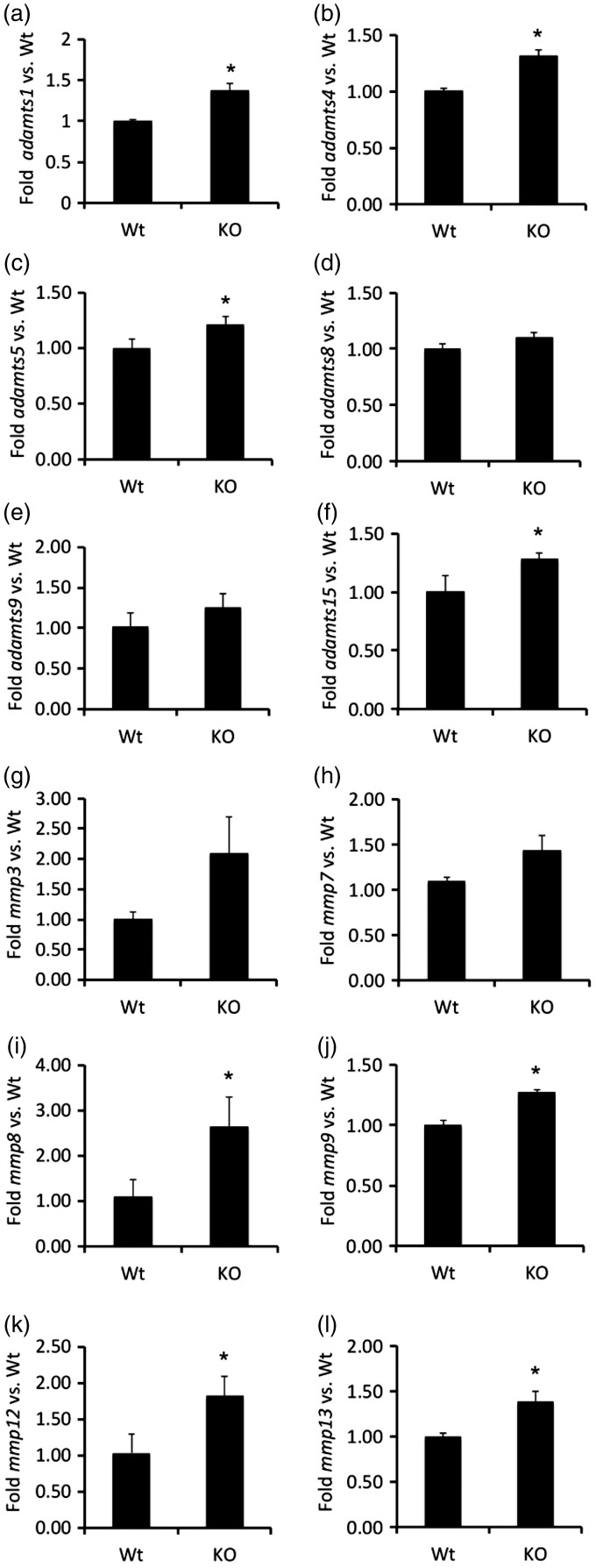
Perineuronal nets (PNNs) are lattice-like supramolecular assemblies of extracellular glycoproteins that surround subsets of neuronal cell bodies in the mammalian telencephalon. PNNs emerge at the end of the critical period of brain development, limit neuronal plasticity in the adult brain, and are lost in a variety of complex brain disorders diseases, including schizophrenia. The link between PNNs and schizophrenia led us to question whether neuronally expressed extracellular matrix (ECM) molecules associated with schizophrenia contribute to the assembly of these specialized supramolecular ECM assemblies. We focused on collagen XIX-a minor, nonfibrillar collagen expressed by subsets of telencephalic interneurons. Genetic alterations in the region encoding collagen XIX have been associated with familial schizophrenia, and loss of this collagen in mice results in altered inhibitory synapses, seizures, and the acquisition of schizophrenia-related behaviors. Here, we demonstrate that loss of collagen XIX also results in a reduction of telencephalic PNNs. Loss of PNNs was accompanied with reduced levels of aggrecan (Acan), a major component of PNNs. Despite reduced levels of PNN constituents in collagen XIX-deficient mice ( col19a1), we failed to detect reduced expression of genes encoding these ECM molecules. Instead, we discovered a widespread upregulation of extracellular proteases capable of cleaving Acan and other PNN constituents in col19a1 brains. Taken together, these results suggest a mechanism by which the loss of collagen XIX speeds PNN degradation and they identify a novel mechanism by which the loss of collagen XIX may contribute to complex brain disorders.
神经周网(PNNs)是细胞外糖蛋白的晶格状超分子聚集体,环绕着哺乳动物端脑神经元细胞体的子集。神经周网在大脑发育关键期结束时出现,限制成人大脑的神经元可塑性,并在包括精神分裂症在内的多种复杂脑部疾病中消失。神经周网与精神分裂症之间的联系促使我们质疑,与精神分裂症相关的神经元表达的细胞外基质(ECM)分子是否有助于这些特殊超分子ECM聚集体的组装。我们聚焦于ⅪX型胶原蛋白——一种由端脑中间神经元子集表达的少量非纤维状胶原蛋白。编码ⅪX型胶原蛋白区域的基因改变与家族性精神分裂症有关,小鼠体内这种胶原蛋白的缺失会导致抑制性突触改变、癫痫发作以及出现与精神分裂症相关的行为。在此,我们证明ⅪX型胶原蛋白的缺失也会导致端脑神经周网减少。神经周网的减少伴随着聚集蛋白聚糖(Acan)水平的降低,聚集蛋白聚糖是神经周网的主要成分。尽管在缺乏ⅪX型胶原蛋白的小鼠(col19a1)中神经周网成分水平降低,但我们未能检测到编码这些ECM分子的基因表达减少。相反,我们发现col19a1小鼠大脑中能够切割聚集蛋白聚糖和其他神经周网成分的细胞外蛋白酶普遍上调。综上所述,这些结果提示了一种机制,即ⅪX型胶原蛋白的缺失加速了神经周网的降解,并且它们确定了一种新机制,通过该机制ⅪX型胶原蛋白的缺失可能导致复杂的脑部疾病。