Peng Yi, Cui Chaoying, He Yaoxi, Zhang Hui, Yang Deying, Zhang Qu, Yang Lixin, He Yibo, Xiang Kun, Zhang Xiaoming, Bhandari Sushil, Shi Peng, Pan Yongyue, Bai Caijuan, Xu Shuhua, Chen Hua, Liu Shiming, Wu Tianyi, Qi Xuebin, Su Bing
State Key Laboratory of Genetic Resources and Evolution, Kunming Institute of Zoology, Chinese Academy of Sciences, Kunming, China.
High Altitude Medical Research Center, School of Medicine, Tibetan University, Lhasa, China.
Mol Biol Evol. 2017 Apr 1;34(4):818-830. doi: 10.1093/molbev/msw280.
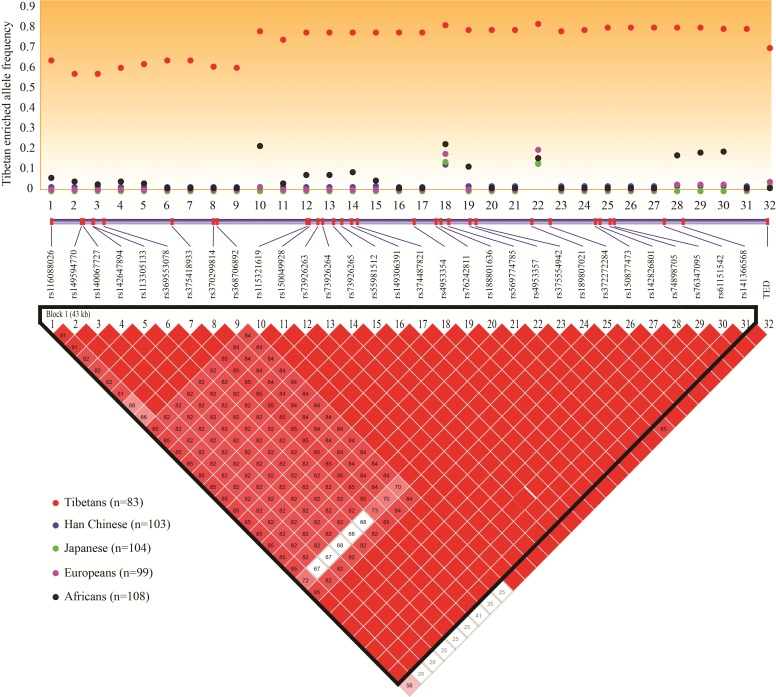
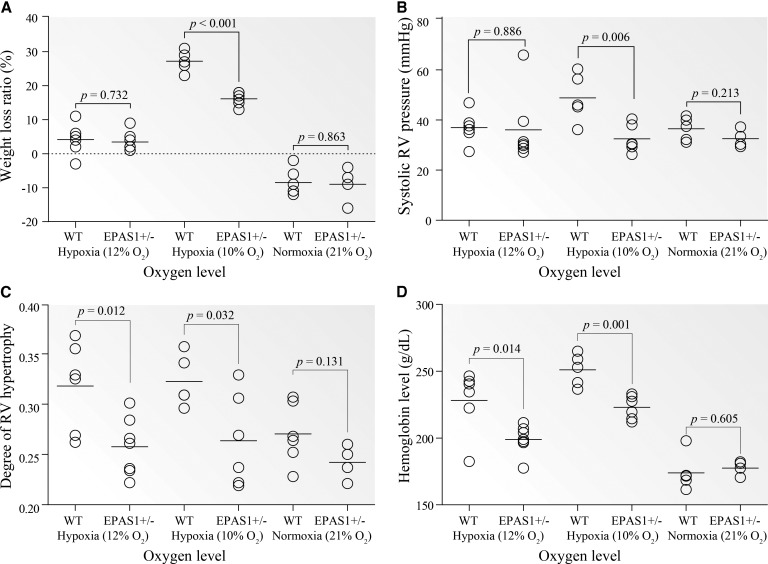
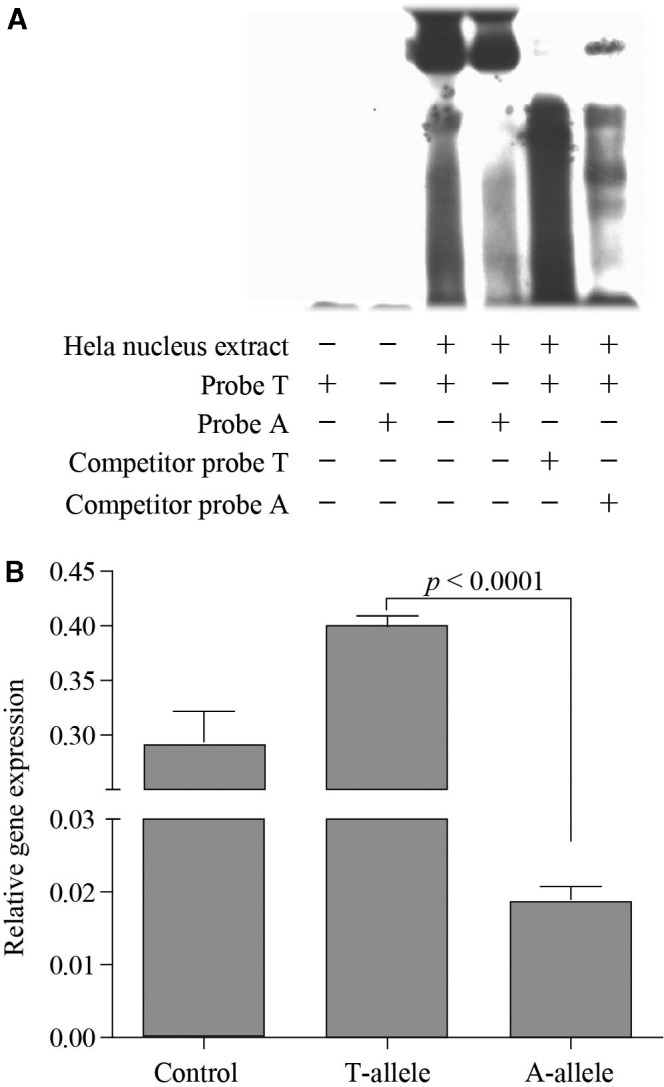
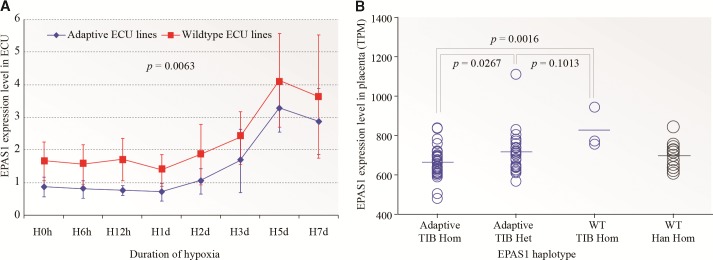
Tibetans are well adapted to the hypoxic environments at high altitude, yet the molecular mechanism of this adaptation remains elusive. We reported comprehensive genetic and functional analyses of EPAS1, a gene encoding hypoxia inducible factor 2α (HIF-2α) with the strongest signal of selection in previous genome-wide scans of Tibetans. We showed that the Tibetan-enriched EPAS1 variants down-regulate expression in human umbilical endothelial cells and placentas. Heterozygous EPAS1 knockout mice display blunted physiological responses to chronic hypoxia, mirroring the situation in Tibetans. Furthermore, we found that the Tibetan version of EPAS1 is not only associated with the relatively low hemoglobin level as a polycythemia protectant, but also is associated with a low pulmonary vasoconstriction response in Tibetans. We propose that the down-regulation of EPAS1 contributes to the molecular basis of Tibetans' adaption to high-altitude hypoxia.
藏族人对高海拔地区的低氧环境具有良好的适应性,但其适应的分子机制仍不清楚。我们报道了对内皮 PAS 结构域蛋白 1(EPAS1)的全面遗传和功能分析,该基因编码缺氧诱导因子 2α(HIF-2α),在先前对藏族人的全基因组扫描中具有最强的选择信号。我们发现,在藏族人群中富集的 EPAS1 变体可下调人脐静脉内皮细胞和胎盘的表达。杂合型 EPAS1 基因敲除小鼠对慢性缺氧的生理反应减弱,这与藏族人的情况相似。此外,我们发现藏族人版本的 EPAS1 不仅作为一种红细胞增多症保护剂与相对较低的血红蛋白水平相关,而且还与藏族人较低的肺血管收缩反应有关。我们认为,EPAS1 的下调有助于藏族人适应高海拔缺氧的分子基础。