Tan Lingjing, Zhang Xiang, Mei Zhigang, Wang Jinfeng, Li Xiaoli, Huang Weifeng, Yang Songbai
Third-Grade Pharmacological Laboratory on Chinese Medicine Approved by State Administration of Traditional Chinese Medicine, Medical College of China Three Gorges University, Yichang, Hubei 443002, China; Key Laboratory of Cardiovascular and Cerebrovascular Diseases Translational Medicine, China Three Gorges University, Yichang, Hubei 443002, China.
Yiling Hospital, Yichang, Hubei 443100, China.
Evid Based Complement Alternat Med. 2016;2016:5154290. doi: 10.1155/2016/5154290. Epub 2016 Dec 21.
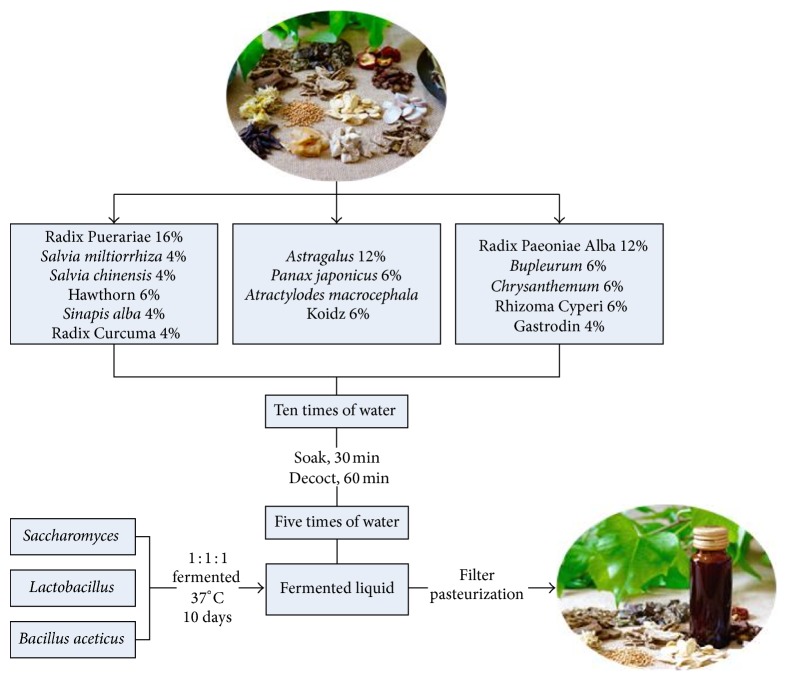
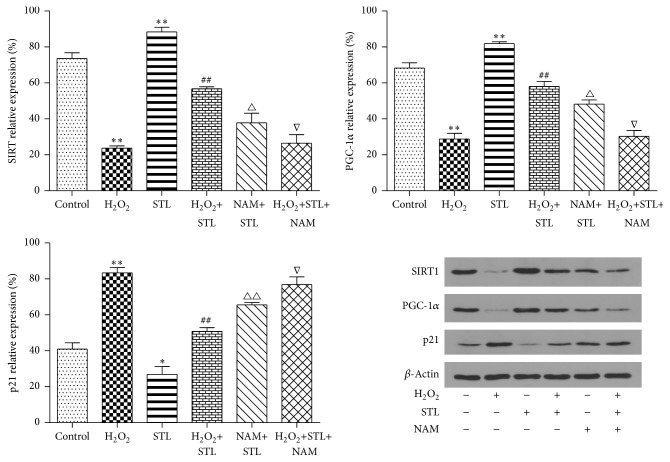
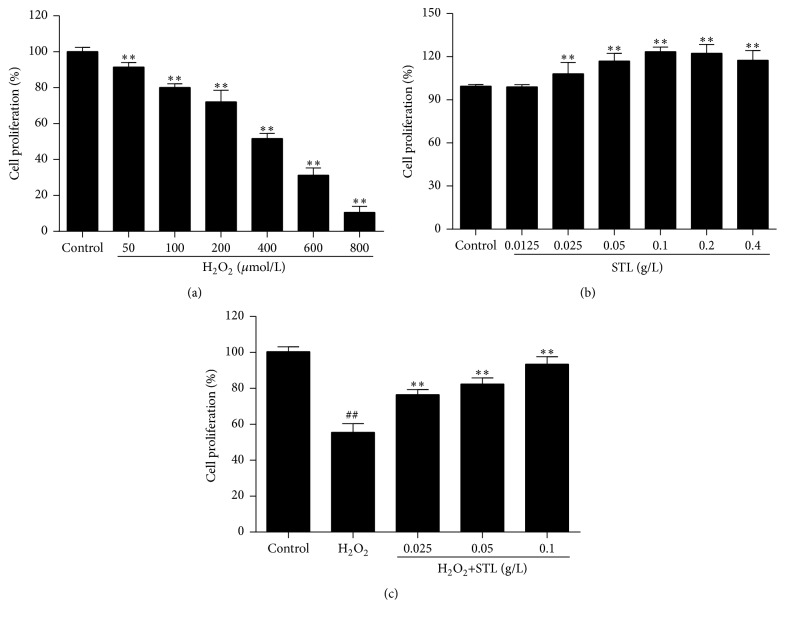
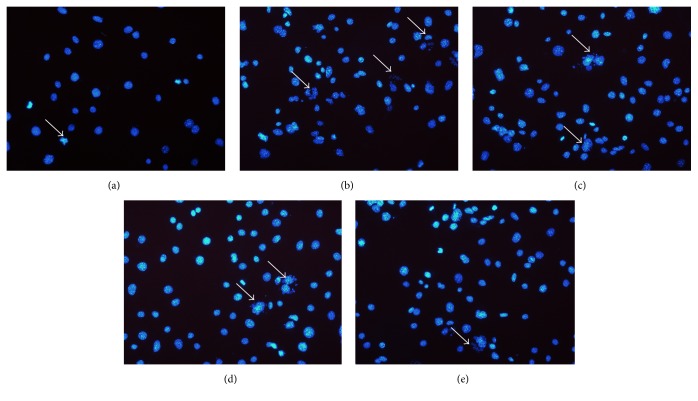
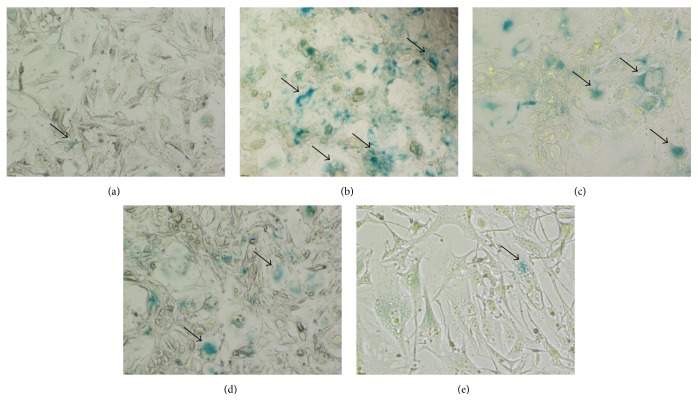
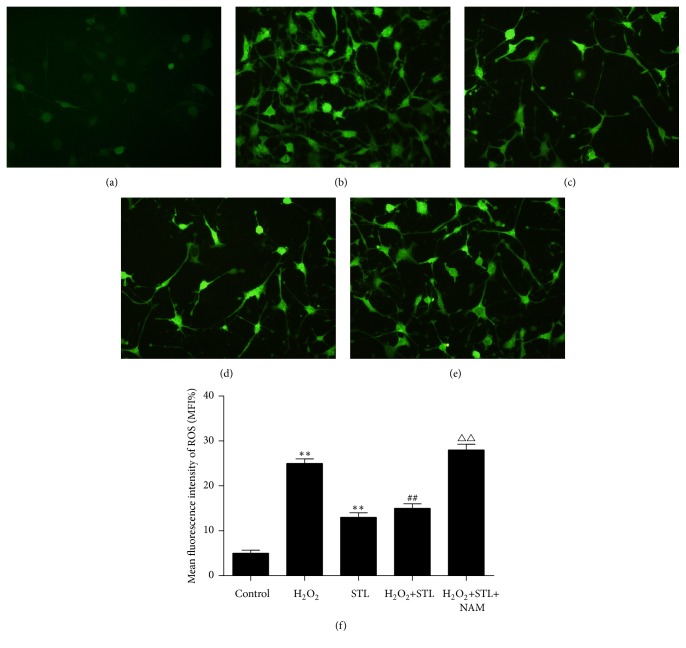
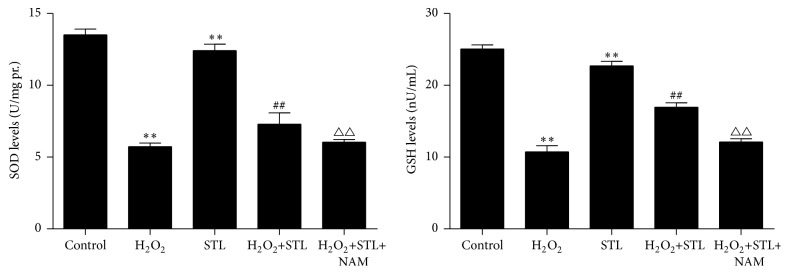
Fermented Chinese formula (STL), composed of fourteen medicinal herbs, was an experiential formula by Dr. Zhigang Mei for treating vascular encephalopathy, but the underlying mechanisms remained unknown. In this study, we aimed to investigate the protective effects of fermented STL on hydrogen peroxide- (HO-) induced injury in rat brain microvascular endothelial cells (BMECs) and the possible mechanisms. Cultured BMECs were treated with HO, STL, or nicotinamide (NAM, a SIRT1 inhibitor). Then, 3-(4,5-dimethylthiazol-2-yl)-2,5-diphenyl-2H-tetrazolium bromide (MTT) assay was employed to detect cell proliferation and senescence-associated beta-galactosidase (SA--gal) was used to examine cell senescence. Cell nuclei were observed by 4',6-diamidino-2-phenylindole. Additionally, changes in reactive oxygen species (ROS), superoxide dismutase (SOD), and glutathione (GSH) levels were measured. Expression of SIRT1, p21, and PGC-1 was determined by western blot. Cell proliferation significantly increased with STL treatment in a dose-dependent manner. HO treatment could intensify cell senescence and nuclei splitting or pyknosis. With STL treatment, the reduced ROS level was accompanied by increased SOD and GSH activity. Further assays showed upregulation of SIRT1 and PGC-1 and downregulation of p21 after STL treatment. The results revealed that STL could protect BMECs against oxidative stress injury at least partially through the SIRT1 pathway.
由十四味中药材组成的中药发酵配方(STL)是梅志刚博士用于治疗血管性脑病的经验方,但其潜在机制尚不清楚。在本研究中,我们旨在探讨发酵STL对过氧化氢(H₂O₂)诱导的大鼠脑微血管内皮细胞(BMECs)损伤的保护作用及其可能机制。将培养的BMECs分别用H₂O₂、STL或烟酰胺(NAM,一种SIRT1抑制剂)处理。然后,采用3-(4,5-二甲基噻唑-2-基)-2,5-二苯基-2H-四氮唑溴盐(MTT)法检测细胞增殖,并使用衰老相关β-半乳糖苷酶(SA-β-gal)检测细胞衰老。用4',6-二脒基-2-苯基吲哚观察细胞核。此外,还检测了活性氧(ROS)、超氧化物歧化酶(SOD)和谷胱甘肽(GSH)水平的变化。通过蛋白质免疫印迹法测定SIRT1、p21和PGC-1的表达。STL处理可使细胞增殖显著增加,且呈剂量依赖性。H₂O₂处理可加剧细胞衰老以及细胞核分裂或固缩。STL处理后,ROS水平降低,同时SOD和GSH活性增加。进一步检测显示,STL处理后SIRT1和PGC-1上调,p21下调。结果表明,STL至少部分通过SIRT1途径保护BMECs免受氧化应激损伤。