Liao Wupeng, Dong Jinrui, Peh Hong Yong, Tan Lay Hong, Lim Kah Suan, Li Li, Wong Wai-Shiu Fred
Department of Pharmacology, Yong Loo Lin School of Medicine, National University Health System, Singapore 117600, Singapore.
Immunology Program, Life Science Institute, National University of Singapore, Singapore 117456, Singapore.
Molecules. 2017 Jan 17;22(1):139. doi: 10.3390/molecules22010139.
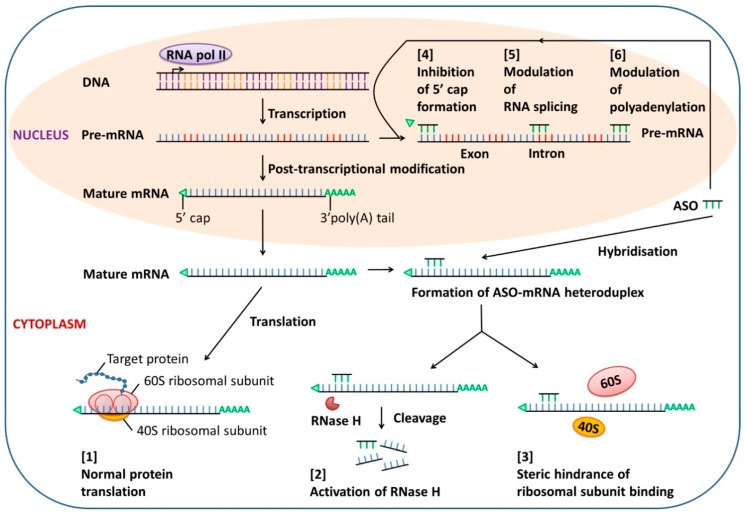
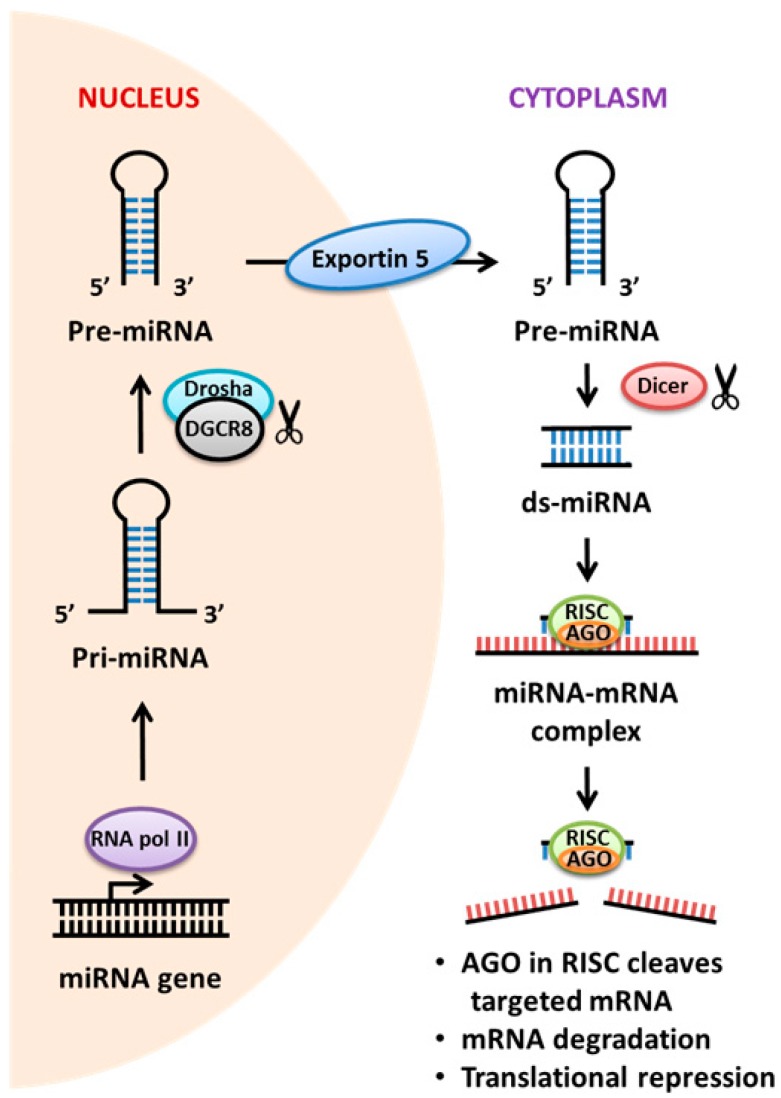
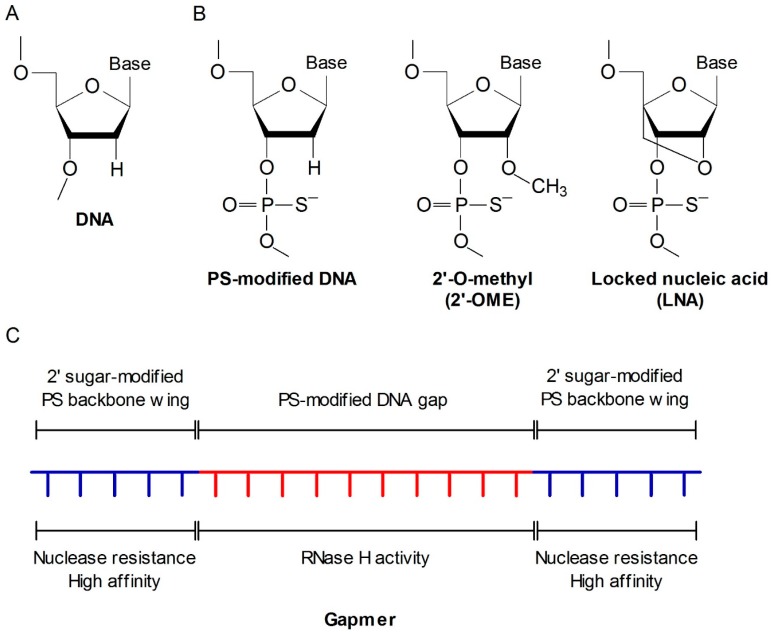
Inhaled oligonucleotide is an emerging therapeutic modality for various common respiratory diseases, including obstructive airway diseases like asthma and chronic obstructive pulmonary disease (COPD) and restrictive airway diseases like idiopathic pulmonary fibrosis (IPF). The advantage of direct accessibility for oligonucleotide molecules to the lung target sites, bypassing systemic administration, makes this therapeutic approach promising with minimized potential systemic side effects. Asthma, COPD, and IPF are common chronic respiratory diseases, characterized by persistent airway inflammation and dysregulated tissue repair and remodeling, although each individual disease has its unique etiology. Corticosteroids have been widely prescribed for the treatment of asthma, COPD, and IPF. However, the effectiveness of corticosteroids as an anti-inflammatory drug is limited by steroid resistance in severe asthma, the majority of COPD cases, and pulmonary fibrosis. There is an urgent medical need to develop target-specific drugs for the treatment of these respiratory conditions. Oligonucleotide therapies, including antisense oligonucleotide (ASO), small interfering RNA (siRNA), and microRNA (miRNA) are now being evaluated both pre-clinically and clinically as potential therapeutics. The mechanisms of action of ASO and siRNA are highly target mRNA specific, ultimately leading to target protein knockdown. miRNA has both biomarker and therapeutic values, and its knockdown by a miRNA antagonist (antagomir) has a broader but potentially more non-specific biological outcome. This review will compile the current findings of oligonucleotide therapeutic targets, verified in various respiratory disease models and in clinical trials, and evaluate different chemical modification approaches to improve the stability and potency of oligonucleotides for the treatment of respiratory diseases.
吸入寡核苷酸是一种用于治疗多种常见呼吸道疾病的新兴治疗方式,这些疾病包括阻塞性气道疾病,如哮喘和慢性阻塞性肺疾病(COPD),以及限制性气道疾病,如特发性肺纤维化(IPF)。寡核苷酸分子可直接作用于肺部靶位点,无需全身给药,这一优势使得这种治疗方法前景广阔,且潜在的全身副作用最小。哮喘、COPD和IPF是常见的慢性呼吸道疾病,其特征为持续性气道炎症以及组织修复和重塑失调,尽管每种疾病都有其独特的病因。皮质类固醇已被广泛用于治疗哮喘、COPD和IPF。然而,在重症哮喘、大多数COPD病例以及肺纤维化中,皮质类固醇作为抗炎药物的有效性受到类固醇抵抗的限制。迫切需要开发针对特定靶点的药物来治疗这些呼吸道疾病。寡核苷酸疗法,包括反义寡核苷酸(ASO)、小干扰RNA(siRNA)和微小RNA(miRNA),目前正在临床前和临床阶段作为潜在治疗方法进行评估。ASO和siRNA的作用机制具有高度的靶mRNA特异性,最终导致靶蛋白表达下调。miRNA具有生物标志物和治疗价值,通过miRNA拮抗剂(抗miR)抑制其表达会产生更广泛但可能更非特异性的生物学结果。本综述将汇总在各种呼吸道疾病模型和临床试验中得到验证的寡核苷酸治疗靶点的当前研究结果,并评估不同的化学修饰方法,以提高寡核苷酸治疗呼吸道疾病的稳定性和效力。