Marchena Miguel, Villarejo-Zori Beatriz, Zaldivar-Diez Josefa, Palomo Valle, Gil Carmen, Hernández-Sánchez Catalina, Martínez Ana, de la Rosa Enrique J
a Department of Cellular and Molecular Medicine , Centro de Investigaciones Biológicas (CSIC) , Madrid , Spain.
b Department of Chemical and Physical Biology , Centro de Investigaciones Biológicas (CSIC) , Madrid , Spain.
J Enzyme Inhib Med Chem. 2017 Dec;32(1):522-526. doi: 10.1080/14756366.2016.1265522.
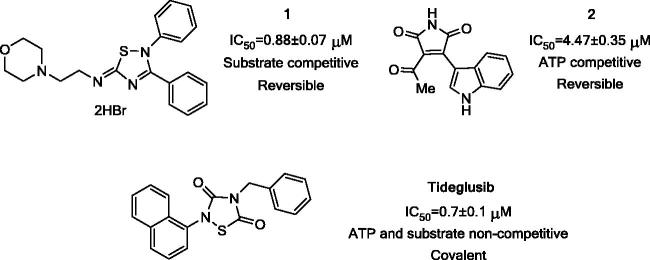
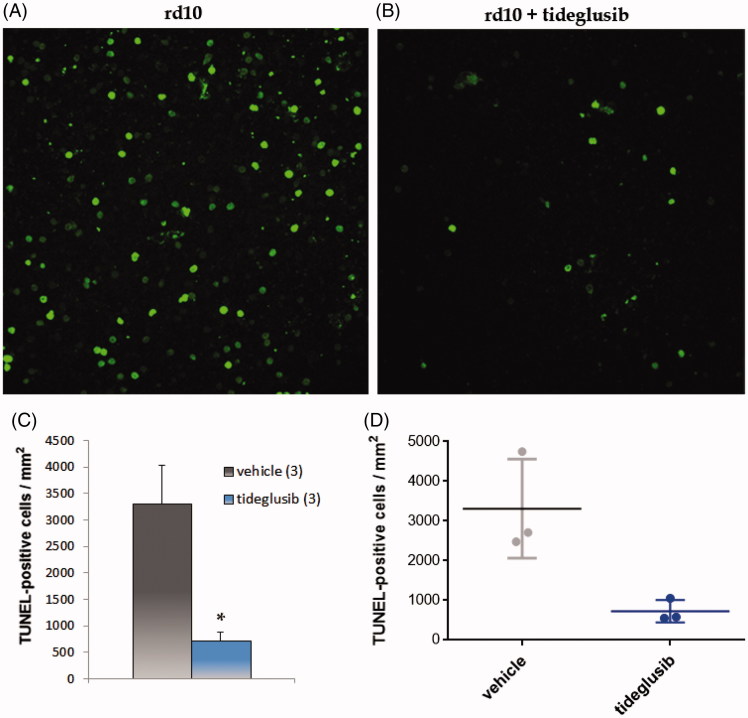
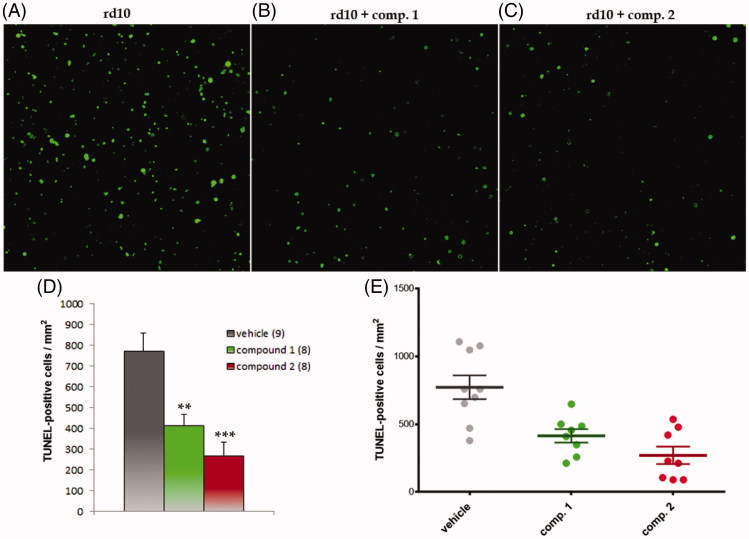
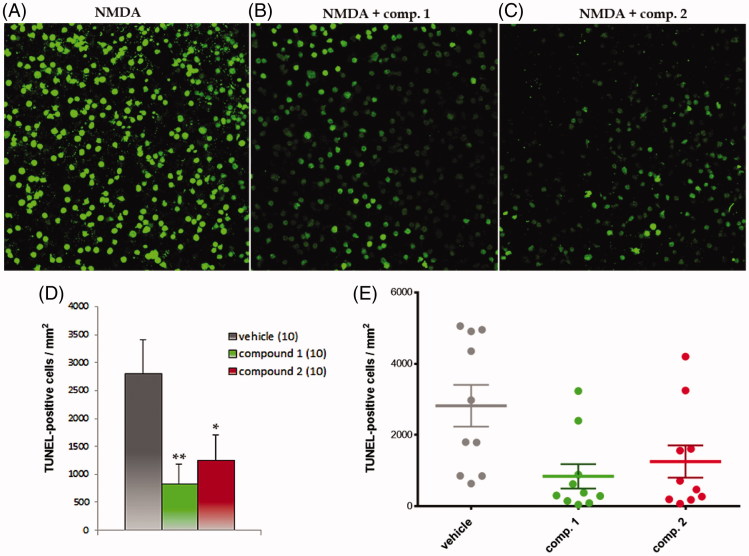
Retinitis pigmentosa (RP) is an inherited retinal dystrophy that courses with progressive degeneration of retinal tissue and loss of vision. Currently, RP is an unpreventable, incurable condition. We propose glycogen synthase kinase 3 (GSK-3) inhibitors as potential leads for retinal cell neuroprotection, since the retina is also a part of the central nervous system and GSK-3 inhibitors are potent neuroprotectant agents. Using a chemical genetic approach, diverse small molecules with different potency and binding mode to GSK-3 have been used to validate and confirm GSK-3 as a pharmacological target for RP. Moreover, this medicinal chemistry approach has provided new leads for the future disease-modifying treatment of RP.
视网膜色素变性(RP)是一种遗传性视网膜营养不良疾病,其病程伴随视网膜组织的进行性退化和视力丧失。目前,RP是一种无法预防、无法治愈的疾病。我们提出糖原合酶激酶3(GSK-3)抑制剂作为视网膜细胞神经保护的潜在先导物,因为视网膜也是中枢神经系统的一部分,而GSK-3抑制剂是有效的神经保护剂。使用化学遗传学方法,已使用与GSK-3具有不同效力和结合模式的多种小分子来验证和确认GSK-3作为RP的药理学靶点。此外,这种药物化学方法为RP未来的疾病修饰治疗提供了新的先导物。