Wagner Brandie D, Sontag Marci K, Harris J Kirk, Miller Joshua I, Morrow Lindsey, Robertson Charles E, Stephens Mark, Poindexter Brenda B, Abman Steven H, Mourani Peter M
Department of Biostatistics, Colorado School of Public Health, University of Colorado, Aurora, Colorado, United States of America.
Section of Pulmonary, Department of Pediatrics, School of Medicine, University of Colorado, Aurora, Colorado, United States of America.
PLoS One. 2017 Jan 27;12(1):e0170120. doi: 10.1371/journal.pone.0170120. eCollection 2017.
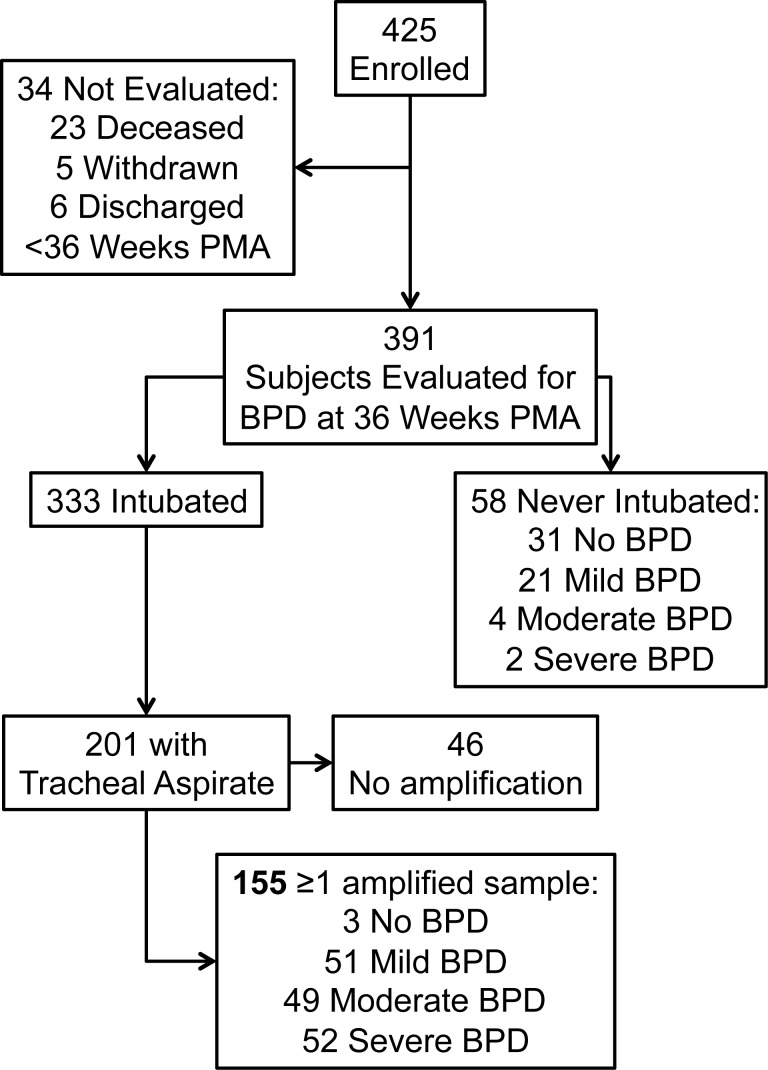
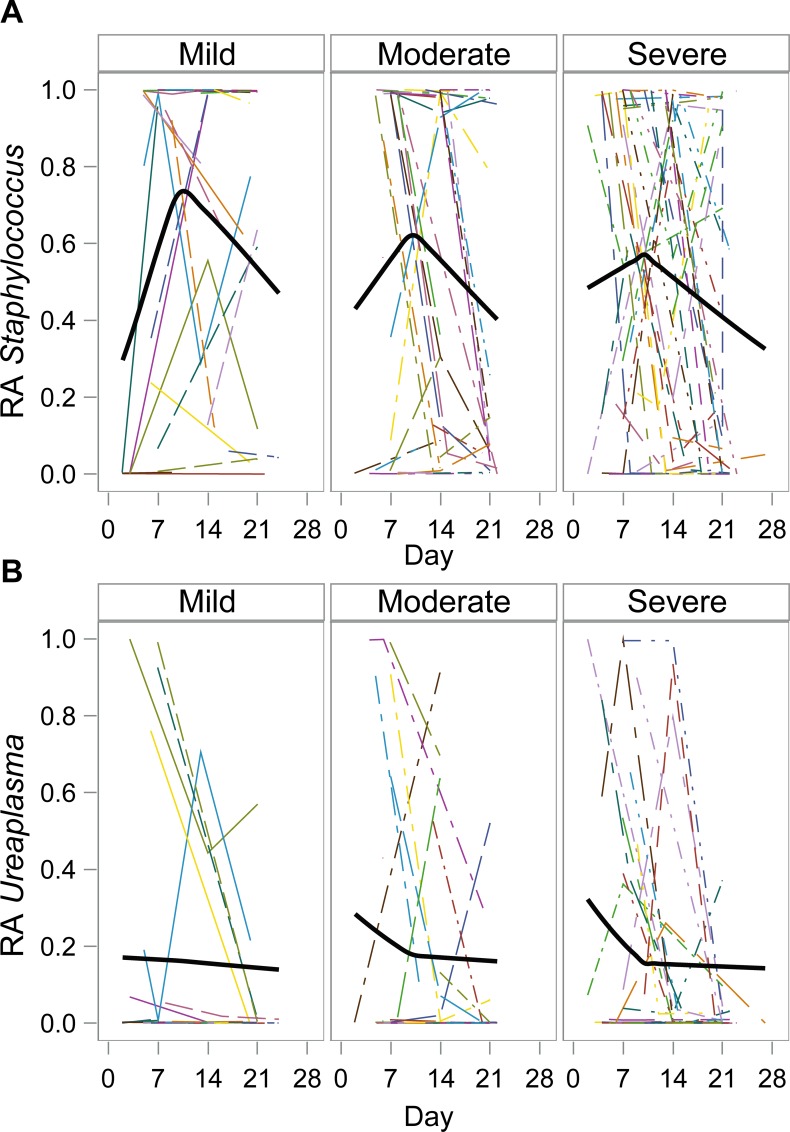
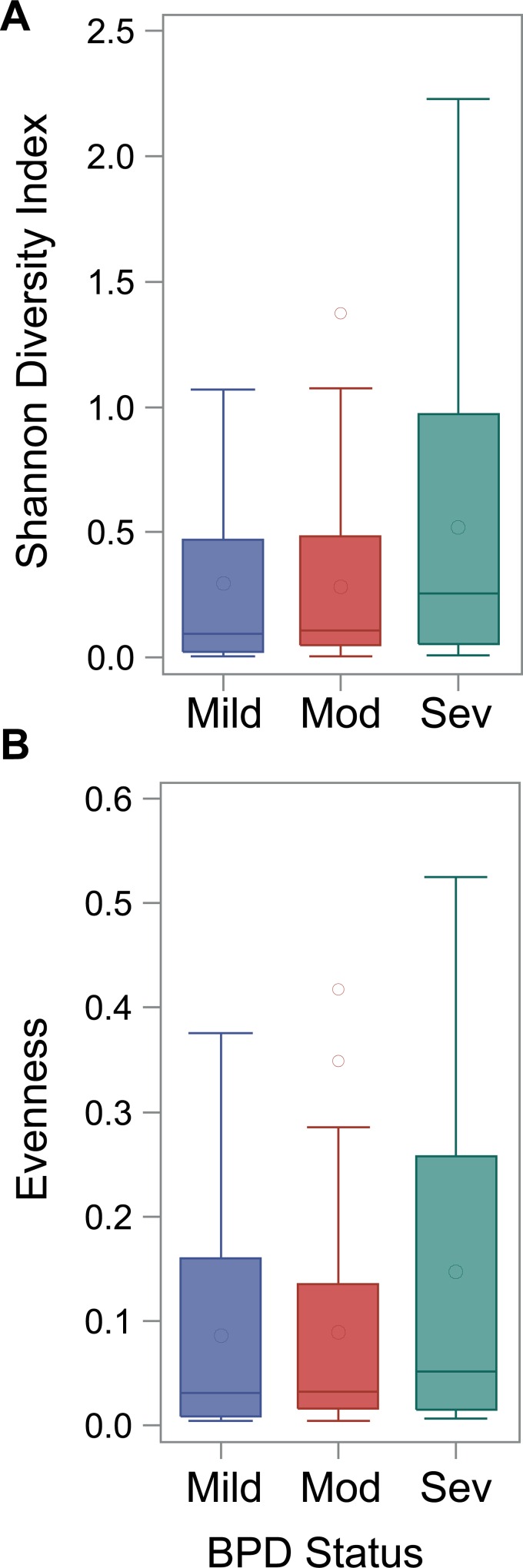
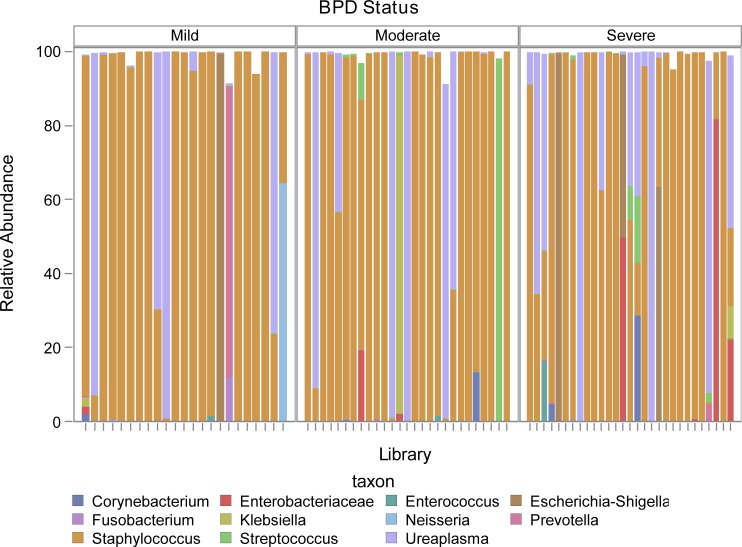
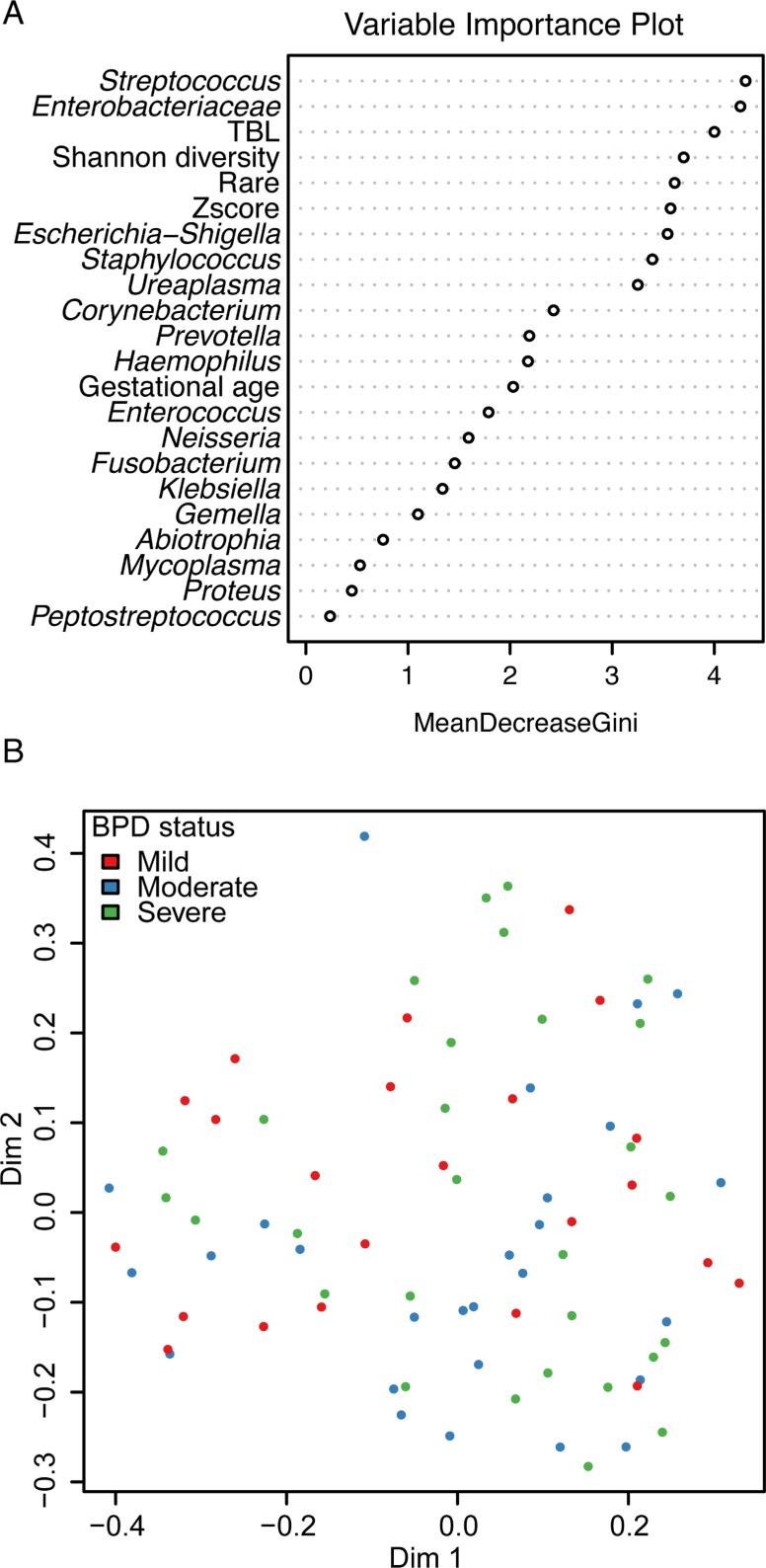
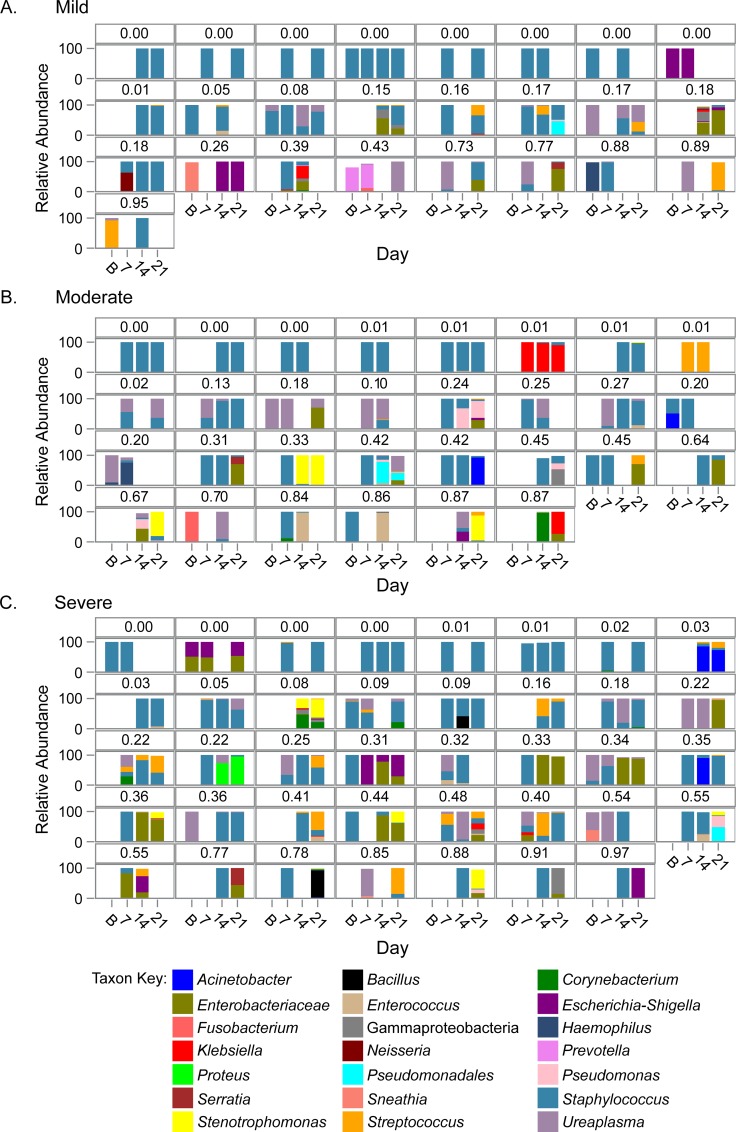
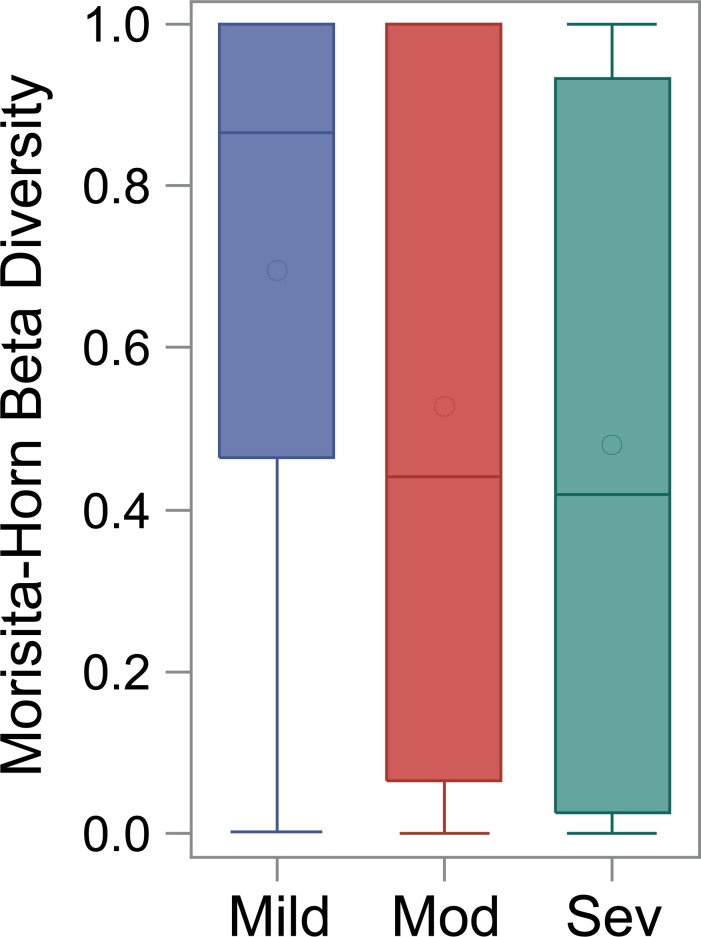
Preterm birth exposes the developing lung to an environment with direct exposure to bacteria, often facilitated by endotracheal intubation. Despite evidence linking bacterial infections to the pathogenesis of bronchopulmonary dysplasia (BPD), systematic studies of airway microbiota are limited. The objective was to identify specific patterns of the early respiratory tract microbiome from tracheal aspirates of mechanically ventilated preterm infants that are associated with the development and severity of BPD. Infants with gestational age ≤34 weeks, and birth weight 500-1250g were prospectively enrolled. Mechanically ventilated infants had tracheal aspirate samples collected at enrollment, 7, 14, and 21 days of age. BPD was determined by modified NIH criteria with oxygen reduction tests; infants without BPD were excluded due to low numbers. Aspirates were processed for bacterial identification by 16S rRNA sequencing, and bacterial load by qPCR. Cross-sectional analysis was performed using 7 day samples and longitudinal analysis was performed from subjects with at least 2 aspirates. Microbiome analysis was performed on tracheal aspirates from 152 infants (51, 49, and 52 with mild, moderate, and severe BPD, respectively). Seventy-nine of the infants were included in the cross-sectional analysis and 94 in the longitudinal. Shannon Diversity, bacterial load, and relative abundance of individual taxa were not strongly associated with BPD status. Longitudinal analysis revealed that preterm infants who eventually developed severe BPD exhibited greater bacterial community turnover with age, acquired less Staphylococcus in the first days after birth, and had higher initial relative abundance of Ureaplasma. In conclusion, longitudinal changes in the airway microbial communities of mechanically ventilated preterm infants may be associated with BPD severity, whereas cross-sectional analysis of airway ecology at 7 days of age did not reveal an association with BPD severity. Further evaluation is necessary to determine whether the observed longitudinal changes are causal or in response to clinical management or other factors that lead to BPD.
早产使发育中的肺直接暴露于细菌环境中,气管插管常常会促使这种情况发生。尽管有证据表明细菌感染与支气管肺发育不良(BPD)的发病机制有关,但对气道微生物群的系统性研究却很有限。本研究的目的是确定机械通气早产儿气管吸出物中早期呼吸道微生物组的特定模式,这些模式与BPD的发生和严重程度相关。前瞻性纳入了胎龄≤34周、出生体重500 - 1250g的婴儿。机械通气婴儿在入组时、7日龄、14日龄和21日龄时采集气管吸出物样本。BPD通过改良的美国国立卫生研究院(NIH)标准及氧减少试验确定;由于数量较少,未患BPD的婴儿被排除。吸出物通过16S rRNA测序进行细菌鉴定,并通过定量聚合酶链反应(qPCR)检测细菌载量。使用7日龄样本进行横断面分析,对至少有2次吸出物的受试者进行纵向分析。对152例婴儿(分别有51例、49例和52例患有轻度、中度和重度BPD)的气管吸出物进行了微生物组分析。79例婴儿纳入横断面分析,94例纳入纵向分析。香农多样性、细菌载量和单个分类群的相对丰度与BPD状态没有密切关联。纵向分析显示,最终发展为重度BPD的早产儿随着年龄增长细菌群落更替更大,出生后最初几天获得的葡萄球菌较少,脲原体的初始相对丰度较高。总之,机械通气早产儿气道微生物群落的纵向变化可能与BPD严重程度相关,而7日龄时气道生态的横断面分析未发现与BPD严重程度有关联。有必要进一步评估观察到的纵向变化是因果关系,还是对临床管理或导致BPD的其他因素的反应。