Leardi Juan Martin, Pol Diego, Clark James Matthew
CONICET, Instituto de Estudios Andinos "Don Pablo Groeber" (IDEAN), Facultad de Ciencias Exactas y Naturales, Departamento de Ciencias Geológicas, Universidad de Buenos Aires , Buenos Aires , Argentina.
CONICET, Museo Paleontológico Egidio Feruglio , Trelew , Chubut , Argentina.
PeerJ. 2017 Jan 19;5:e2801. doi: 10.7717/peerj.2801. eCollection 2017.
Marsh, 1884 from the Late Jurassic Morrison Fm. of Wyoming was originally described as a dinosaur by Marsh and in 1971 Ostrom suggested crocodilian affinities. In 2005, Göhlich and collaborators identified new material of this species from Colorado as a basal crocodylomorph. However, a partial skull found in association with mandibular and postcranial remains was not described.
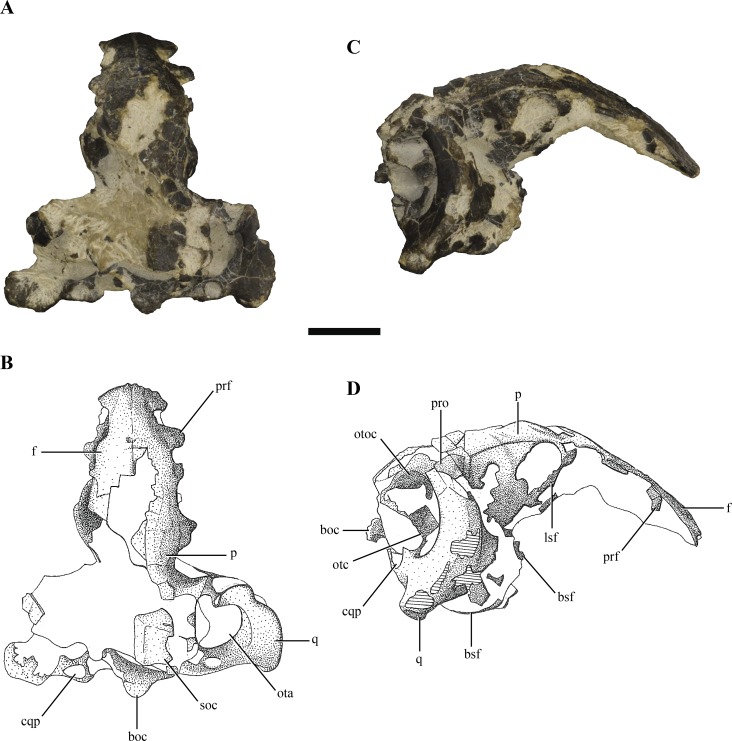
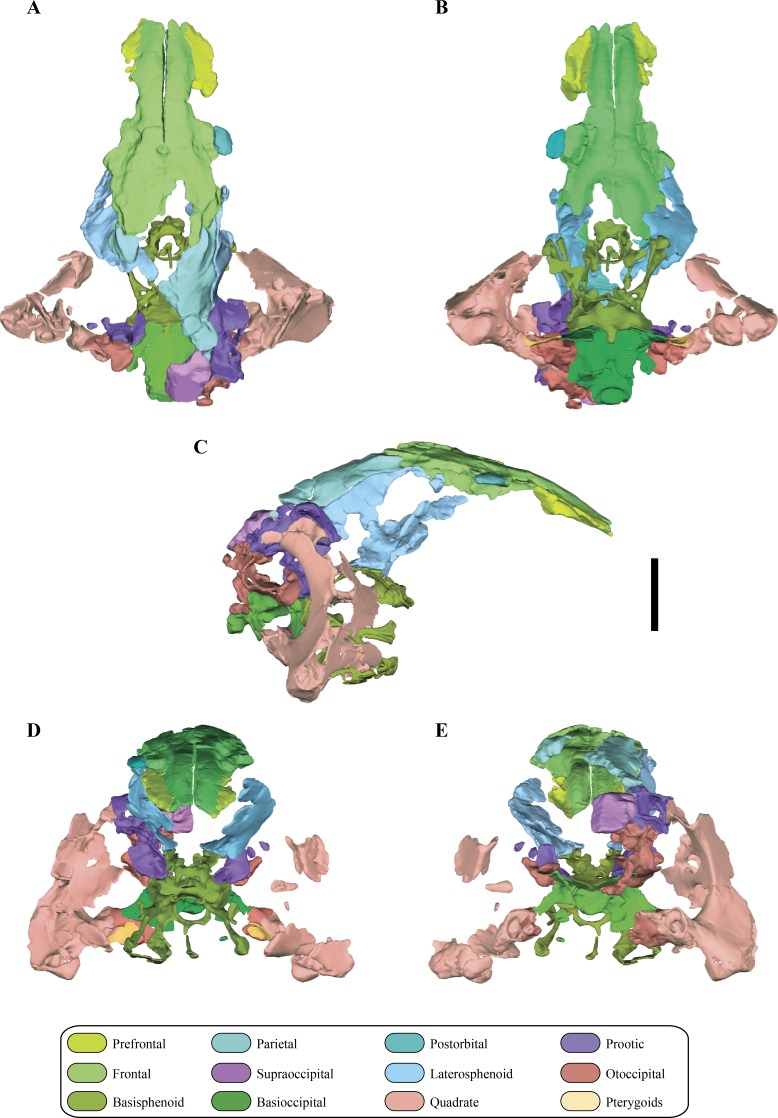
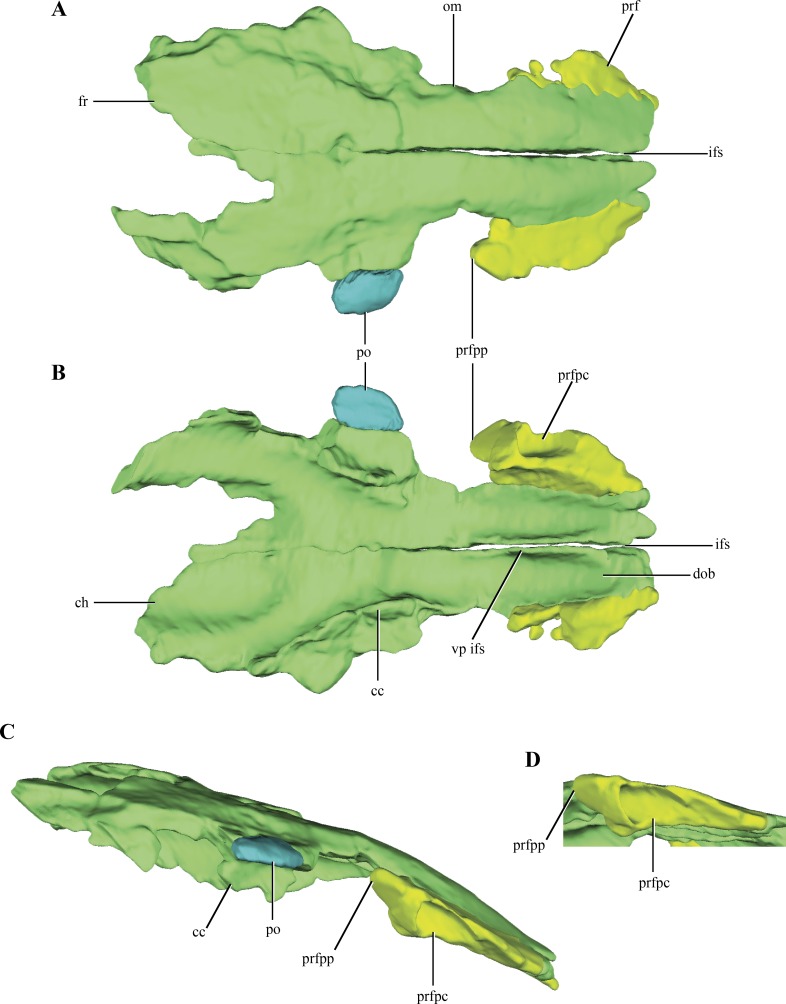
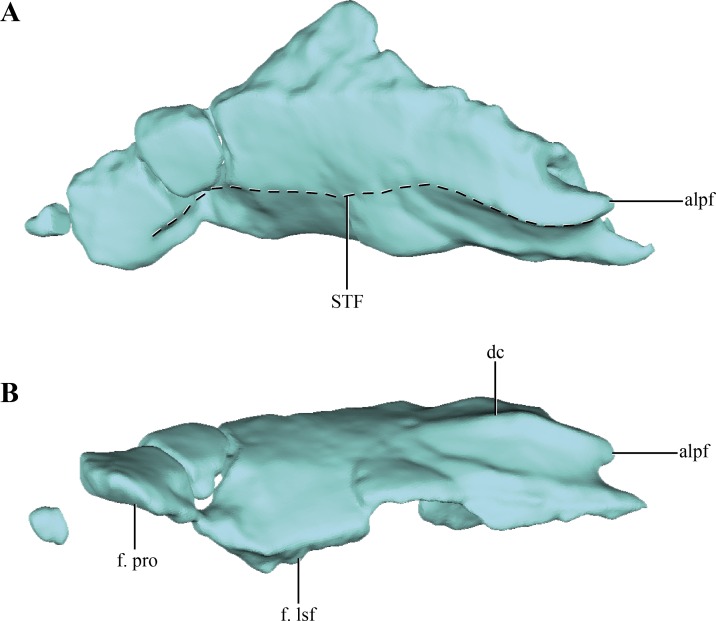
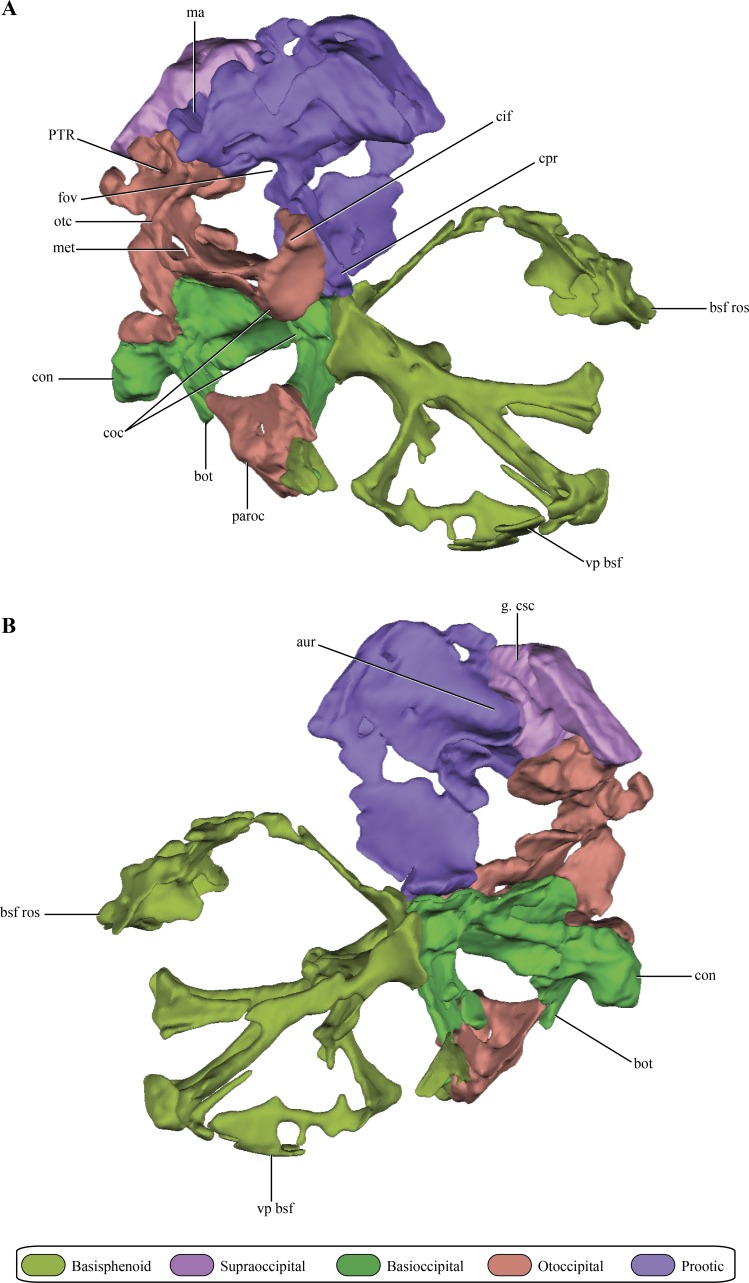
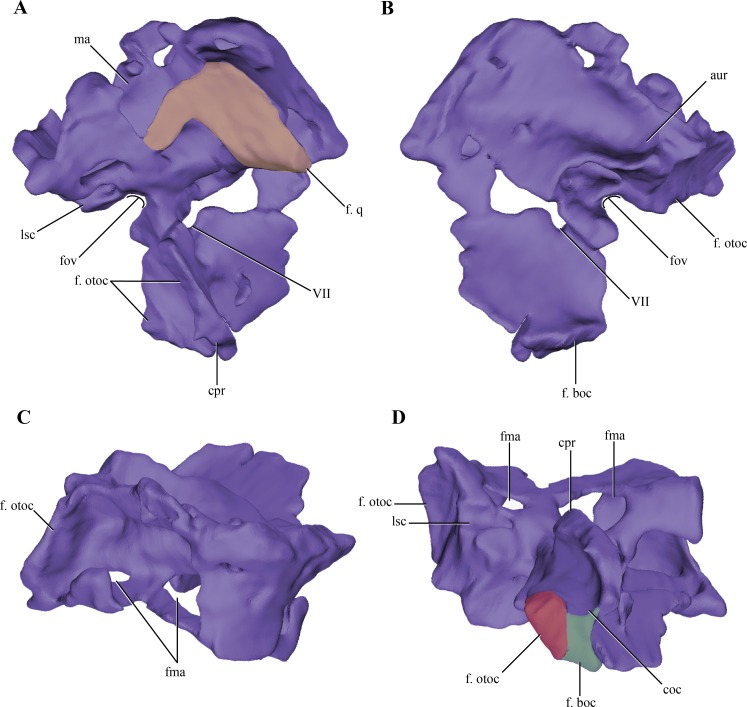
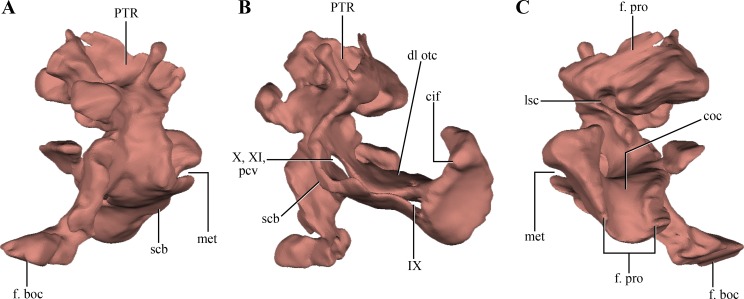
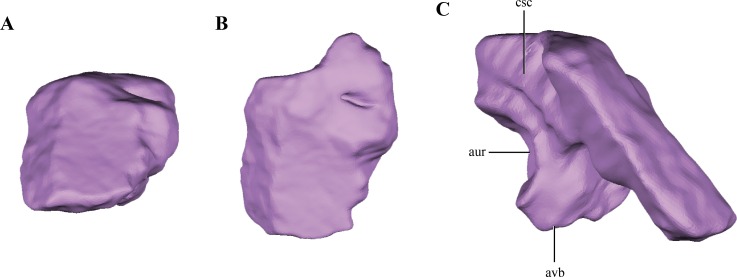
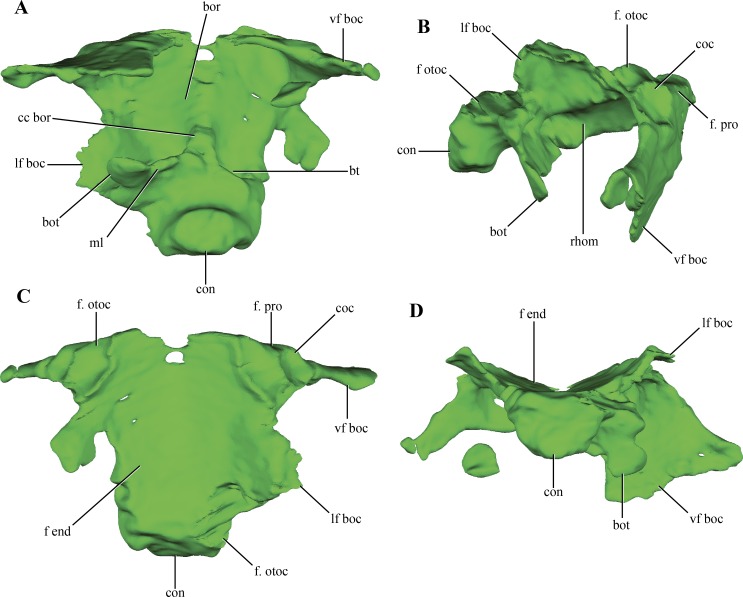
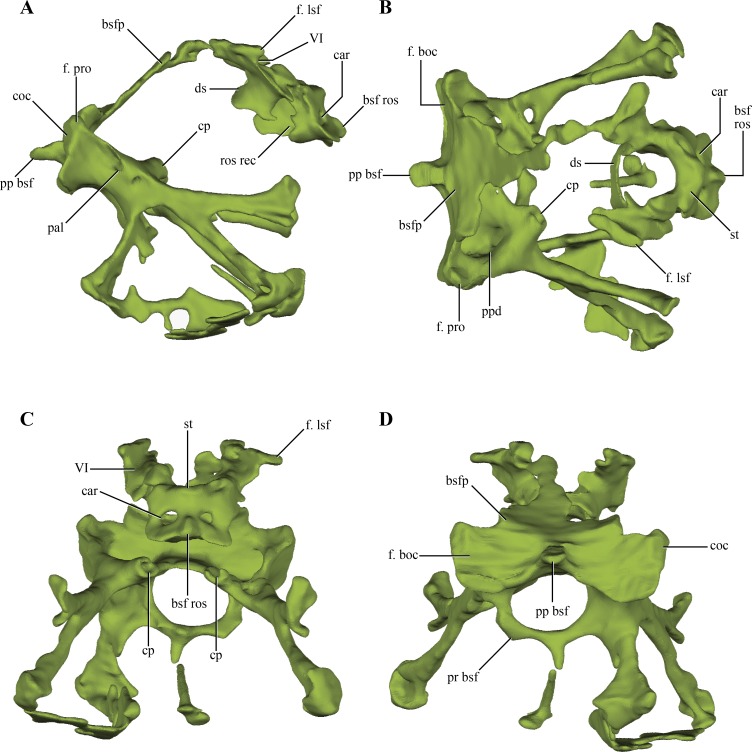
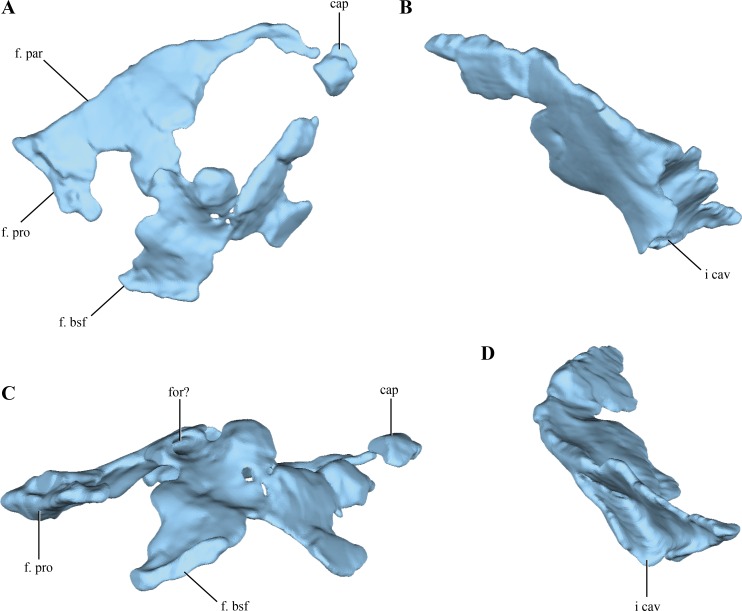
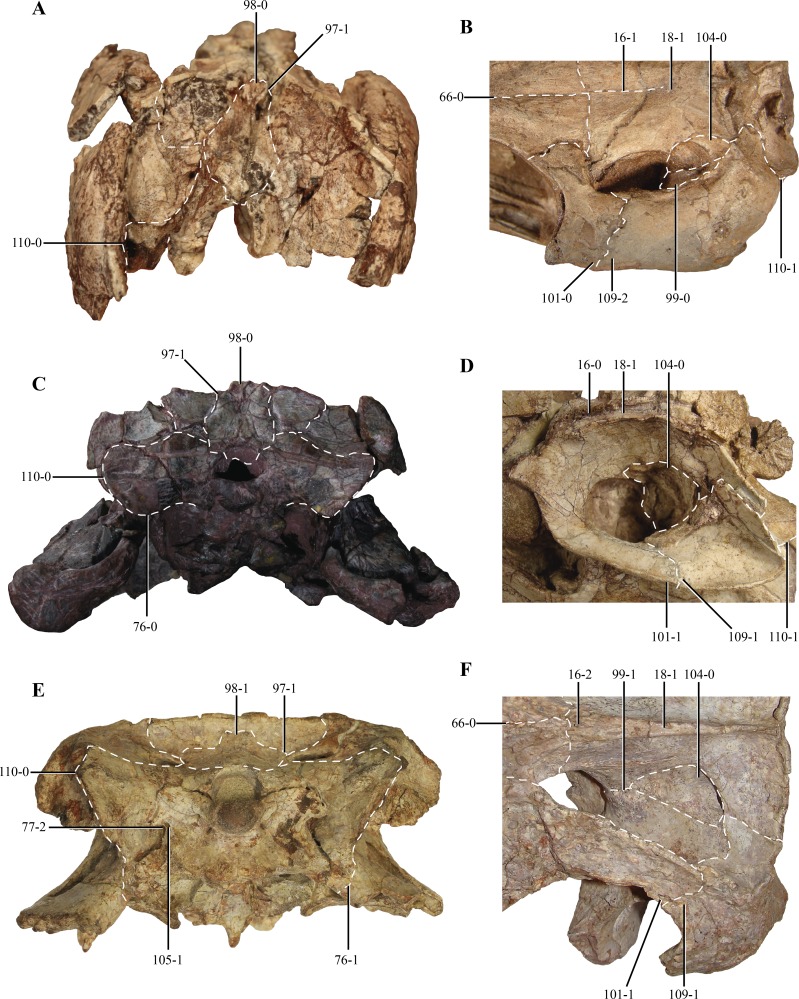
Due to the small size and delicate structures within the braincase, micro CT studies were performed on this specimen. The new anatomical information was incorporated in a phylogenetic dataset, expanding both character and taxon sampling.
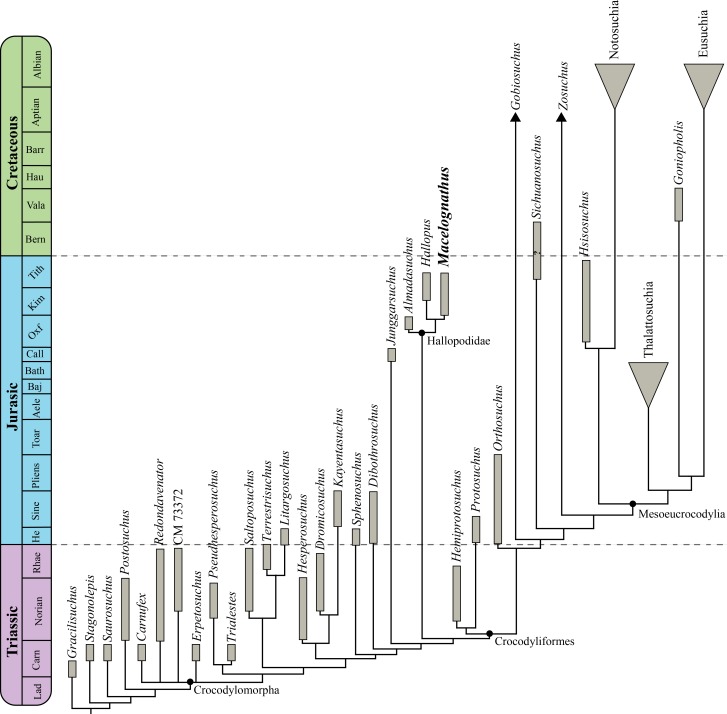
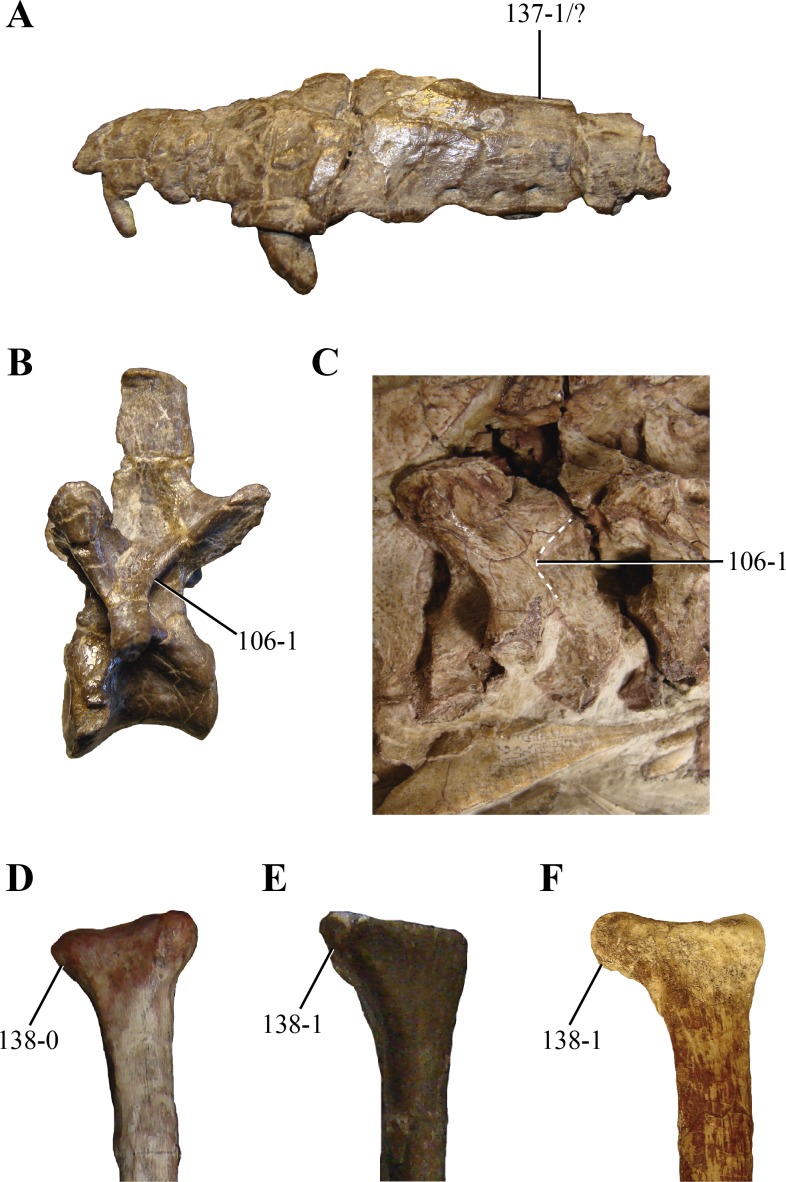
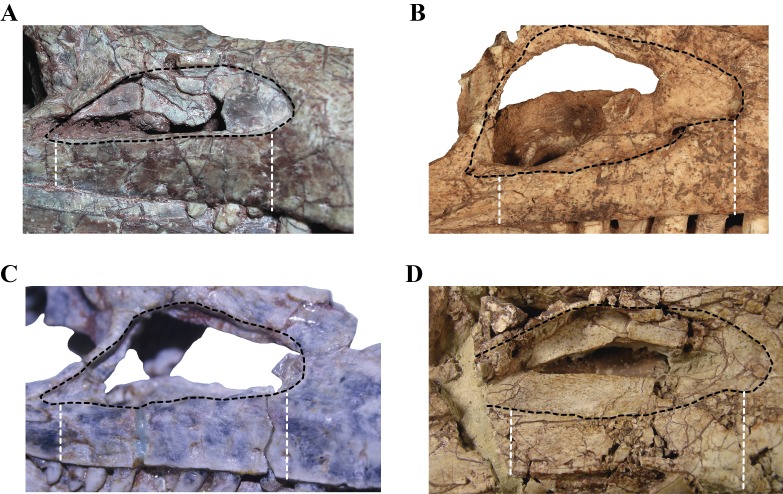
This new material reinforces the non-crocodyliform crocodylomorph affinities of as it bears a large otic aperture, unfused frontals and lacks ornamentation on the dorsal cranial bones. The internal structures also support these affinities as this specimen bears traits (i.e., heavily pneumatized and expanded basisphenoid; the presence of additional pneumatic features on the braincase; and the otoccipital-quadrate contact) not present in most basal crocodylomorphs. Furthermore, the presence of a wide supraoccipital and a cranioquadrate passage are traits shared with from the early Late Jurassic of Argentina. was recovered as one of the closest relatives of crocodyliforms, forming a clade (Hallopodidae) with two other Late Jurassic taxa ( and ).
The clade formed by + + , the Hallopodidae, is characterized by a higher degree of suturing of the braincase, posteriorly closed otic aperture (paralleled in mesoeucrocodylians) and cursorial adaptations. Also, the phylogenetic position of this lineage of derived crocodylomorphs as the sister group of Crocodyliformes implies a large amount of unsampled record (ghost lineage), at least 50 million years.
1884年,马什(Marsh)根据怀俄明州晚侏罗世莫里森组(Morrison Fm.)的化石首次将其描述为恐龙,1971年奥斯特罗姆(Ostrom)认为它与鳄鱼有亲缘关系。2005年,格利希(Göhlich)及其合作者将来自科罗拉多州的该物种新材料鉴定为基干鳄形类。然而,与下颌骨和颅后骨骼相关联发现的部分头骨未被描述。
由于该标本脑壳尺寸小且结构精细,对其进行了显微CT研究。新的解剖学信息被纳入系统发育数据集,扩大了特征和分类单元的采样。
这种新材料强化了它作为非鳄形类鳄形类的亲缘关系,因为它有一个大的耳孔、未愈合的额骨,且颅顶骨背面没有纹饰。内部结构也支持这些亲缘关系,因为该标本具有大多数基干鳄形类所没有的特征(即,高度充气且扩展的基蝶骨;脑壳上存在额外的充气特征;以及枕骨-方骨接触)。此外,宽阔的上枕骨和颅方通道的存在是与来自阿根廷晚侏罗世早期的 共有的特征。 被发现是鳄形类最亲近的亲属之一,与另外两个晚侏罗世分类单元( 和 )形成一个分支(哈洛足科(Hallopodidae))。
由 + + 组成的分支,即哈洛足科,其特征是脑壳缝合程度更高、耳孔向后闭合(中真鳄类也有类似情况)以及具有 cursorial 适应性。此外,这种衍生鳄形类谱系作为鳄形目的姐妹群的系统发育位置意味着至少有5000万年的大量未采样记录(幽灵谱系)。