Rani Shilpa, Sreenivasaiah Pradeep Kumar, Cho Chunghee, Kim Do Han
School of Life Sciences, Gwangju Institute of Science and Technology (GIST), Gwangju 61005, Korea.
Mol Cells. 2017 Jan;40(1):66-72. doi: 10.14348/molcells.2017.2259. Epub 2017 Jan 26.
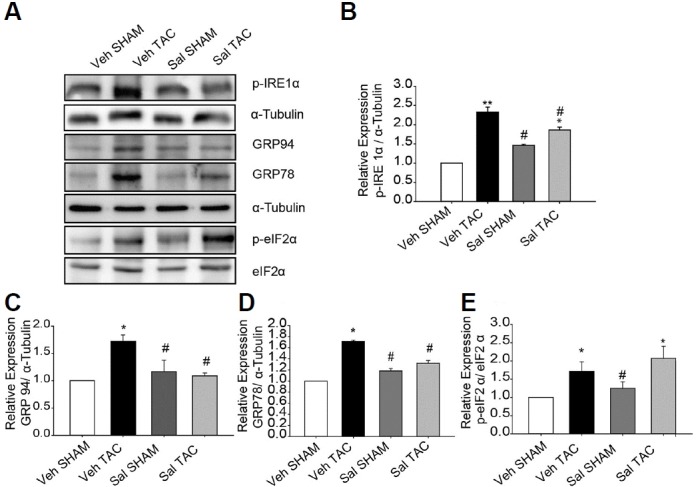
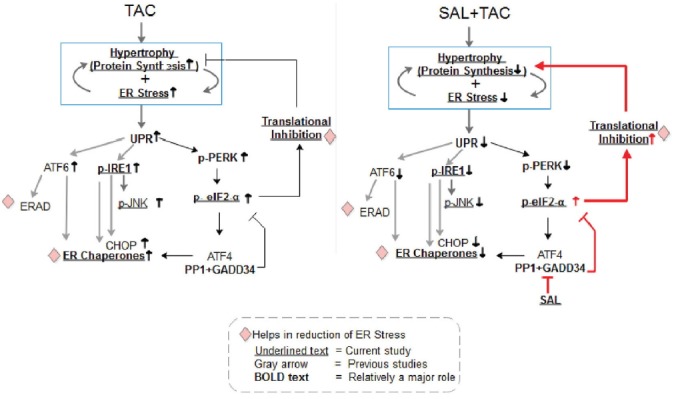
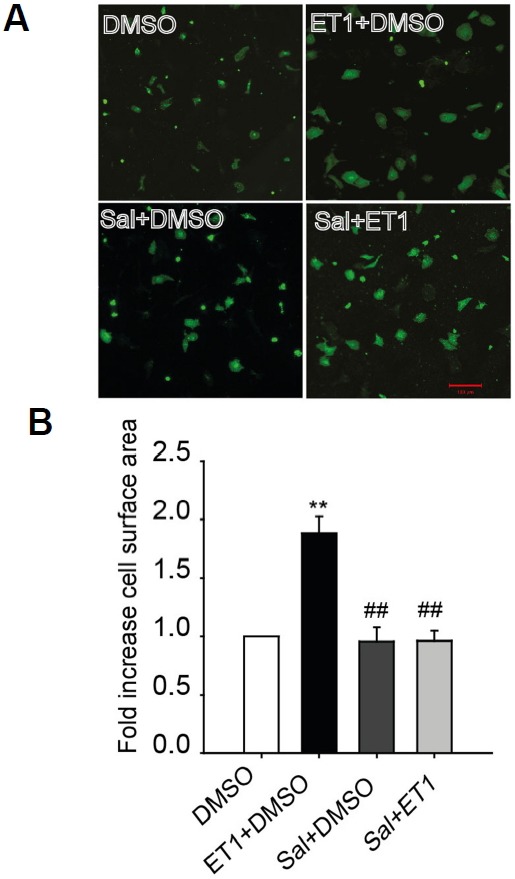
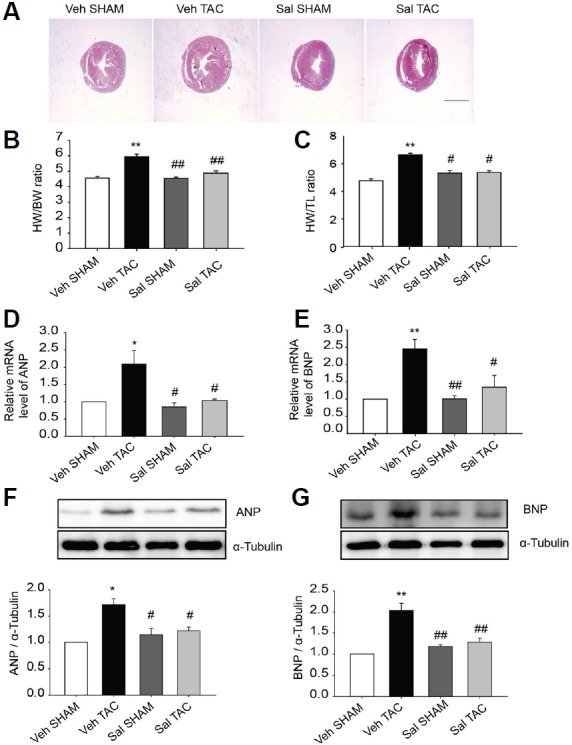
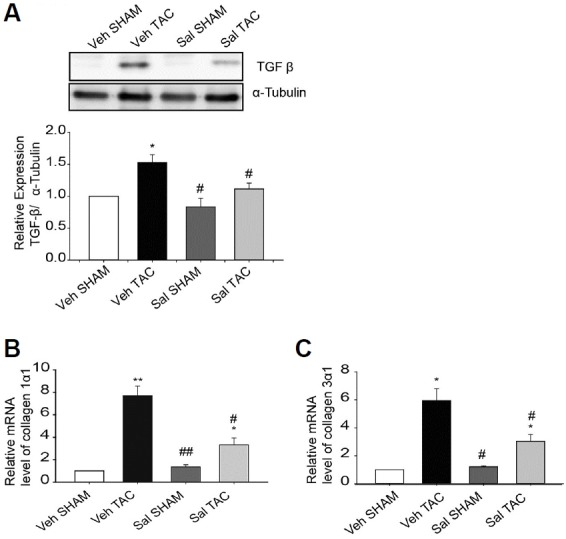
Pathological hypertrophy of the heart is closely associated with endoplasmic reticulum stress (ERS), leading to maladaptations such as myocardial fibrosis, induction of apoptosis, and cardiac dysfunctions. Salubrinal is a known selective inhibitor of protein phosphatase 1 (PP1) complex involving dephosphorylation of phospho-eukaryotic translation initiation factor 2 subunit (p-eIF2)-α, the key signaling process in the ERS pathway. In this study, the effects of salubrinal were examined on cardiac hypertrophy using the mouse model of transverse aortic constriction (TAC) and cell model of neonatal rat ventricular myocytes (NRVMs). Treatment of TAC-induced mice with salubrinal (0.5 mg·kg·day) alleviated cardiac hypertrophy and tissue fibrosis. Salubrinal also alleviated hypertrophic growth in endothelin 1 (ET1)-treated NRVMs. Therefore, the present results suggest that salubrinal may be a potentially efficacious drug for treating pathological cardiac remodeling.
心脏的病理性肥大与内质网应激(ERS)密切相关,会导致诸如心肌纤维化、细胞凋亡诱导和心脏功能障碍等适应不良。Salubrinal是一种已知的蛋白磷酸酶1(PP1)复合物的选择性抑制剂,涉及真核翻译起始因子2亚基磷酸化(p-eIF2)-α的去磷酸化,这是ERS途径中的关键信号传导过程。在本研究中,使用主动脉缩窄(TAC)小鼠模型和新生大鼠心室肌细胞(NRVMs)细胞模型研究了Salubrinal对心脏肥大的影响。用Salubrinal(0.5mg·kg·天)治疗TAC诱导的小鼠可减轻心脏肥大和组织纤维化。Salubrinal还减轻了内皮素1(ET1)处理的NRVMs中的肥大生长。因此,目前的结果表明,Salubrinal可能是一种治疗病理性心脏重塑的潜在有效药物。