Scheuerle Rebekah L, Bruggraber Sylvaine F A, Gerrard Stephen E, Kendall Richard A, Tuleu Catherine, Slater Nigel K H
Department of Chemical Engineering and Biotechnology, BioScience Engineering Research Group, University of Cambridge, New Museums Site, Pembroke Street, Cambridge, United Kingdom.
Biomineral Research Group, Medical Research Council Human Nutrition Research, Elsie Widdowson Laboratory, Cambridge, United Kingdom.
PLoS One. 2017 Feb 3;12(2):e0171624. doi: 10.1371/journal.pone.0171624. eCollection 2017.
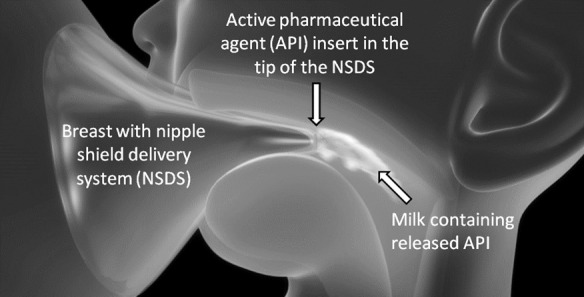
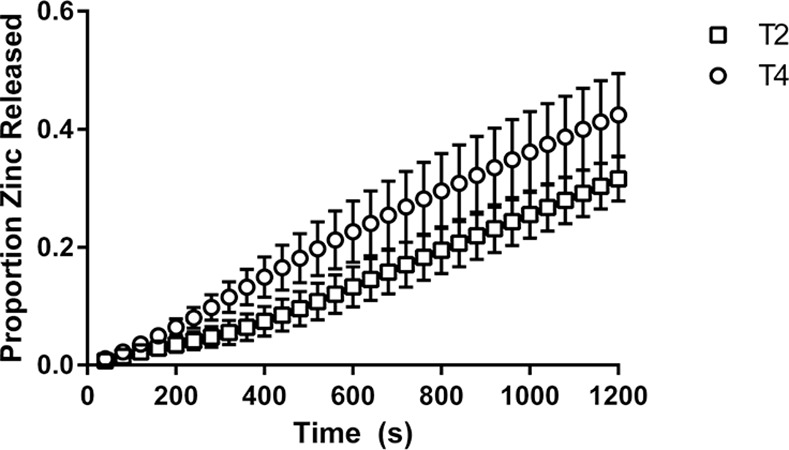
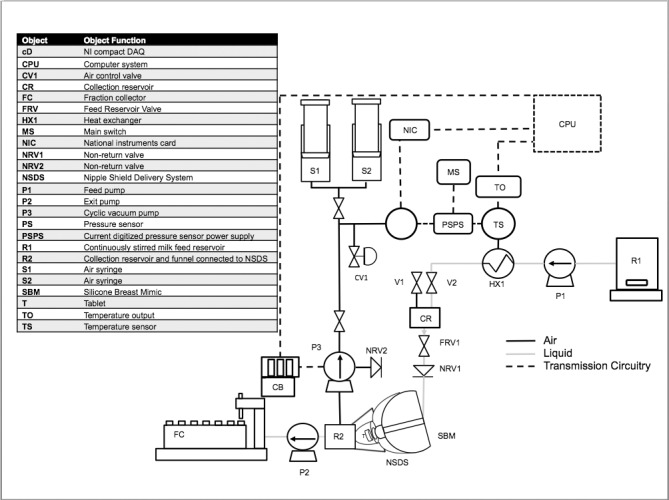
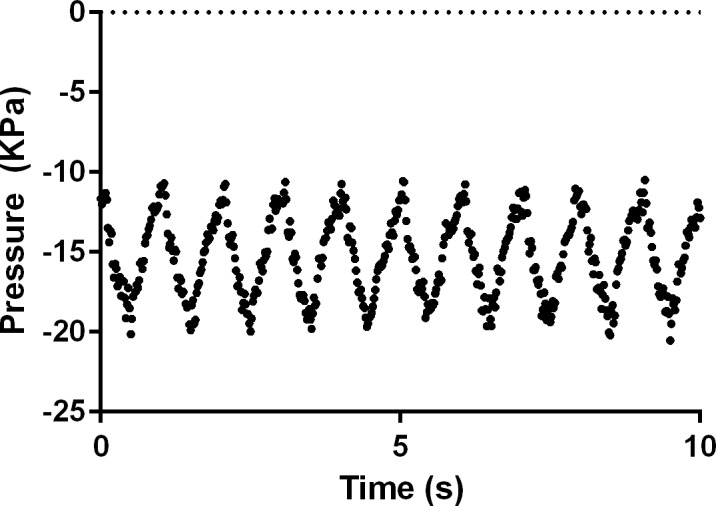
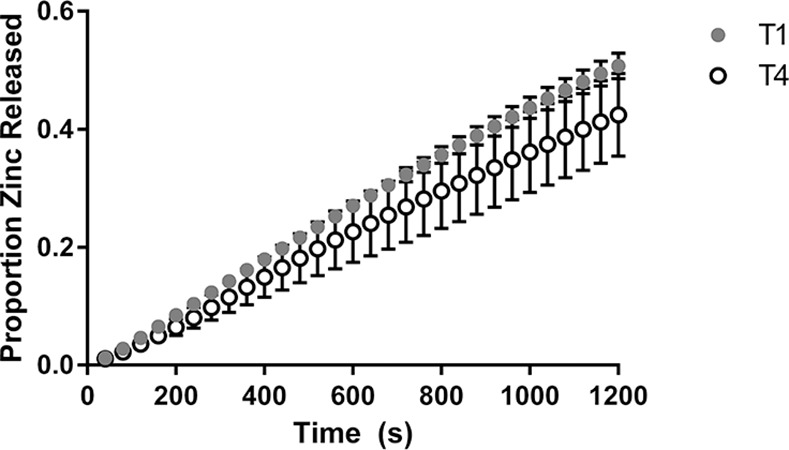
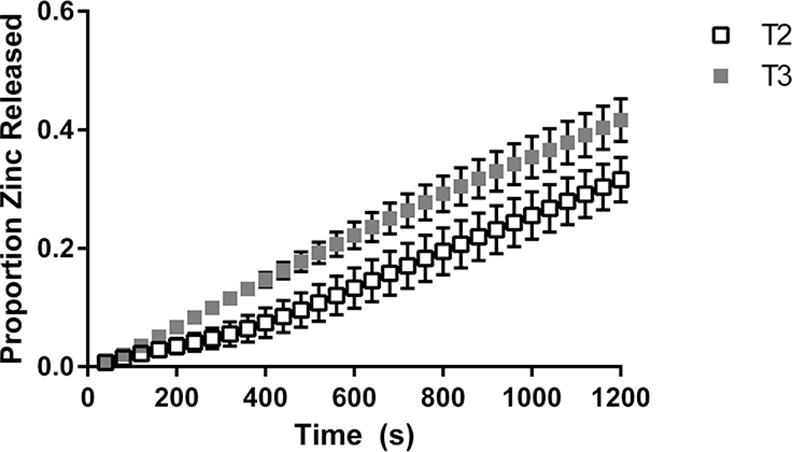
Zinc delivery from a nipple shield delivery system (NSDS), a novel platform for administering medicines to infants during breastfeeding, was characterised using a breastfeeding simulation apparatus. In this study, human milk at flow rates and pressures physiologically representative of breastfeeding passed through the NSDS loaded with zinc-containing rapidly disintegrating tablets, resulting in release of zinc into the milk. Inductively coupled plasma optical emission spectrometry was used to detect the zinc released, using a method that does not require prior digestion of the samples and that could be applied in other zinc analysis studies in breast milk. Four different types of zinc-containing tablets with equal zinc load but varying excipient compositions were tested in the NSDS in vitro. Zinc release measured over 20 minutes ranged from 32-51% of the loaded dose. Total zinc release for sets tablets of the same composition but differing hardness were not significantly different from one another with P = 0.3598 and P = 0.1270 for two tested pairs using unpaired t tests with Welch's correction. By the same test total zinc release from two sets of tablets having similar hardness but differing composition were also not significantly significant with P = 0.2634. Future zinc tablet composition and formulation optimisation could lead to zinc supplements and therapeutics with faster drug release, which could be administered with the NSDS during breastfeeding. The use of the NSDS to deliver zinc could then lead to treatment and prevention of some of the leading causes of child mortality, including diarrheal disease and pneumonia.
乳头罩给药系统(NSDS)是一种在母乳喂养期间给婴儿给药的新型平台,本研究使用母乳喂养模拟装置对其锌释放特性进行了表征。在本研究中,以母乳喂养时具有生理代表性的流速和压力的母乳通过装载含锌速崩片的NSDS,从而使锌释放到母乳中。使用电感耦合等离子体发射光谱法检测释放的锌,该方法无需对样品进行预先消化,且可应用于母乳中其他锌分析研究。在体外NSDS中测试了四种不同类型的含锌片剂,它们的锌含量相同,但辅料组成不同。在20分钟内测得的锌释放量为加载剂量的32%-51%。对于相同组成但硬度不同的片剂组,使用带有韦尔奇校正的非配对t检验,两组测试对的总锌释放量彼此之间无显著差异,P值分别为0.3598和0.1270。通过相同测试,硬度相似但组成不同的两组片剂的总锌释放量也无显著差异,P值为0.2634。未来锌片剂的组成和配方优化可能会带来药物释放更快的锌补充剂和治疗药物,在母乳喂养期间可通过NSDS给药。使用NSDS输送锌可能会导致对包括腹泻病和肺炎在内的一些主要儿童死亡原因进行治疗和预防。