Department of Environmental Health and Engineering, Johns Hopkins Bloomberg School of Public Health, 615 N Wolfe Street, Baltimore, MD 21205, United States.
Department of Internal Medicine, Center for Personalized Medicine and Genomics, University of South Florida Morsani College of Medicine, 12901 Bruce B. Downs Blvd., MDC 2, Tampa, FL 33612, United States; Department of Pharmacology and Physiology, Center for Personalized Medicine and Genomics, University of South Florida Morsani College of Medicine, 12901 Bruce B. Downs Blvd., MDC 2, Tampa, FL 33612, United States.
Cell Signal. 2018 Jan;41:82-88. doi: 10.1016/j.cellsig.2017.02.002. Epub 2017 Feb 4.
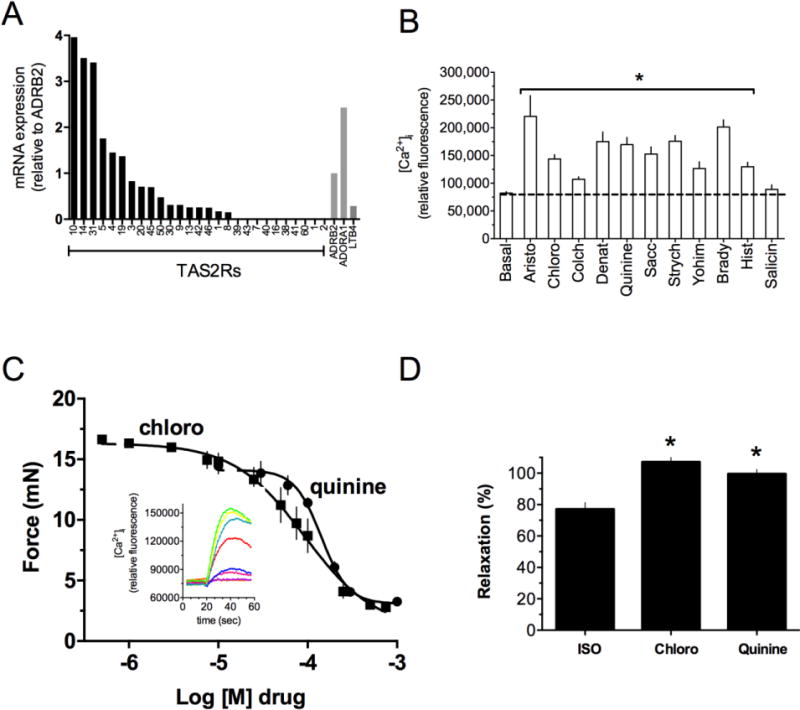
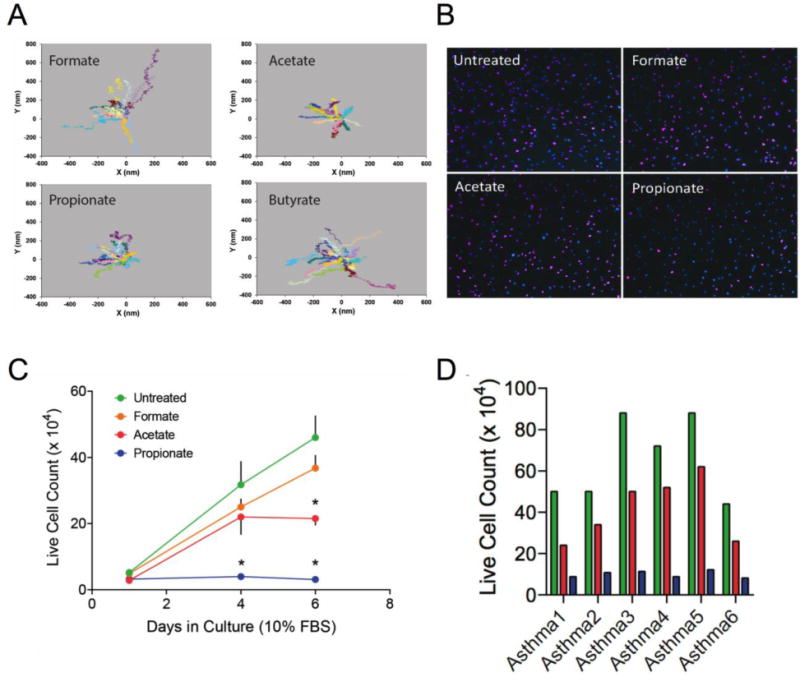
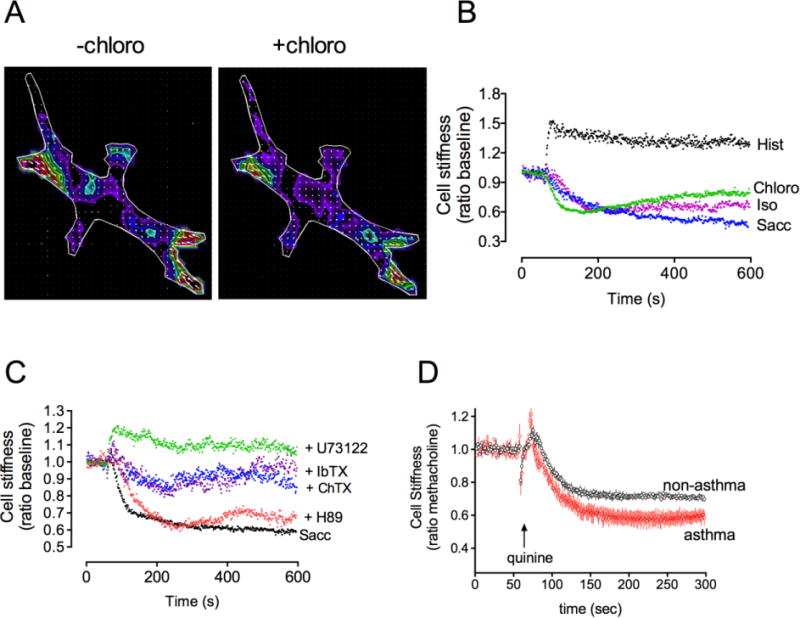
Taste and smell receptor expression has been traditionally limited to the tongue and nose. We have identified bitter taste receptors (TAS2Rs) and olfactory receptors (ORs) on human airway smooth muscle (HASM) cells. TAS2Rs signal to PLCβ evoking an increase in [Ca] causing membrane hyperpolarization and marked HASM relaxation ascertained by single cell, ex vivo, and in vivo methods. The presence of TAS2Rs in the lung was unexpected, as was the bronchodilatory function which has been shown to be due to signaling within specific microdomains of the cell. Unlike β-adrenergic receptor-mediated bronchodilation, TAS2R function is not impaired in asthma and shows little tachyphylaxis. HASM ORs do not bronchodilate, but rather modulate cytoskeletal remodeling and hyperplasia, two cardinal features of asthma. We have shown that short chain fatty acids, byproducts of fermentation of polysaccharides by the gut microbiome, activate HASM ORs. This establishes a non-immune gut-lung mechanism that ties observations on gut microbial communities to asthma phenotypes. Subsequent studies by multiple investigators have revealed expression and specialized functions of TAS2Rs and ORs in multiple cell-types and organs throughout the body. Collectively, the data point towards a previously unrecognized chemosensory system which recognizes endogenous and exogenous agonists. These receptors and their ligands play roles in normal homeostatic functions, predisposition or adaptation to disease, and represent drug targets for novel therapeutics.
味觉和嗅觉受体的表达传统上仅限于舌和鼻。我们已经在人类气道平滑肌 (HASM) 细胞上鉴定出苦味受体 (TAS2R) 和嗅觉受体 (OR)。TAS2R 通过 PLCβ 信号传递,引起 [Ca] 的增加,导致细胞膜超极化和 HASM 的明显松弛,这已通过单细胞、离体和体内方法得到证实。肺中存在 TAS2R 是出乎意料的,因为已经证明其具有支气管扩张作用,这是由于细胞内特定微域内的信号传导所致。与β-肾上腺素能受体介导的支气管扩张不同,TAS2R 功能在哮喘中不受影响,并且表现出很少的快速脱敏现象。HASM OR 不具有支气管扩张作用,而是调节细胞骨架重塑和增生,这是哮喘的两个主要特征。我们已经表明,肠道微生物组发酵多糖的短链脂肪酸激活 HASM OR。这建立了一个非免疫性的肠-肺机制,将肠道微生物群落的观察结果与哮喘表型联系起来。随后,多位研究人员的研究揭示了 TAS2R 和 OR 在全身多个细胞类型和器官中的表达和特殊功能。总的来说,这些数据指向了一个以前未被认识的化学感觉系统,该系统识别内源性和外源性激动剂。这些受体及其配体在正常的体内平衡功能、疾病的易感性或适应性中发挥作用,并代表了新型治疗药物的药物靶点。