Department of Pediatrics, Jikei University School of Medicine, Tokyo, Japan.
Division of Gene Therapy, Research Center for Medical Sciences, Jikei University School of Medicine, Tokyo, Japan.
Stem Cells Transl Med. 2017 Jan;6(1):31-39. doi: 10.5966/sctm.2015-0409. Epub 2016 Aug 18.
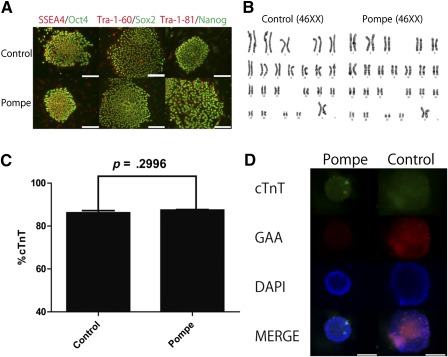
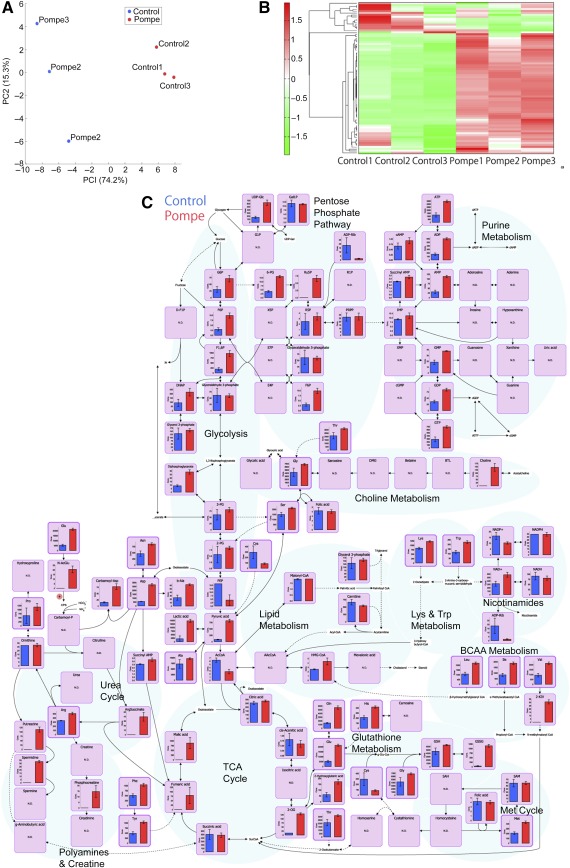
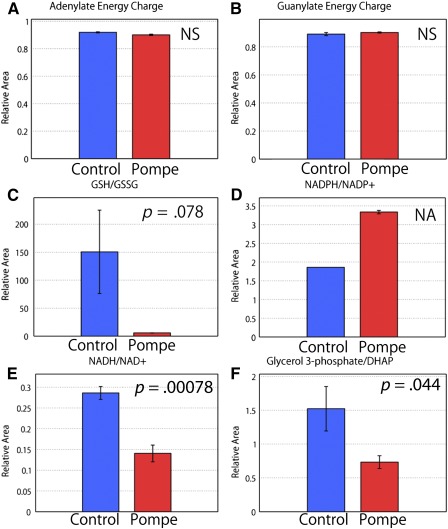
Pompe disease (PD) is a lysosomal storage disease that is caused by a deficiency of the acid α-glucosidase, which results in glycogen accumulation in the lysosome. The major clinical symptoms of PD include skeletal muscle weakness, respiratory failure, and cardiac hypertrophy. Based on its severity and symptom onset, PD is classified into infantile and late-onset forms. Lysosomal accumulation of glycogen can promote many types of cellular dysfunction, such as autophagic dysfunction, endoplasmic reticulum stress, and abnormal calcium signaling within skeletal muscle. However, the disease mechanism underlying PD cardiomyopathy is not fully understood. Several researchers have shown that PD induced pluripotent stem cell (iPSC)-derived cardiomyocytes successfully replicate the disease phenotype and are useful disease models. We have analyzed the metabolomic profile of late-onset PD iPSC-derived cardiomyocytes and found that oxidative stress and mitochondrial dysfunction are likely associated with cardiac complications. Furthermore, we have validated that these disease-specific changes were also observed in the cardiomyocytes and skeletal muscle of a genetically engineered murine PD model. Oxidative stress may contribute to skeletal muscle and cardiomyocyte dysfunction in PD mice; however, NF-E2-related factor 2 was downregulated in cardiomyocytes and skeletal muscle, despite evidence of oxidative stress. We hypothesized that oxidative stress and an impaired antioxidative stress response mechanism may underlie the molecular pathology of late-onset PD. Stem Cells Translational Medicine 2017;6:31-39.
庞贝病(PD)是一种溶酶体贮积病,由酸性α-葡萄糖苷酶缺乏引起,导致溶酶体中糖原积累。PD 的主要临床症状包括骨骼肌无力、呼吸衰竭和心脏肥大。根据其严重程度和症状发作,PD 分为婴儿型和迟发型。溶酶体中糖原的积累会促进多种细胞功能障碍,如自噬功能障碍、内质网应激和骨骼肌内异常钙信号转导。然而,PD 心肌病的发病机制尚不完全清楚。一些研究人员已经表明,PD 诱导多能干细胞(iPSC)衍生的心肌细胞成功复制了疾病表型,是有用的疾病模型。我们分析了迟发型 PD iPSC 衍生的心肌细胞的代谢组学特征,发现氧化应激和线粒体功能障碍可能与心脏并发症有关。此外,我们已经验证了这些疾病特异性变化也在基因工程 PD 小鼠模型的心肌细胞和骨骼肌中观察到。氧化应激可能导致 PD 小鼠的骨骼肌和心肌细胞功能障碍;然而,尽管存在氧化应激的证据,NF-E2 相关因子 2 在心肌细胞和骨骼肌中下调。我们假设氧化应激和受损的抗氧化应激反应机制可能是迟发型 PD 的分子病理学基础。《干细胞转化医学》2017 年;6:31-39。