Department of Medical Genetics, Faculty of Medicine, University of Tsukuba, Tsukuba, Ibaraki, Japan.
PLoS One. 2012;7(8):e42855. doi: 10.1371/journal.pone.0042855. Epub 2012 Aug 13.
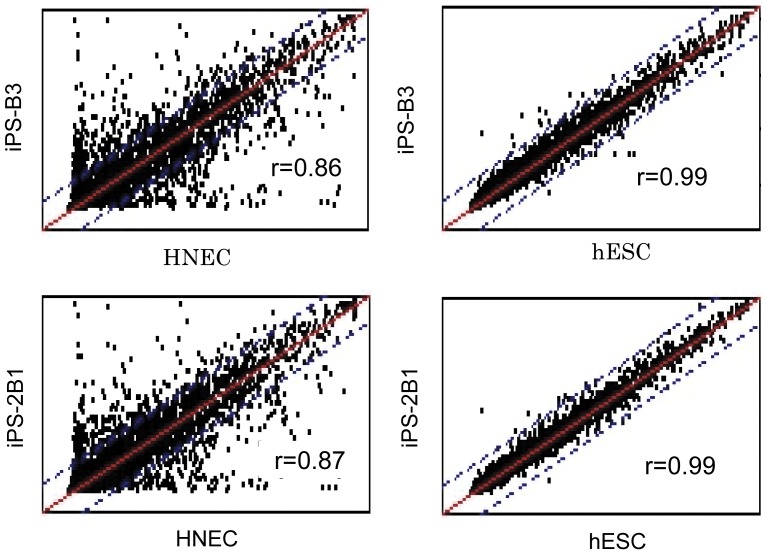
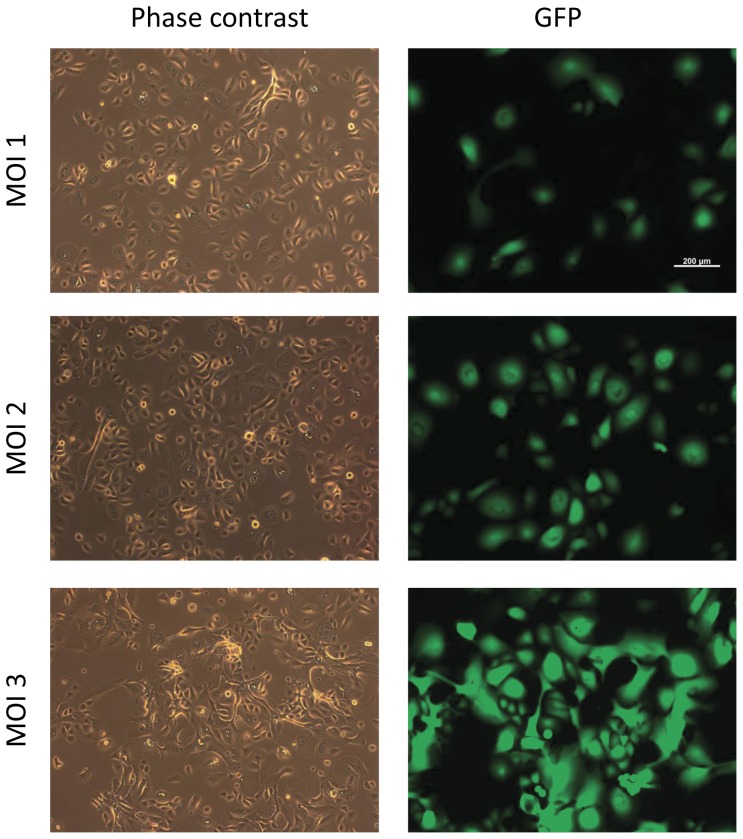
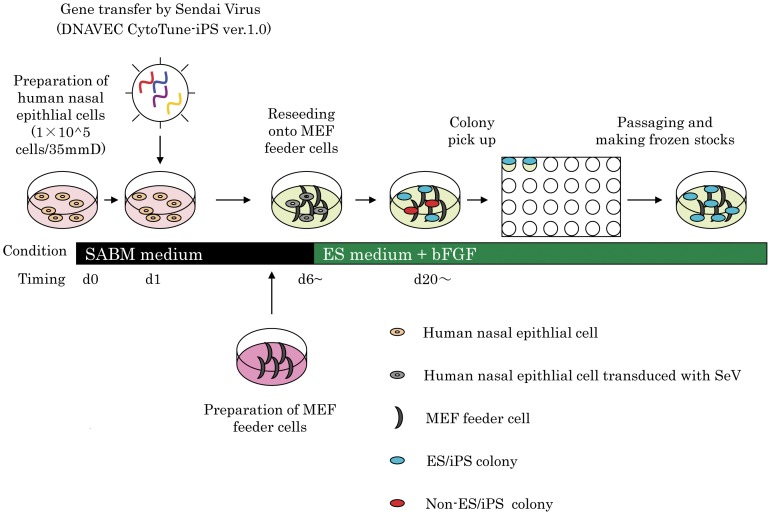
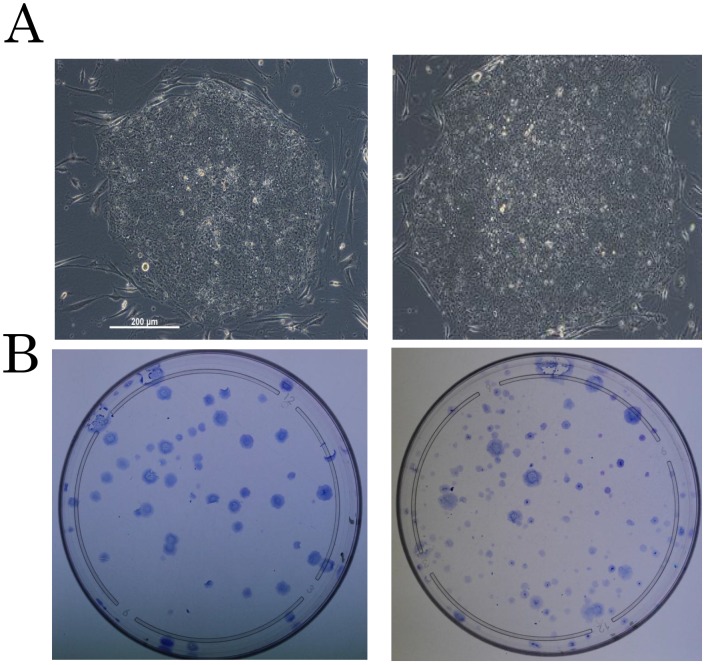
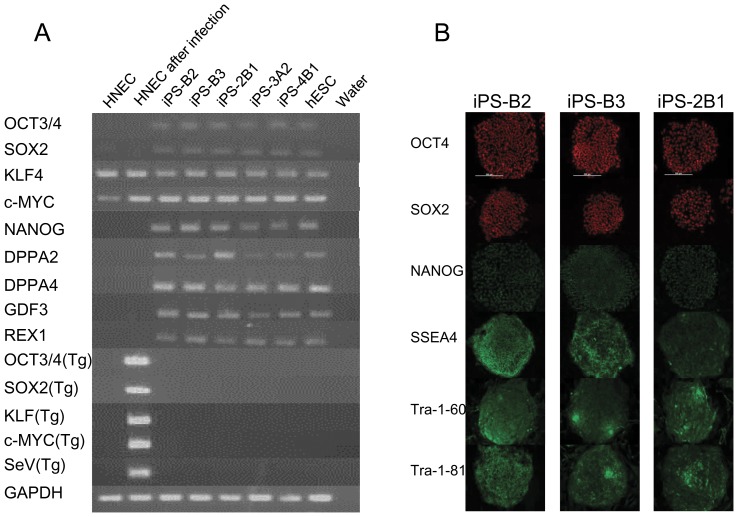
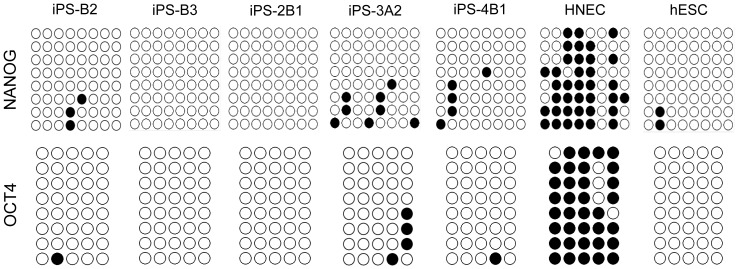
The generation of induced pluripotent stem cells (iPSCs) by introducing reprogramming factors into somatic cells is a promising method for stem cell therapy in regenerative medicine. Therefore, it is desirable to develop a minimally invasive simple method to create iPSCs. In this study, we generated human nasal epithelial cells (HNECs)-derived iPSCs by gene transduction with Sendai virus (SeV) vectors. HNECs can be obtained from subjects in a noninvasive manner, without anesthesia or biopsy. In addition, SeV carries no risk of altering the host genome, which provides an additional level of safety during generation of human iPSCs. The multiplicity of SeV infection ranged from 3 to 4, and the reprogramming efficiency of HNECs was 0.08-0.10%. iPSCs derived from HNECs had global gene expression profiles and epigenetic states consistent with those of human embryonic stem cells. The ease with which HNECs can be obtained, together with their robust reprogramming characteristics, will provide opportunities to investigate disease pathogenesis and molecular mechanisms in vitro, using cells with particular genotypes.
通过向体细胞中引入重编程因子来生成诱导多能干细胞(iPSCs)是再生医学中干细胞治疗的一种很有前途的方法。因此,开发一种微创简单的方法来创建 iPSCs 是很有必要的。在这项研究中,我们通过使用仙台病毒(SeV)载体进行基因转导,生成了源自人鼻上皮细胞(HNECs)的 iPSCs。HNECs 可以通过非侵入性的方式从受试者中获得,无需麻醉或活检。此外,SeV 不会改变宿主基因组,这在生成人 iPSCs 时提供了额外的安全性。SeV 感染的倍数范围为 3 到 4,HNECs 的重编程效率为 0.08-0.10%。源自 HNECs 的 iPSCs 具有与人类胚胎干细胞一致的全局基因表达谱和表观遗传状态。HNECs 易于获得,并且具有强大的重编程特性,这将为使用具有特定基因型的细胞在体外研究疾病发病机制和分子机制提供机会。