Reimegård Johan, Kundu Snehangshu, Pendle Ali, Irish Vivian F, Shaw Peter, Nakayama Naomi, Sundström Jens F, Emanuelsson Olof
Science for Life Laboratory, School of Biotechnology, Division of Gene Technology, KTH Royal Institute of Technology, Solna SE-171 65, Sweden.
Department of Plant Biology, Uppsala BioCenter, Linnean Center for Plant Biology, Swedish University of Agricultural Sciences, Uppsala SE-750 07, Sweden.
Nucleic Acids Res. 2017 Apr 7;45(6):3253-3265. doi: 10.1093/nar/gkx087.
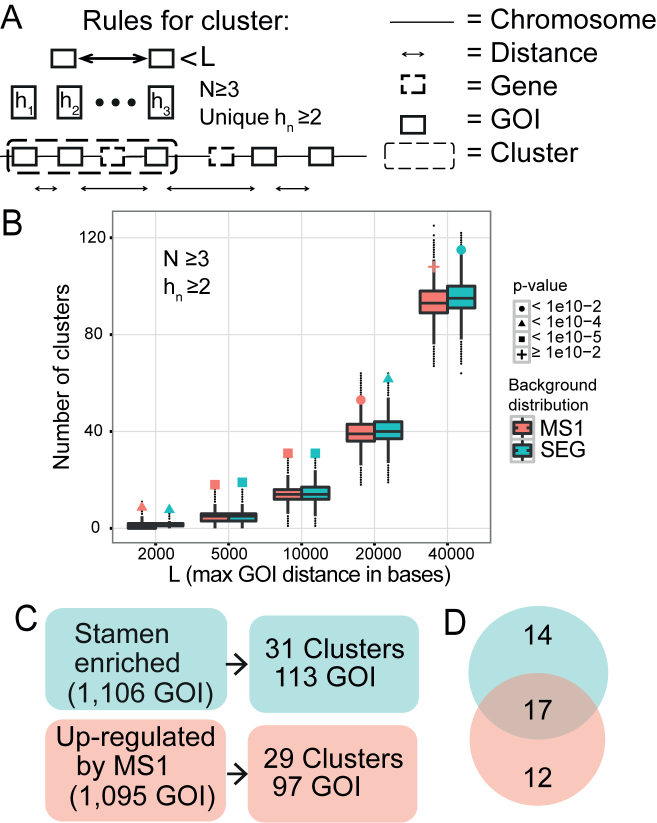
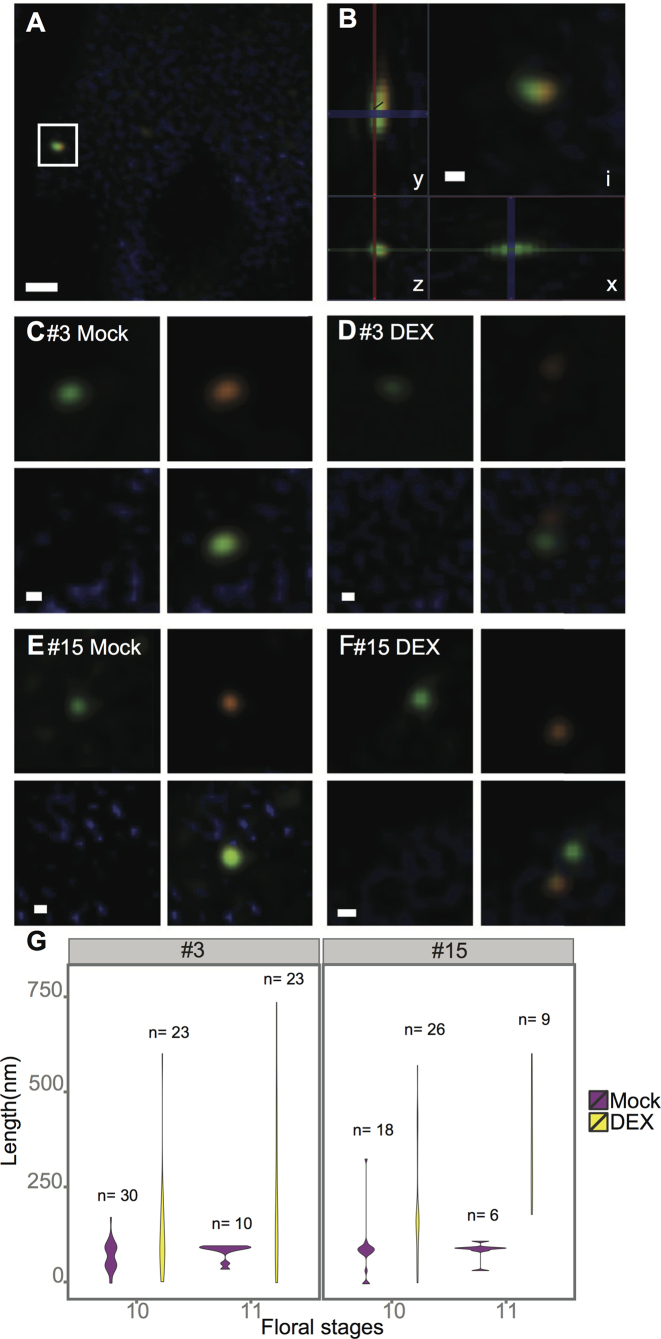
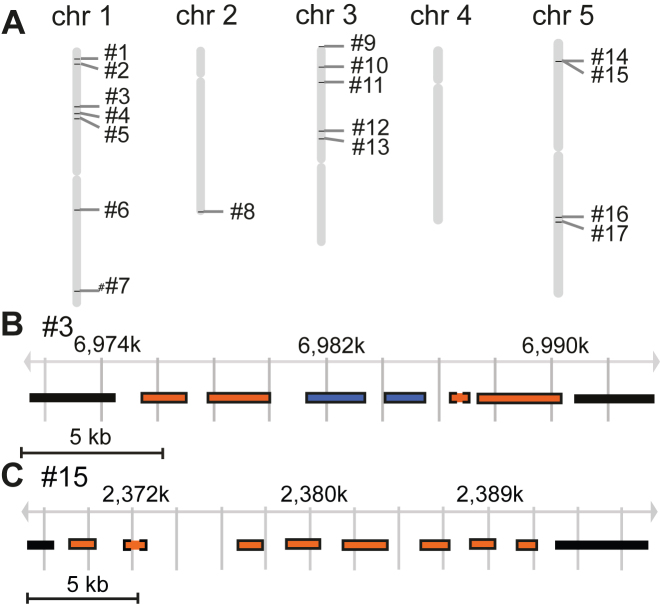
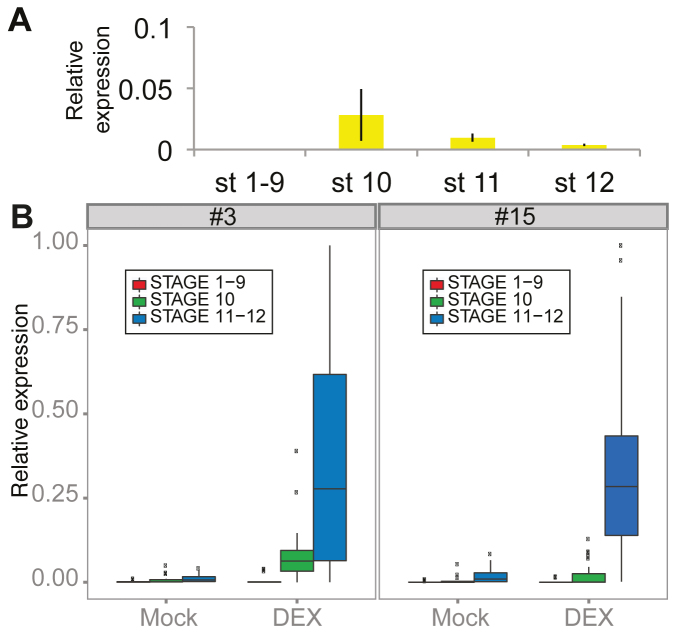
Co-expression of physically linked genes occurs surprisingly frequently in eukaryotes. Such chromosomal clustering may confer a selective advantage as it enables coordinated gene regulation at the chromatin level. We studied the chromosomal organization of genes involved in male reproductive development in Arabidopsis thaliana. We developed an in-silico tool to identify physical clusters of co-regulated genes from gene expression data. We identified 17 clusters (96 genes) involved in stamen development and acting downstream of the transcriptional activator MS1 (MALE STERILITY 1), which contains a PHD domain associated with chromatin re-organization. The clusters exhibited little gene homology or promoter element similarity, and largely overlapped with reported repressive histone marks. Experiments on a subset of the clusters suggested a link between expression activation and chromatin conformation: qRT-PCR and mRNA in situ hybridization showed that the clustered genes were up-regulated within 48 h after MS1 induction; out of 14 chromatin-remodeling mutants studied, expression of clustered genes was consistently down-regulated only in hta9/hta11, previously associated with metabolic cluster activation; DNA fluorescence in situ hybridization confirmed that transcriptional activation of the clustered genes was correlated with open chromatin conformation. Stamen development thus appears to involve transcriptional activation of physically clustered genes through chromatin de-condensation.
在真核生物中,物理上相连的基因共表达现象出人意料地频繁发生。这种染色体聚类可能赋予一种选择优势,因为它能在染色质水平实现基因的协同调控。我们研究了拟南芥中参与雄性生殖发育的基因的染色体组织。我们开发了一种计算机工具,用于从基因表达数据中识别共调控基因的物理聚类。我们鉴定出17个与雄蕊发育相关且在转录激活因子MS1(雄性不育1)下游起作用的聚类(96个基因),MS1含有一个与染色质重组相关的PHD结构域。这些聚类几乎没有基因同源性或启动子元件相似性,并且很大程度上与已报道的抑制性组蛋白标记重叠。对部分聚类的实验表明表达激活与染色质构象之间存在联系:qRT-PCR和mRNA原位杂交显示,MS1诱导后48小时内,聚类基因被上调;在研究的14个染色质重塑突变体中,仅在先前与代谢聚类激活相关的hta9/hta11中,聚类基因的表达持续下调;DNA荧光原位杂交证实,聚类基因的转录激活与开放染色质构象相关。因此,雄蕊发育似乎涉及通过染色质去浓缩对物理聚类基因进行转录激活。