Wu Jianhui, Zhao Ming, Wang Yuji, Wang Yaonan, Zhu Haimei, Zhao Shurui, Gui Lin, Zhang Xiaoyi, Peng Shiqi
Beijing Area Major Laboratory of Peptide and Small Molecular Drugs; Engineering Research Center of Endogenous Prophylactic, Ministry of Education of China; Beijing Laboratory of Biomedical Materials; College of Pharmaceutical Sciences, Capital Medical University, Beijing, People's Republic of China.
Beijing Area Major Laboratory of Peptide and Small Molecular Drugs; Engineering Research Center of Endogenous Prophylactic, Ministry of Education of China; Beijing Laboratory of Biomedical Materials; College of Pharmaceutical Sciences, Capital Medical University, Beijing, People's Republic of China; Department of Biomedical Science and Environmental Biology, Kaohsiung Medical University, Kaohsiung, Taiwan, Republic of China.
Drug Des Devel Ther. 2017 Jan 17;11:225-239. doi: 10.2147/DDDT.S123919. eCollection 2017.
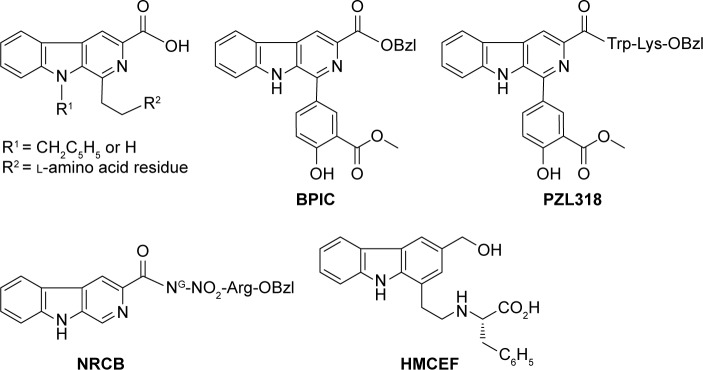
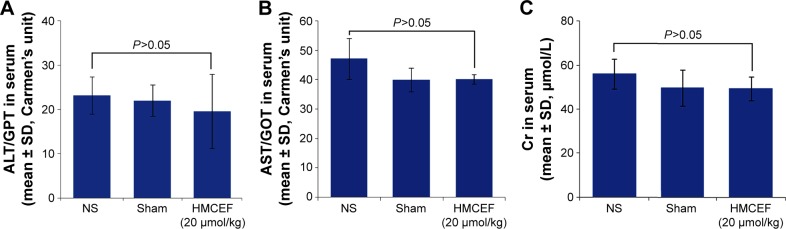
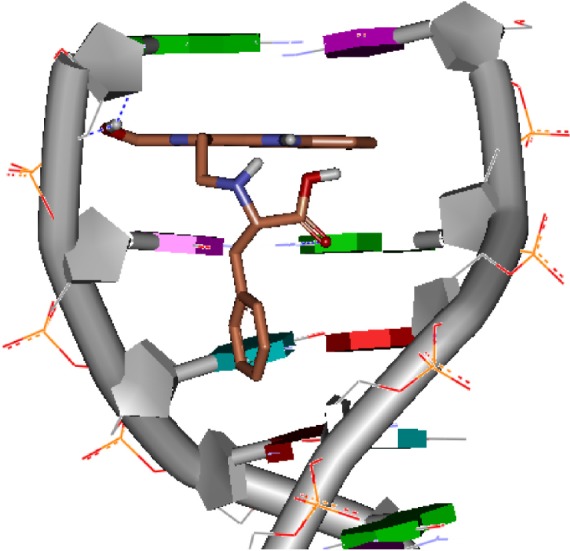
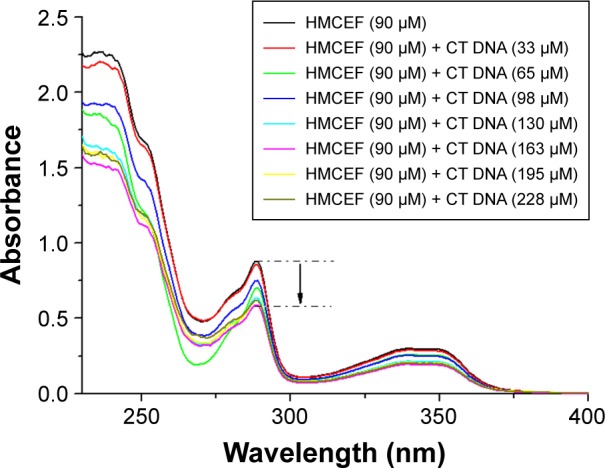
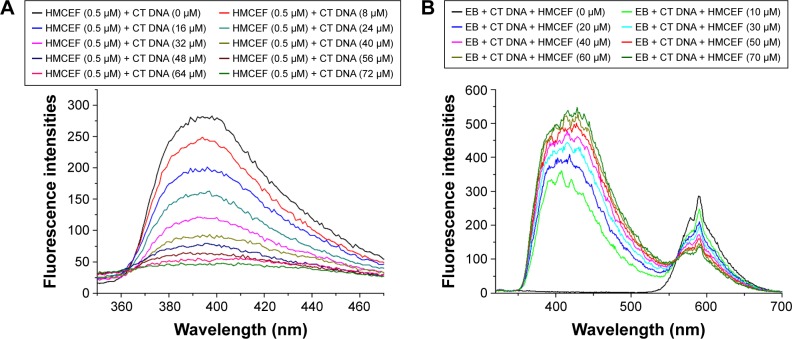
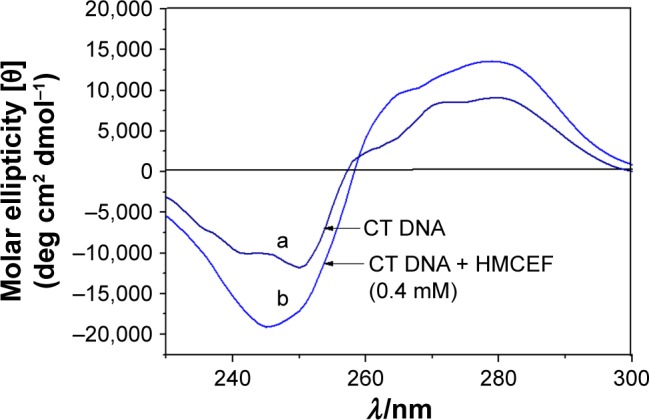
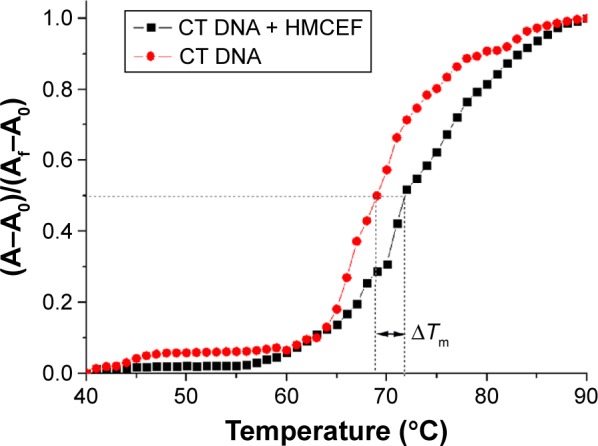
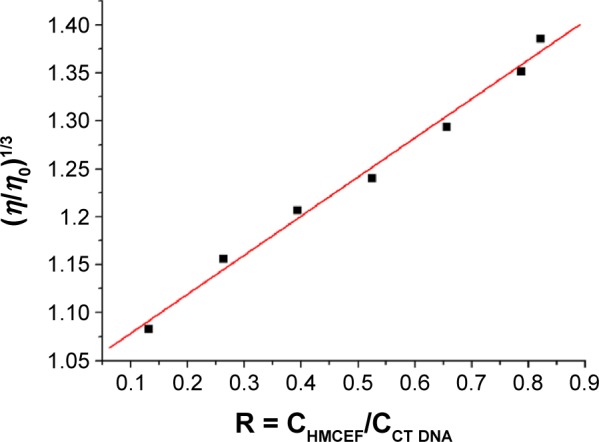
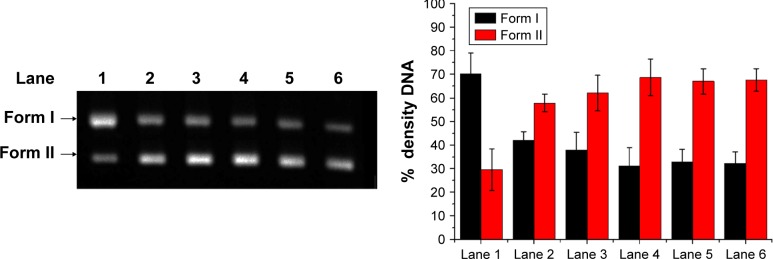
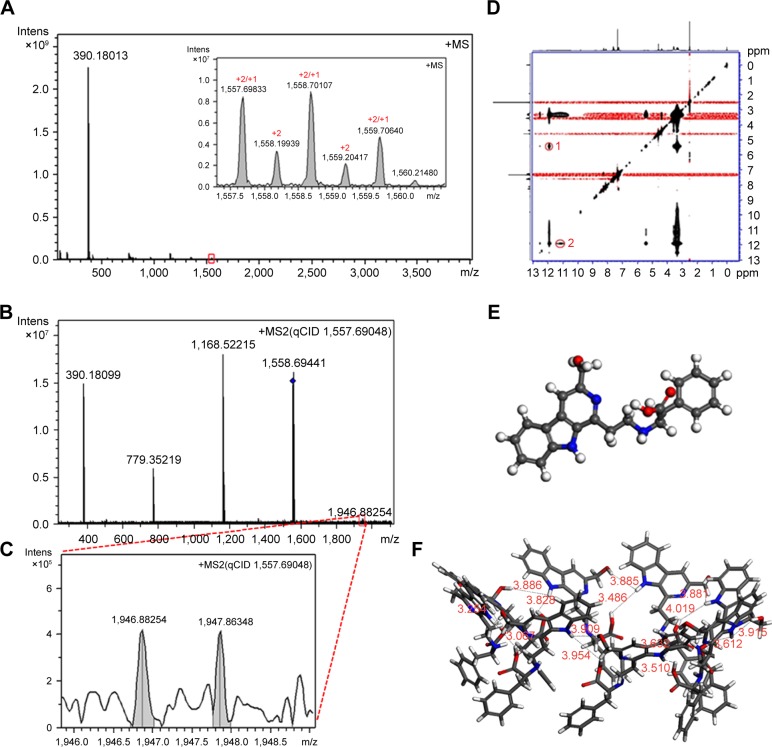
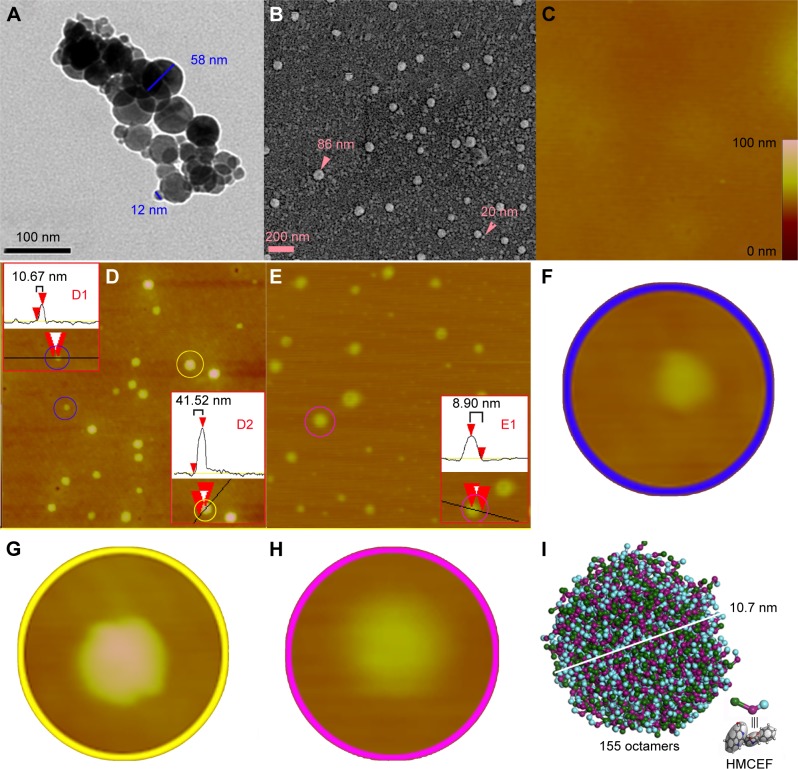
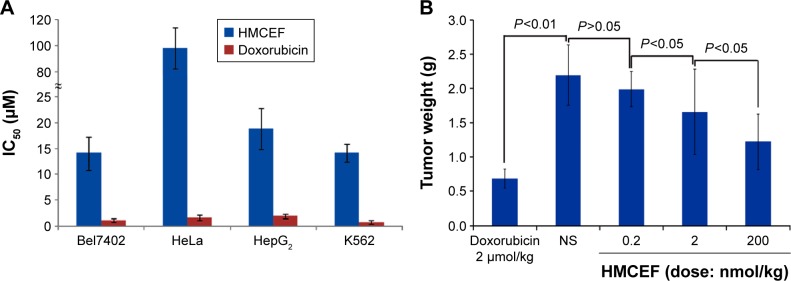
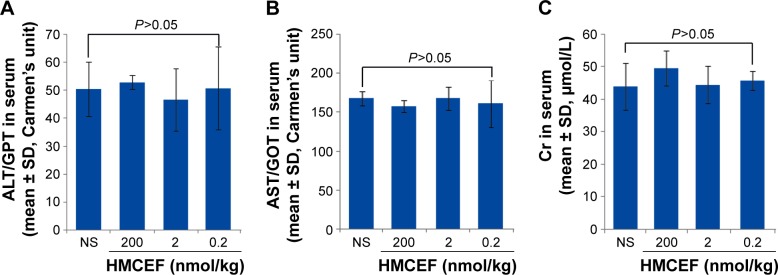
It is well documented that the surfaces of cancer cells, activated platelets and inflammatory cells are rich in P-selectin. -(3-hydroxymethyl-β-carboline-1-yl-ethyl-2-yl)-l-Phe (HMCEF) is a P-selectin inhibitor capable of simultaneously inhibiting thrombosis and inflammation. Based on the knowledge that P-selectin is a common target for antithrombotic, anti-inflammatory and antitumor drugs, the aim of this study article was to estimate the possibility of HMCEF as a nanoscaled antitumor drug. Images of transmission electron micro scopy, scanning electron microscopy and atomic force microscopy proved that HMCEF forms nanoparticles with a diameter of <120 nm that promote delivery in blood circulation. In vitro HMCEF intercalates into calf thymus DNA, cuts off DNA pBR22 and inhibits the proliferation of cancer cells. In vivo HMCEF dose dependently (0.2, 2 and 200 nmol/kg per day) slows tumor growth in treated S180 mice, and has a minimal effective dose of 2 nmol/kg per day. At 200 nmol/kg per day, HMCEF does not affect the liver and the kidney of the treated S180 mice, and at 20,000 nmol/kg HMCEF does not affect the liver and the kidney of the treated healthy ICR mice. HMCEF is a promising antitumor drug, which is characterized by its high safety and efficacy in the prevention of the complications of thrombosis and inflammation in patients.
已有充分文献证明,癌细胞、活化血小板和炎症细胞的表面富含P-选择素。-(3-羟甲基-β-咔啉-1-基-乙基-2-基)-L-苯丙氨酸(HMCEF)是一种能够同时抑制血栓形成和炎症的P-选择素抑制剂。基于P-选择素是抗血栓、抗炎和抗肿瘤药物的共同靶点这一认识,本研究文章的目的是评估HMCEF作为纳米级抗肿瘤药物的可能性。透射电子显微镜、扫描电子显微镜和原子力显微镜图像证明,HMCEF形成直径<120 nm的纳米颗粒,促进其在血液循环中的递送。在体外,HMCEF插入小牛胸腺DNA,切断DNA pBR22并抑制癌细胞增殖。在体内,HMCEF剂量依赖性地(每天0.2、2和200 nmol/kg)减缓经治疗的S180小鼠的肿瘤生长,最小有效剂量为每天2 nmol/kg。在每天200 nmol/kg时,HMCEF不影响经治疗的S180小鼠的肝脏和肾脏,在20000 nmol/kg时,HMCEF不影响经治疗的健康ICR小鼠的肝脏和肾脏。HMCEF是一种有前景的抗肿瘤药物,其特点是在预防患者血栓形成和炎症并发症方面具有高安全性和有效性。