Duclos Catherine M, Champagne Audrey, Carrier Julie C, Saucier Caroline, Lavoie Christine L, Denault Jean-Bernard
Department of Pharmacology-Physiology and Institut de Pharmacologie de Sherbrooke, Faculty of Medicine and Health Sciences, Université de Sherbrooke , 3001, 12th Avenue North, Sherbrooke, QC, Canada J1H 5N4.
Department of Anatomy and Cell Biology, Faculty of Medicine and Health Sciences, Université de Sherbrooke , 3001, 12th Avenue North, Sherbrooke, QC, Canada J1H 5N4.
Cell Death Discov. 2017 Jan 23;3:16100. doi: 10.1038/cddiscovery.2016.100. eCollection 2017.
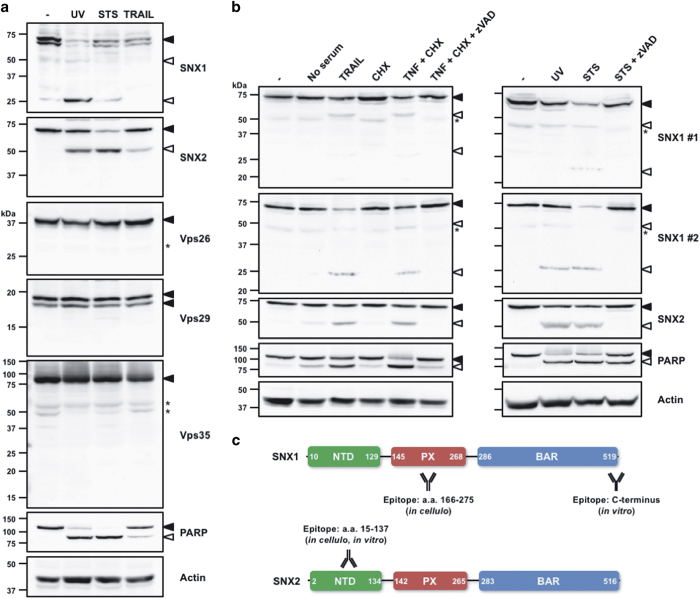
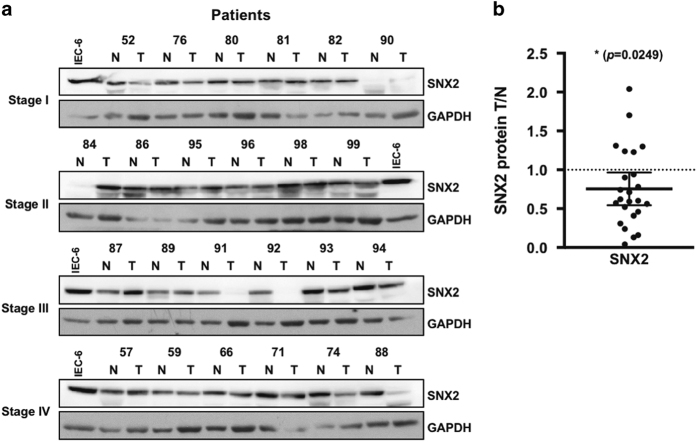
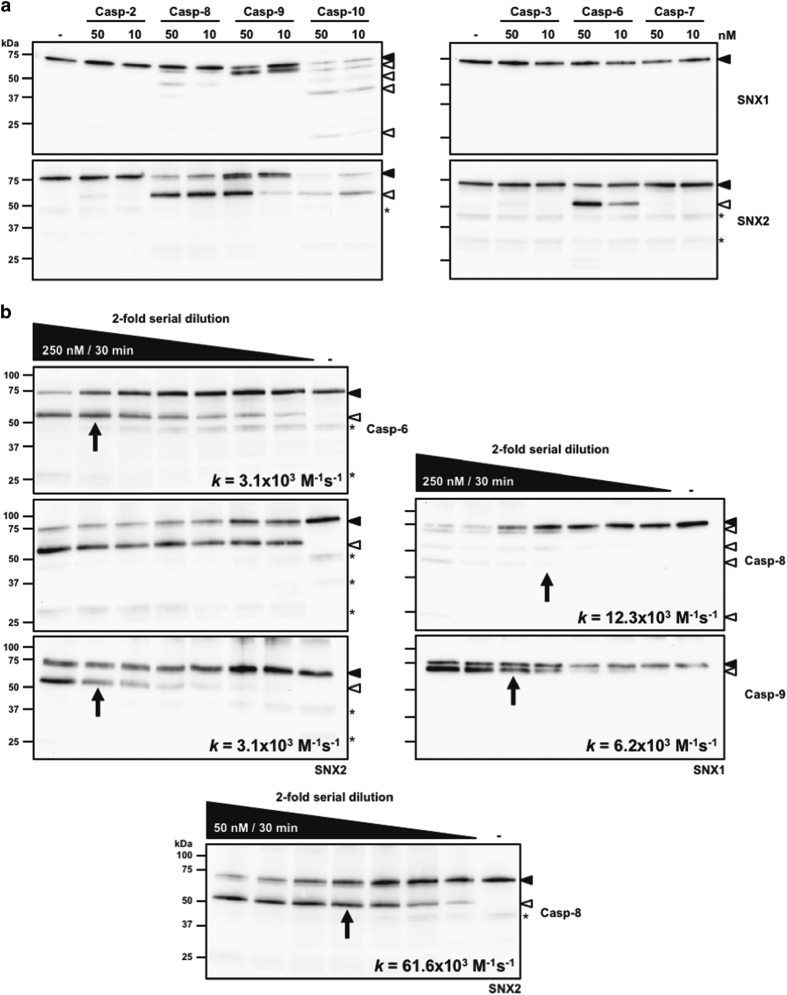
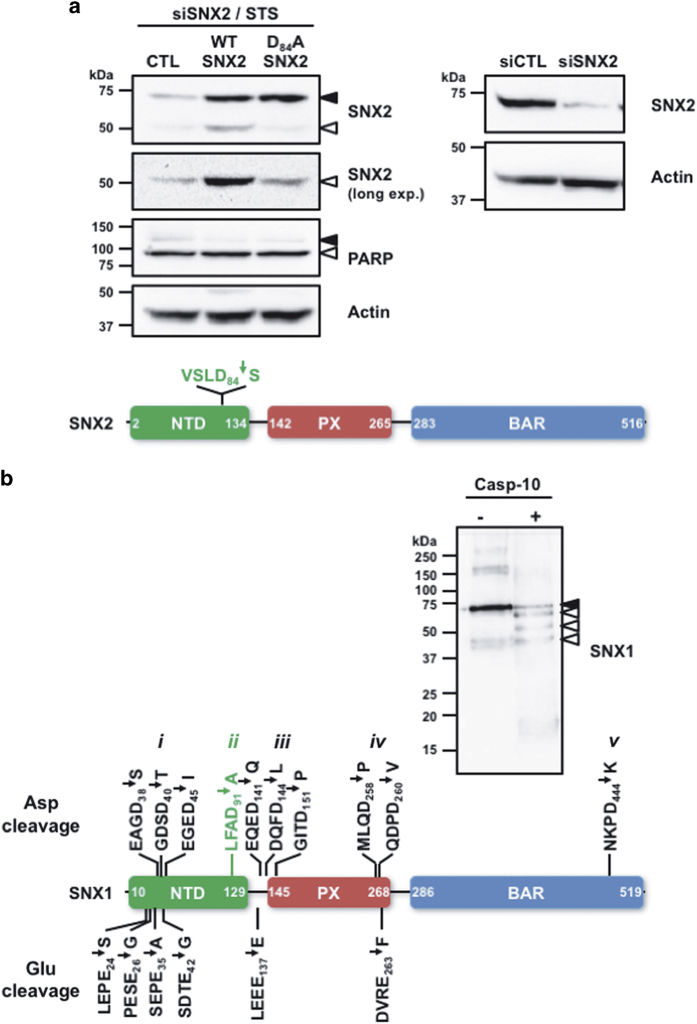
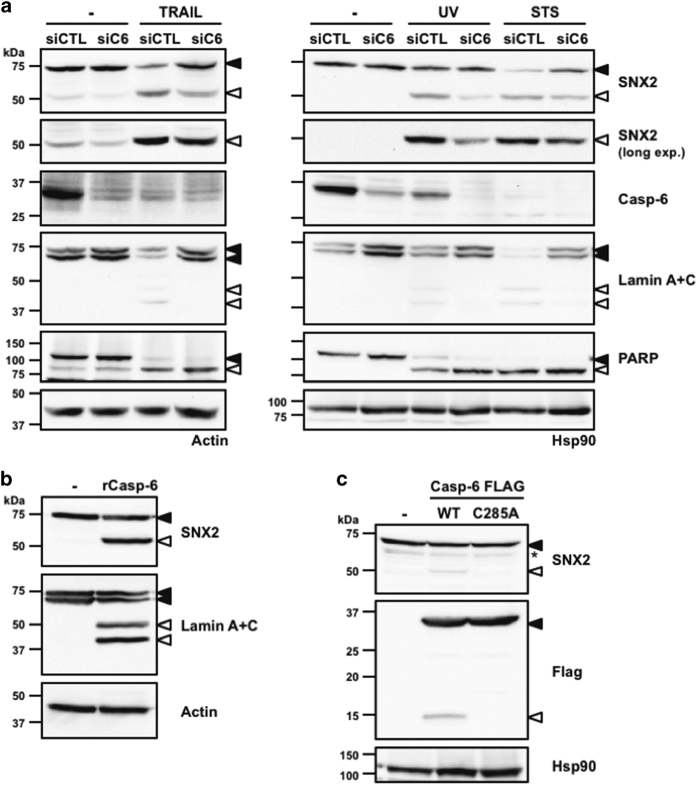
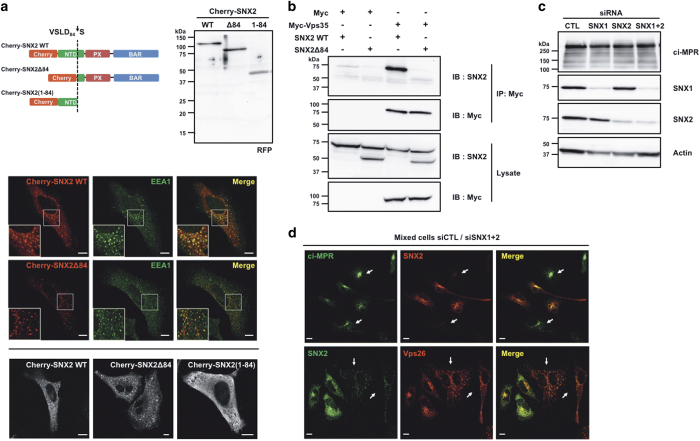
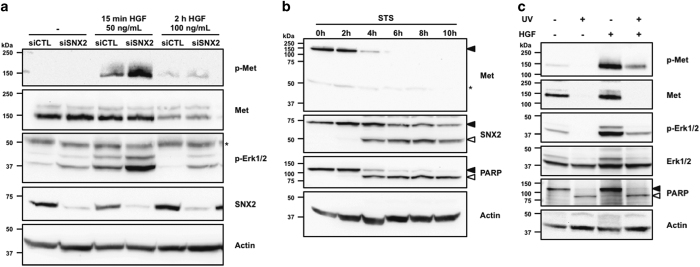
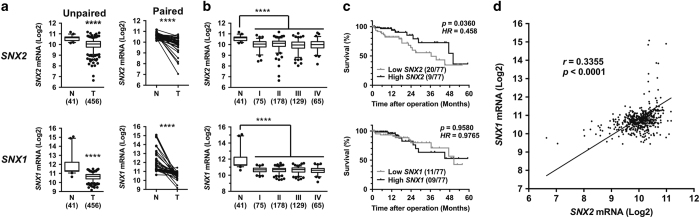
The unfolding of apoptosis involves the cleavage of hundreds of proteins by the caspase family of cysteinyl peptidases. Among those substrates are proteins involved in intracellular vesicle trafficking with a net outcome of shutting down the crucial processes governing protein transport to organelles and to the plasma membrane. However, because of the intertwining of receptor trafficking and signaling, cleavage of specific proteins may lead to unintended consequences. Here we show that in apoptosis, sorting nexin 1 and 2 (SNX1 and SNX2), two proteins involved in endosomal sorting, are cleaved by initiator caspases and also by executioner caspase-6 in the case of SNX2. Moreover, SNX1 is cleaved at multiple sites, including following glutamate residues. Cleavage of SNX2 results in a loss of association with the endosome-to--Golgi network transport protein Vps35 and in a delocalization from endosomes of its associated partner Vps26. We also demonstrate that SNX2 depletion causes an increase in hepatocyte growth factor receptor tyrosine phosphorylation and Erk1/2 signaling in cells. Finally, we show that SNX2 mRNA and protein levels are decreased in colorectal carcinoma and that lower gene expression correlates with an increase in cancer patient mortality. Our study reveals the importance to characterize the cleavage fragments produced by caspases of specific death substrates given their potential implication in the mechanism of regulation of physiological (signaling/trafficking) pathways or in the dysfunction leading to pathogenesis.
细胞凋亡的发生涉及半胱氨酸蛋白酶家族的半胱氨酸蛋白酶对数百种蛋白质的切割。这些底物中包括参与细胞内囊泡运输的蛋白质,其最终结果是终止控制蛋白质向细胞器和质膜运输的关键过程。然而,由于受体运输和信号传导相互交织,特定蛋白质的切割可能会导致意想不到的后果。在此我们表明,在细胞凋亡过程中,参与内体分选的两种蛋白质分选连接蛋白1和2(SNX1和SNX2)会被起始半胱天冬酶切割,对于SNX2而言,还会被执行半胱天冬酶-6切割。此外,SNX1在多个位点被切割,包括谷氨酸残基之后的位点。SNX2的切割导致其与内体到高尔基体网络运输蛋白Vps35的结合丧失,以及其相关伴侣Vps26从内体中发生移位。我们还证明,SNX2的缺失会导致细胞中肝细胞生长因子受体酪氨酸磷酸化和Erk1/2信号传导增加。最后,我们表明,在结直肠癌中SNX2的mRNA和蛋白质水平降低,并且较低的基因表达与癌症患者死亡率增加相关。我们的研究揭示了鉴于特定死亡底物的半胱天冬酶切割片段在生理(信号传导/运输)途径调节机制或导致发病机制的功能障碍中的潜在影响,对其进行表征的重要性。