Bubici Giovanni, Carluccio Anna Vittoria, Stavolone Livia, Cillo Fabrizio
Istituto per la Protezione Sostenibile delle Piante, Consiglio Nazionale delle Ricerche, Bari, Italy.
International Institute of Tropical Agriculture, Ibadan, Oyo State, Nigeria.
PLoS One. 2017 Feb 9;12(2):e0171902. doi: 10.1371/journal.pone.0171902. eCollection 2017.
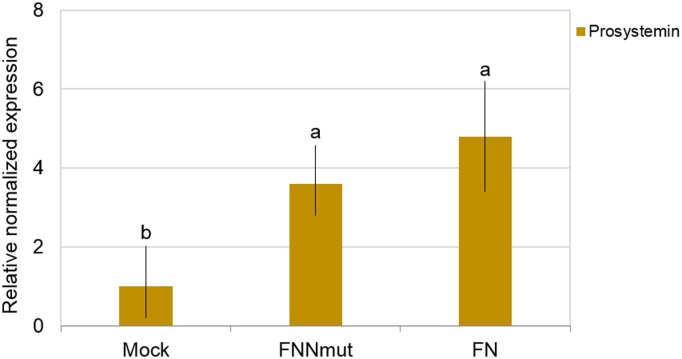
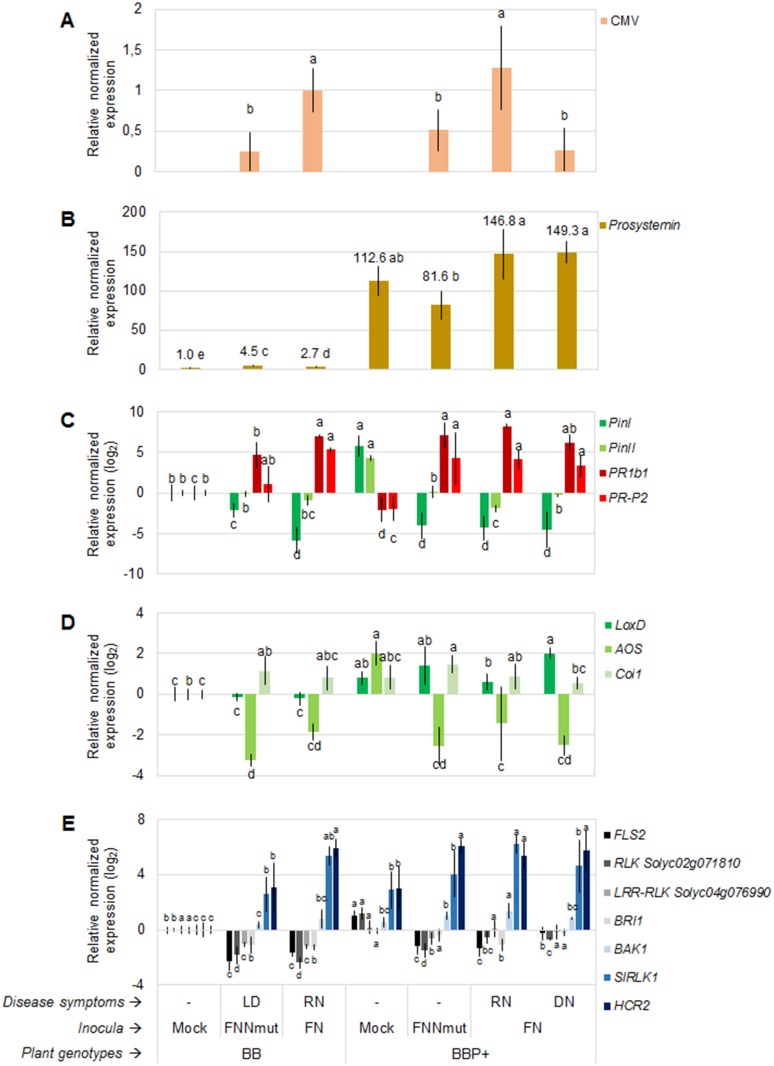
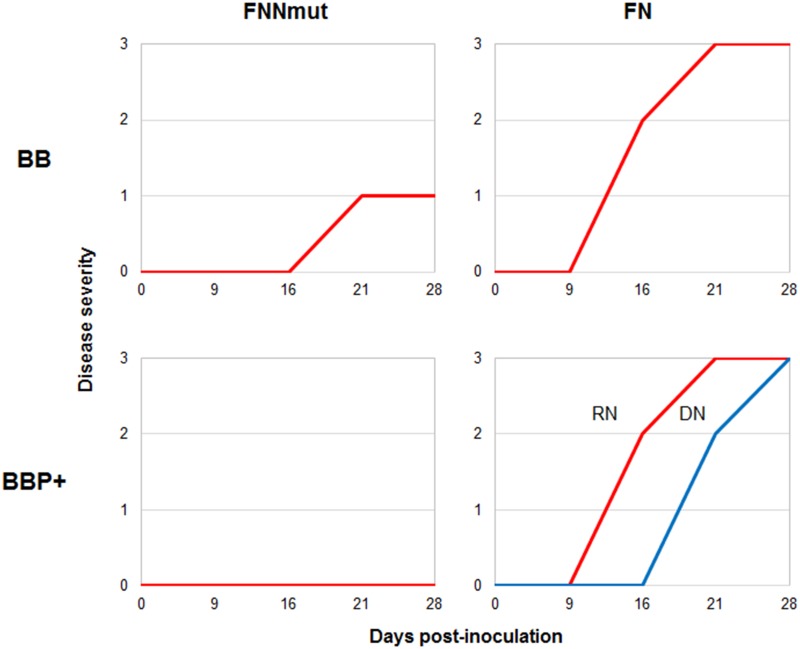
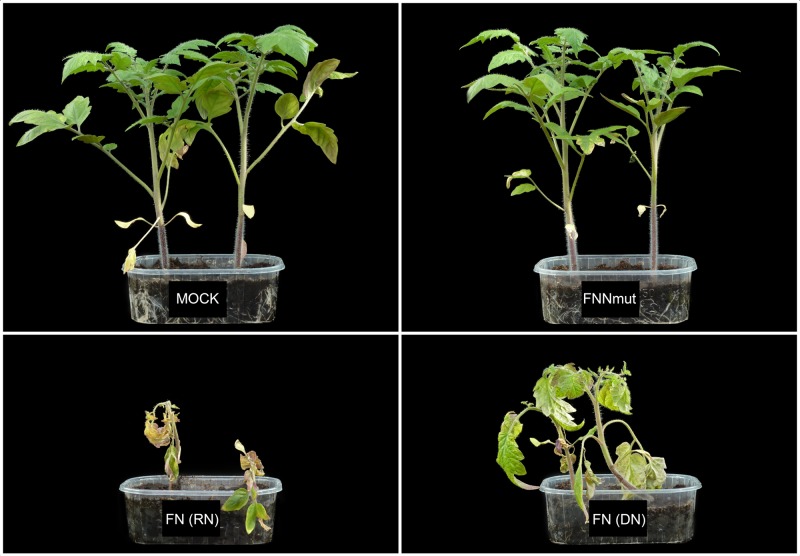
Systemin is a plant signal peptide hormone involved in the responses to wounding and insect damage in the Solanaceae family. It works in the same signaling pathway of jasmonic acid (JA) and enhances the expression of proteinase inhibitors. With the aim of studying a role for systemin in plant antiviral responses, a tomato (Solanum lycopersicum) transgenic line overexpressing the prosystemin cDNA, i.e. the systemin precursor, was inoculated with Cucumber mosaic virus (CMV) strain Fny supporting either a necrogenic or a non-necrogenic satellite RNA (satRNA) variant. Transgenic plants showed reduced susceptibility to both CMV/satRNA combinations. While symptoms of the non-necrogenic inoculum were completely suppressed, a delayed onset of lethal disease occurred in about half of plants challenged with the necrogenic inoculum. RT-qPCR analysis showed a correlation between the systemin-mediated reduced susceptibility and the JA biosynthetic and signaling pathways (e.g. transcriptional alteration of lipoxygenase D and proteinase inhibitor II). Moreover, transgenically overexpressed systemin modulated the expression of a selected set of receptor-like protein kinase (RLK) genes, including some playing a known role in plant innate immunity. A significant correlation was found between the expression profiles of some RLKs and the systemin-mediated reduced susceptibility to CMV/satRNA. These results show that systemin can increase plant defenses against CMV/satRNA through transcriptional reprogramming of diverse signaling pathways.
系统素是一种植物信号肽激素,参与茄科植物对伤口和昆虫损伤的反应。它在茉莉酸(JA)的相同信号通路中起作用,并增强蛋白酶抑制剂的表达。为了研究系统素在植物抗病毒反应中的作用,用支持坏死性或非坏死性卫星RNA(satRNA)变体的黄瓜花叶病毒(CMV)Fny株系接种了过表达前系统素cDNA(即系统素前体)的番茄(Solanum lycopersicum)转基因系。转基因植物对两种CMV/satRNA组合的敏感性均降低。虽然非坏死性接种物的症状完全被抑制,但在用坏死性接种物挑战的约一半植物中出现了致命疾病的延迟发作。RT-qPCR分析表明,系统素介导的敏感性降低与JA生物合成和信号通路之间存在相关性(例如脂氧合酶D和蛋白酶抑制剂II的转录改变)。此外,转基因过表达的系统素调节了一组选定的类受体蛋白激酶(RLK)基因的表达,包括一些在植物先天免疫中起已知作用的基因。在一些RLK的表达谱与系统素介导的对CMV/satRNA敏感性降低之间发现了显著相关性。这些结果表明,系统素可以通过对多种信号通路进行转录重编程来增强植物对CMV/satRNA的防御能力。