Rheumatology and Clinical Immunology, Kobe University Graduate School of Medicine, Kobe, Japan.
Department of Clinical Laboratory, Kobe University Hospital, Kobe, Japan.
Sci Rep. 2017 Feb 10;7:42412. doi: 10.1038/srep42412.
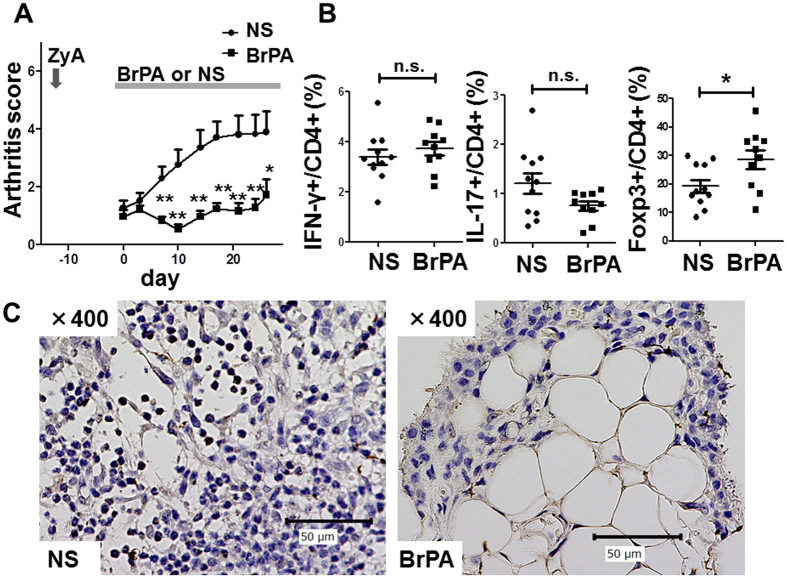
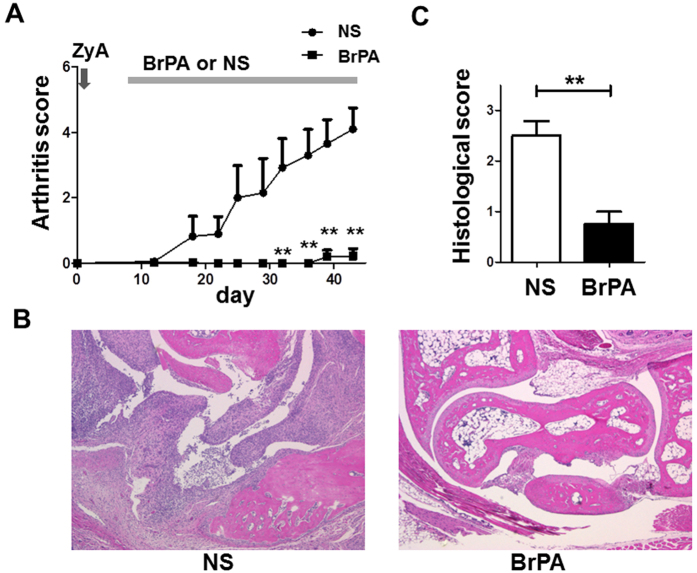
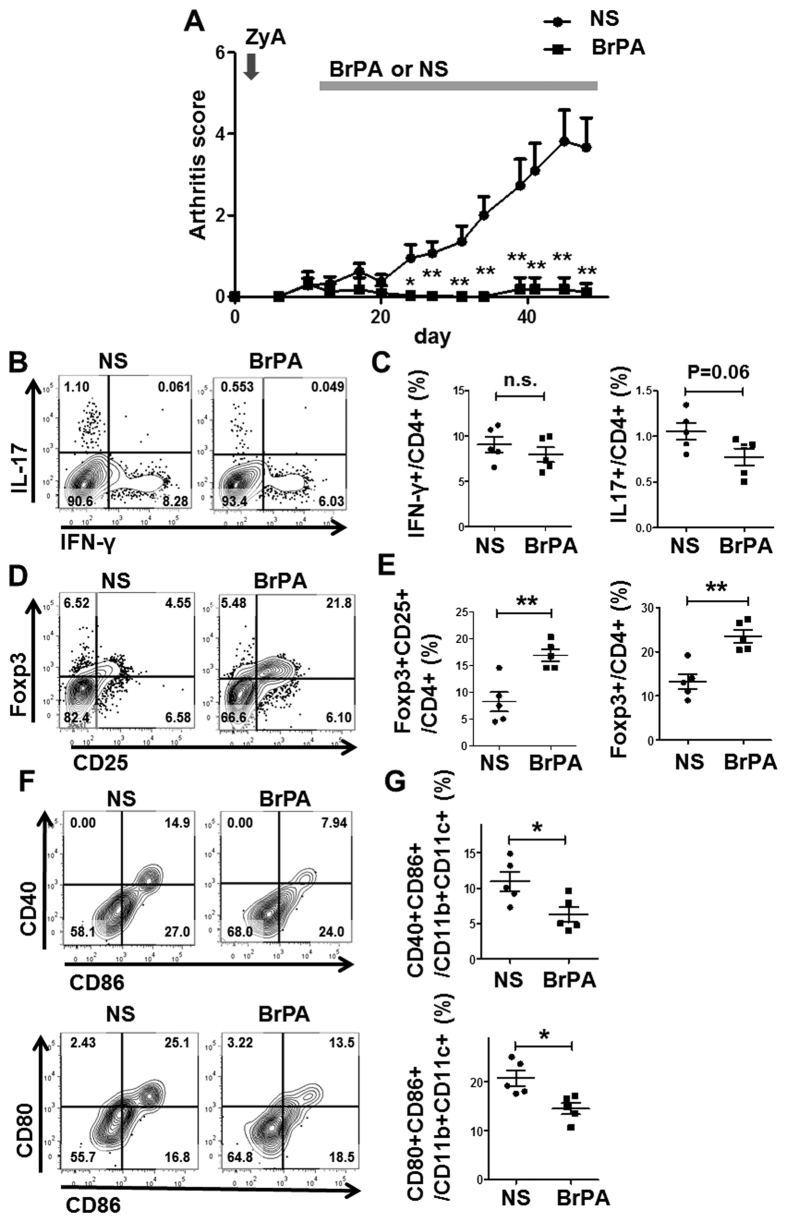
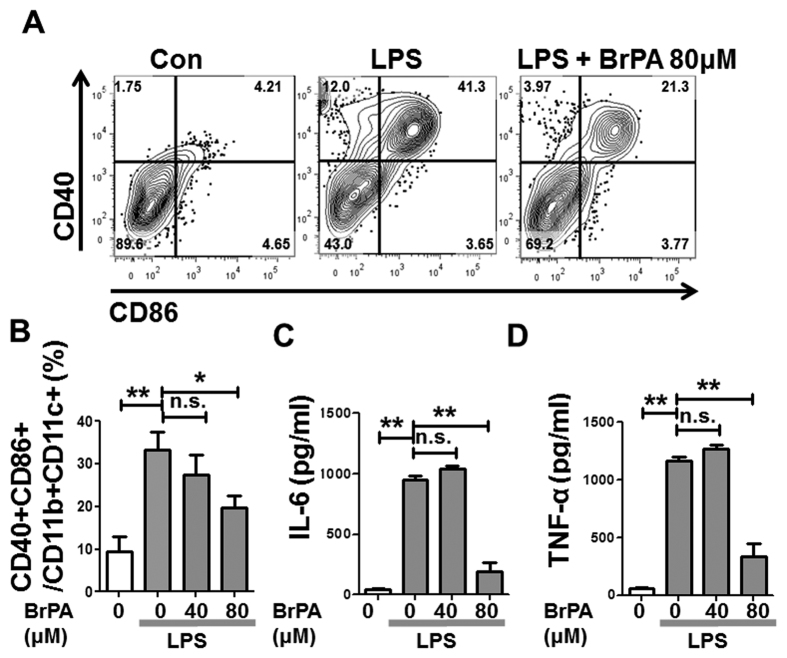
Recent studies have shown that cellular metabolism plays an important role in regulating immune cell functions. In immune cell differentiation, both interleukin-17-producing T (Th17) cells and dendritic cells (DCs) exhibit increased glycolysis through the upregulation of glycolytic enzymes, such as hexokinase-2 (HK2). Blocking glycolysis with 2-deoxyglucose was recently shown to inhibit Th17 cell differentiation while promoting regulatory T (Treg) cell generation. However, 2-DG inhibits all isoforms of HK. Thus, it is unclear which isoform has a critical role in Th17 cell differentiation and in rheumatoid arthritis (RA) pathogenesis. Here we demonstrated that 3-bromopyruvate (BrPA), a specific HK2 inhibitor, significantly decreased the arthritis scores and the histological scores in SKG mice, with a significant increase in Treg cells, decrease in Th17 cells, and decrease in activated DCs in the spleen. In vitro, BrPA facilitated the differentiation of Treg cells, suppressed Th17 cells, and inhibited the activation of DCs. These results suggested that BrPA may be a therapeutic target of murine arthritis. Although the role of IL-17 is not clarified in the treatment of RA, targeting cell metabolism to alter the immune cell functions might lead to a new therapeutic strategy for RA.
最近的研究表明,细胞代谢在调节免疫细胞功能方面起着重要作用。在免疫细胞分化过程中,白细胞介素 17 产生 T(Th17)细胞和树突状细胞(DC)都通过上调糖酵解酶,如己糖激酶-2(HK2),表现出增强的糖酵解作用。最近的研究表明,用 2-脱氧葡萄糖阻断糖酵解可以抑制 Th17 细胞分化,同时促进调节性 T(Treg)细胞的生成。然而,2-DG 抑制 HK 的所有同工酶。因此,哪种同工酶在 Th17 细胞分化和类风湿关节炎(RA)发病机制中起关键作用尚不清楚。在这里,我们证明了 3-溴丙酮酸(BrPA),一种特异性的 HK2 抑制剂,可显著降低 SKG 小鼠的关节炎评分和组织学评分,同时 Treg 细胞显著增加,Th17 细胞减少,脾脏中活化的 DC 减少。在体外,BrPA 促进了 Treg 细胞的分化,抑制了 Th17 细胞的分化,并抑制了 DC 的活化。这些结果表明 BrPA 可能是治疗关节炎的靶点。虽然白细胞介素 17 在治疗 RA 中的作用尚不清楚,但针对细胞代谢来改变免疫细胞功能可能为 RA 提供一种新的治疗策略。