
一项关于新型差异表达长链非编码RNA表达谱特征的综合研究,以评估结直肠癌患者的生存情况。
Comprehensive investigation of a novel differentially expressed lncRNA expression profile signature to assess the survival of patients with colorectal adenocarcinoma.
作者信息
Zeng Jiang-Hui, Liang Liang, He Rong-Quan, Tang Rui-Xue, Cai Xiao-Yong, Chen Jun-Qiang, Luo Dian-Zhong, Chen Gang
机构信息
Department of Pathology, First Affiliated Hospital of Guangxi Medical University, Nanning, Guangxi Zhuang Autonomous Region, P. R. China.
Department of General Surgery, First Affiliated Hospital of Guangxi Medical University (West Branch), Nanning, Guangxi Zhuang Autonomous Region, P. R. China.
出版信息
Oncotarget. 2017 Mar 7;8(10):16811-16828. doi: 10.18632/oncotarget.15161.
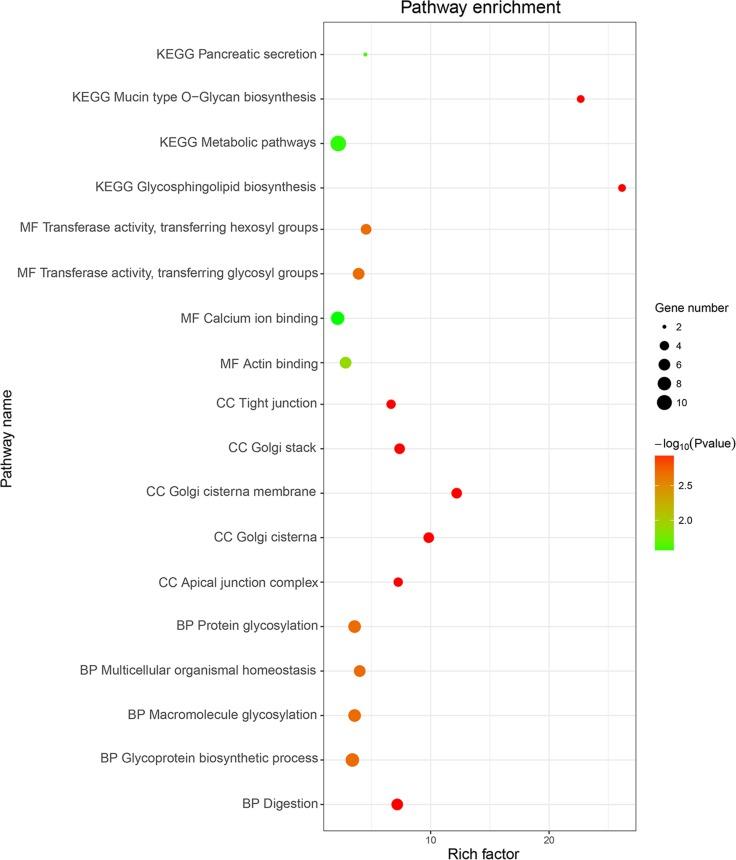
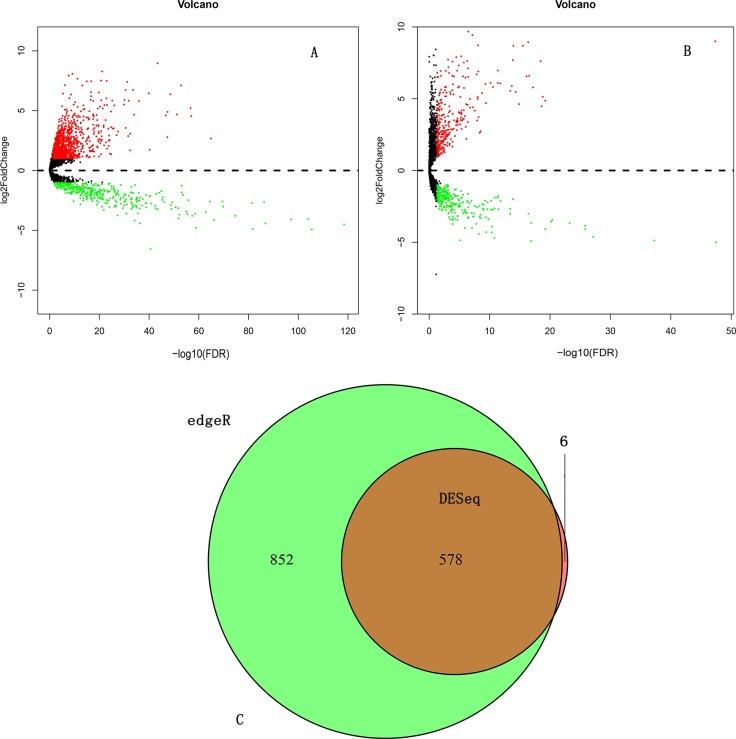
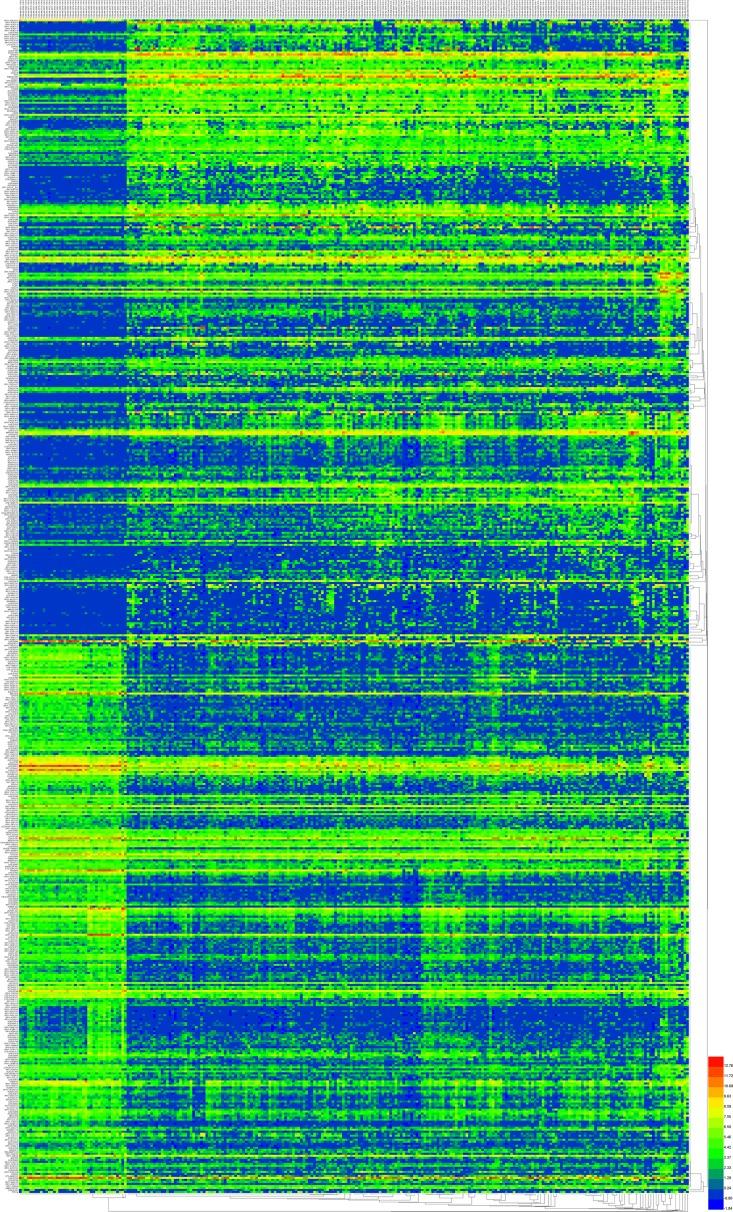
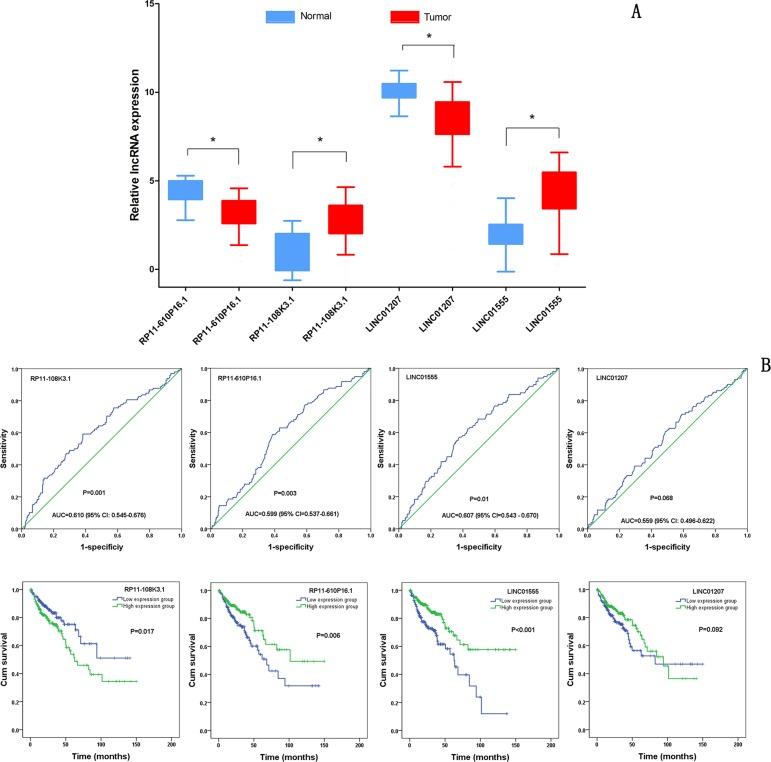
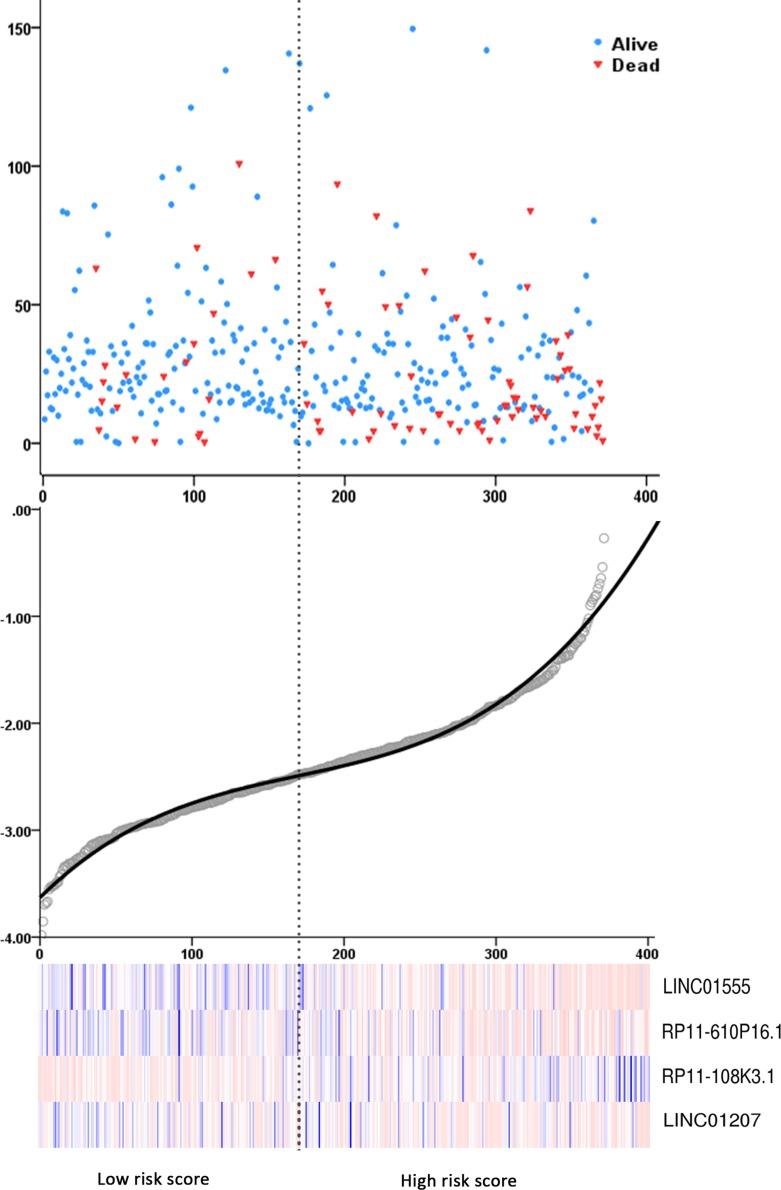
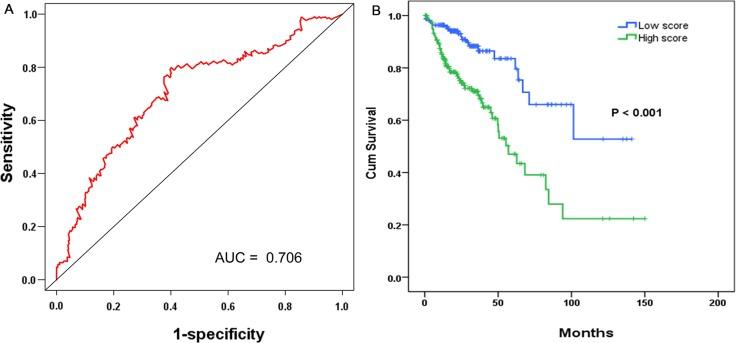
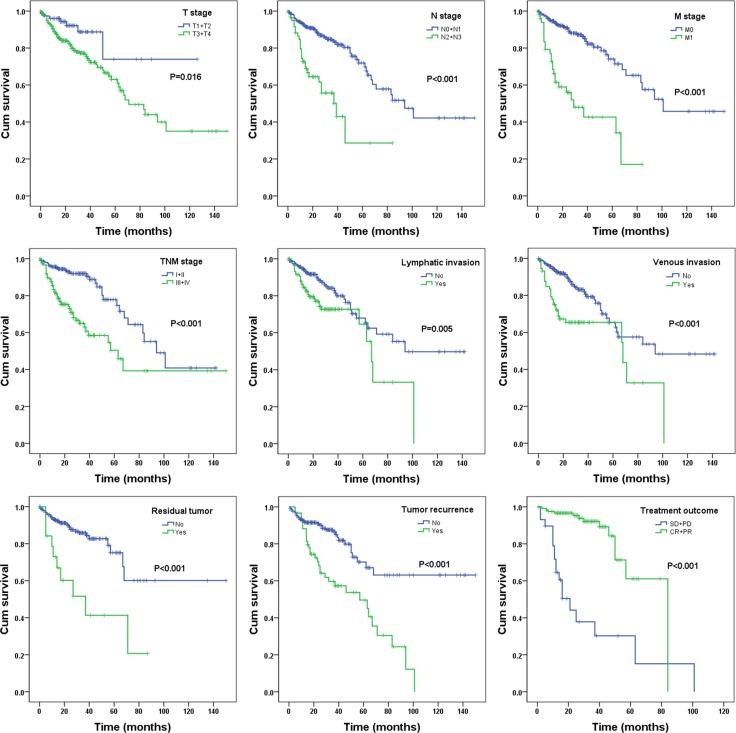
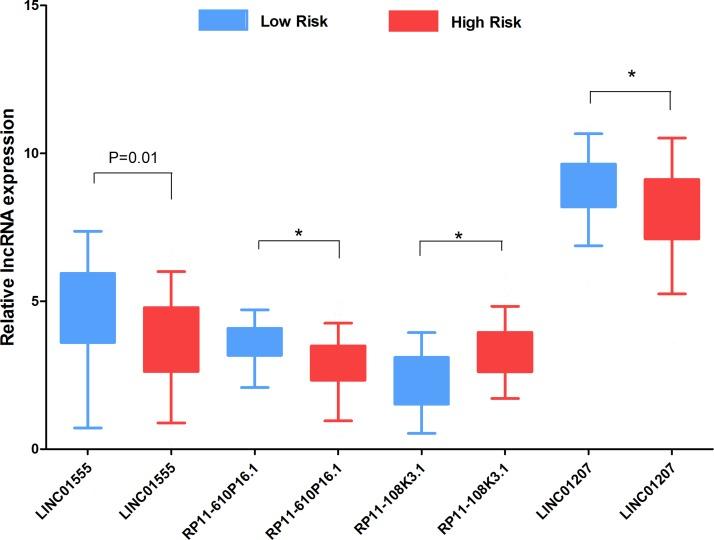
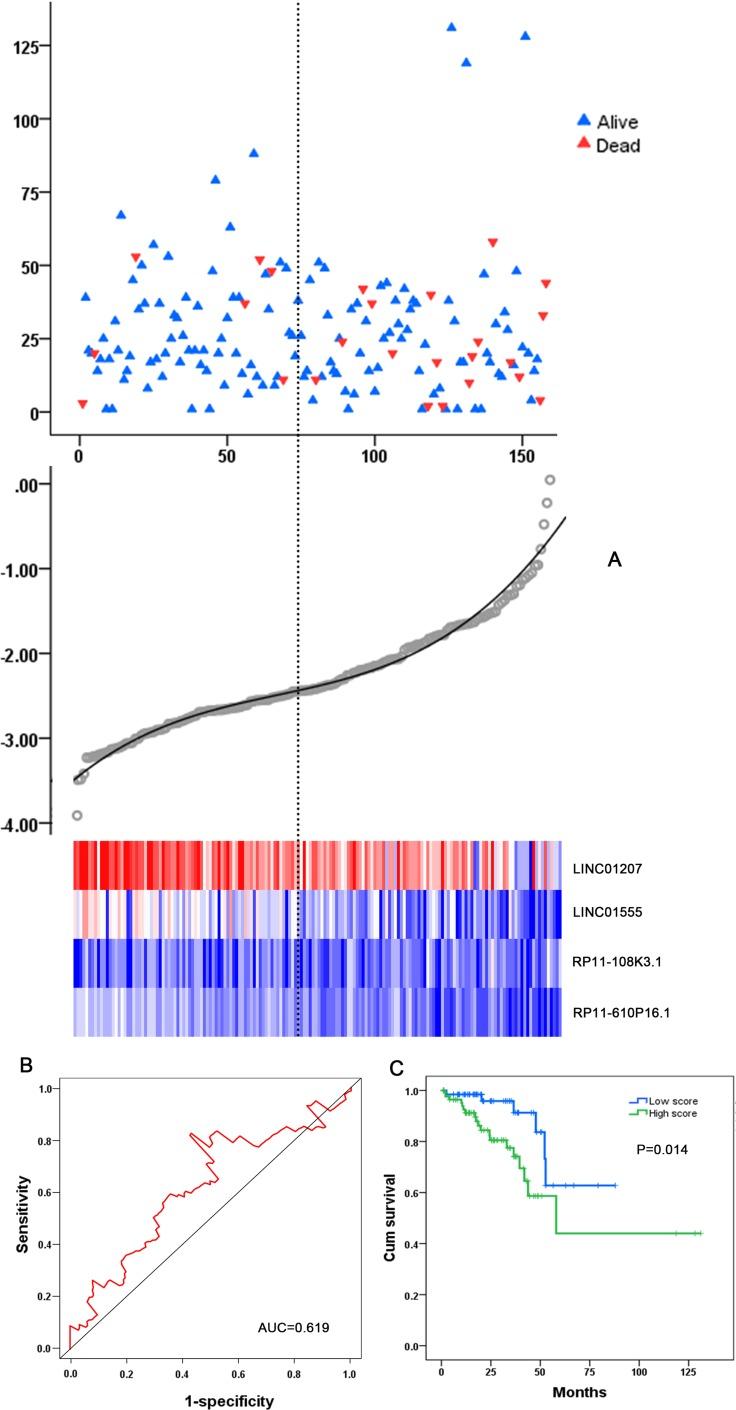
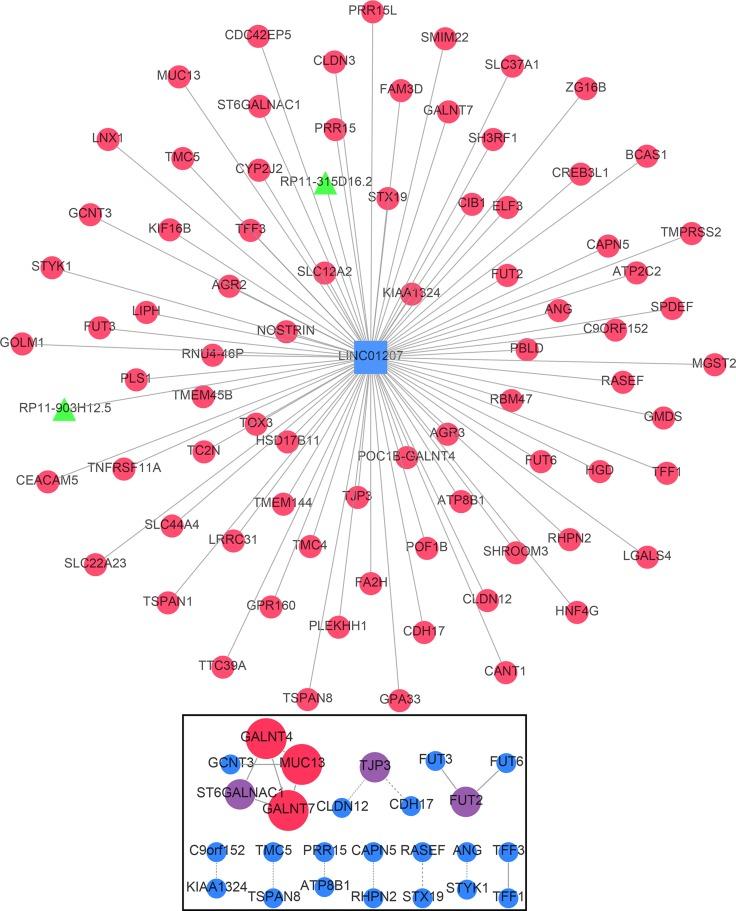
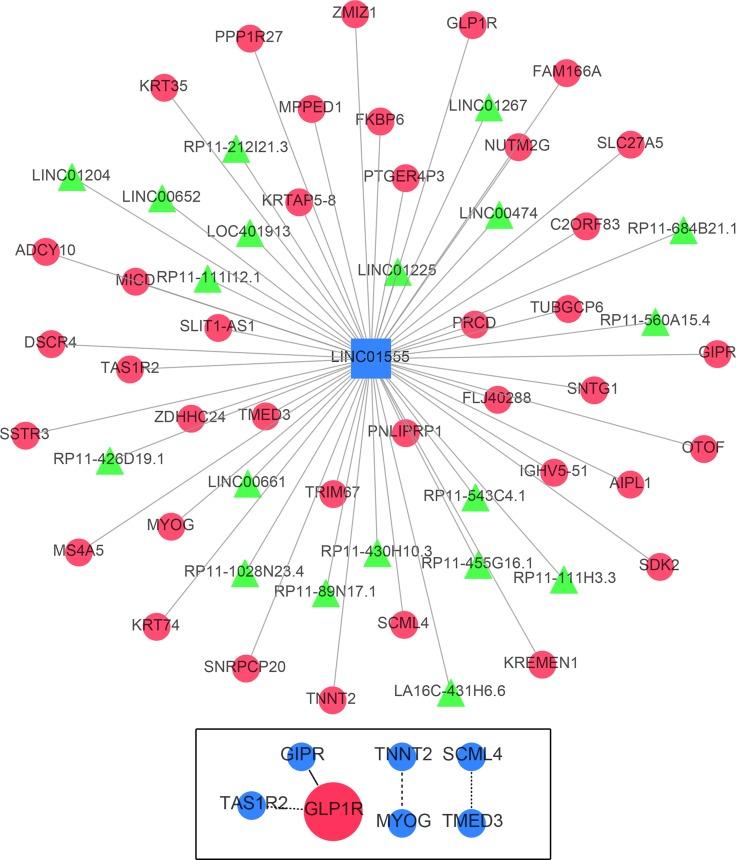
Growing evidence has shown that long non-coding RNAs (lncRNAs) can serve as prospective markers for survival in patients with colorectal adenocarcinoma. However, most studies have explored a limited number of lncRNAs in a small number of cases. The objective of this study is to identify a panel of lncRNA signature that could evaluate the prognosis in colorectal adenocarcinoma based on the data from The Cancer Genome Atlas (TCGA). Altogether, 371 colon adenocarcinoma (COAD) patients with complete clinical data were included in our study as the test cohort. A total of 578 differentially expressed lncRNAs (DELs) were observed, among which 20 lncRNAs closely related to overall survival (OS) in COAD patients were identified using a Cox proportional regression model. A risk score formula was developed to assess the prognostic value of the lncRNA signature in COAD with four lncRNAs (LINC01555, RP11-610P16.1, RP11-108K3.1 and LINC01207), which were identified to possess the most remarkable correlation with OS in COAD patients. COAD patients with a high-risk score had poorer OS than those with a low-risk score. The multivariate Cox regression analyses confirmed that the four-lncRNA signature could function as an independent prognostic indicator for COAD patients, which was largely mirrored in the validating cohort with rectal adenocarcinoma (READ) containing 158 cases. In addition, the correlative genes of LINC01555 and LINC01207 were enriched in the cAMP signaling and mucin type O-Glycan biosynthesis pathways. With further validation in the future, our study indicates that the four-lncRNA signature could serve as an independent biomarker for survival of colorectal adenocarcinoma.
越来越多的证据表明,长链非编码RNA(lncRNAs)可作为结肠腺癌患者生存的潜在标志物。然而,大多数研究在少数病例中探索的lncRNAs数量有限。本研究的目的是基于来自癌症基因组图谱(TCGA)的数据,鉴定一组可评估结肠腺癌预后的lncRNA特征。总共371例具有完整临床数据的结肠腺癌(COAD)患者被纳入我们的研究作为测试队列。共观察到578个差异表达的lncRNAs(DELs),其中使用Cox比例回归模型鉴定出20个与COAD患者总生存期(OS)密切相关的lncRNAs。开发了一个风险评分公式,以评估由四个lncRNAs(LINC01555、RP11-610P16.1、RP11-108K3.1和LINC01207)组成的lncRNA特征在COAD中的预后价值,这些lncRNAs被确定与COAD患者的OS具有最显著的相关性。高风险评分的COAD患者的OS比低风险评分的患者差。多变量Cox回归分析证实,这四个lncRNA特征可作为COAD患者的独立预后指标,这在包含158例病例的直肠腺癌(READ)验证队列中得到了很大程度的反映。此外,LINC01555和LINC01207的相关基因在cAMP信号传导和粘蛋白型O-聚糖生物合成途径中富集。随着未来进一步验证,我们的研究表明,这四个lncRNA特征可作为结肠腺癌生存的独立生物标志物。

 Zotero 插件