Ravera Silvia, Reyna-Neyra Andrea, Ferrandino Giuseppe, Amzel L Mario, Carrasco Nancy
Department of Cellular and Molecular Physiology, Yale School of Medicine, New Haven, Connecticut 06510; email:
Department of Biophysics and Biophysical Chemistry, Johns Hopkins University School of Medicine, Baltimore, Maryland 21205.
Annu Rev Physiol. 2017 Feb 10;79:261-289. doi: 10.1146/annurev-physiol-022516-034125.
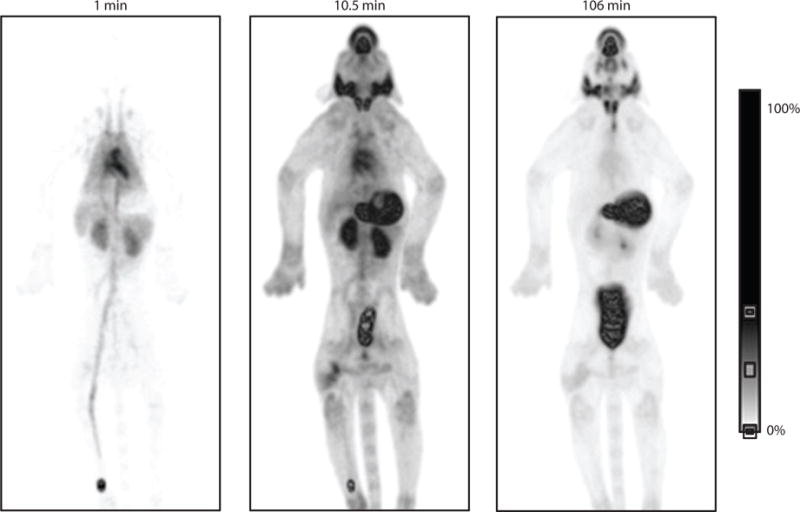
Active iodide (I) transport in both the thyroid and some extrathyroidal tissues is mediated by the Na/I symporter (NIS). In the thyroid, NIS-mediated I uptake plays a pivotal role in thyroid hormone (TH) biosynthesis. THs are key during embryonic and postembryonic development and critical for cell metabolism at all stages of life. The molecular characterization of NIS in 1996 and the use of radioactive I isotopes have led to significant advances in the diagnosis and treatment of thyroid cancer and provide the molecular basis for studies aimed at extending the use of radioiodide treatment in extrathyroidal malignancies. This review focuses on the most recent findings on I homeostasis and I transport deficiency-causing NIS mutations, as well as current knowledge of the structure/function properties of NIS and NIS regulatory mechanisms. We also discuss employing NIS as a reporter gene using viral vectors and stem cells in imaging, diagnostic, and therapeutic procedures.
甲状腺及一些甲状腺外组织中的活性碘(I)转运由钠/碘同向转运体(NIS)介导。在甲状腺中,NIS介导的碘摄取在甲状腺激素(TH)生物合成中起关键作用。甲状腺激素在胚胎发育和出生后发育过程中至关重要,并且对生命各阶段的细胞代谢都很关键。1996年NIS的分子特征鉴定以及放射性碘同位素的应用,在甲状腺癌的诊断和治疗方面取得了重大进展,并为旨在扩大放射性碘治疗在甲状腺外恶性肿瘤中应用的研究提供了分子基础。本综述重点关注碘稳态及导致碘转运缺陷的NIS突变的最新研究结果,以及NIS的结构/功能特性和NIS调节机制的现有知识。我们还讨论了在成像、诊断和治疗过程中使用病毒载体和干细胞将NIS用作报告基因的情况。