Durka-Zając Magdalena, Derwich Marcin, Mituś-Kenig Maria, Łoboda Magdalena, Pawłowska Elżbieta
Specialist Orthodontic Practice in Mierzyn, Mierzyn, Poland.
Resident of Orthodontics, Individual Dental Practice in Grudziądz, Grudziądz, Poland.
Pol J Radiol. 2017 Jan 21;82:32-37. doi: 10.12659/PJR.898125. eCollection 2017.
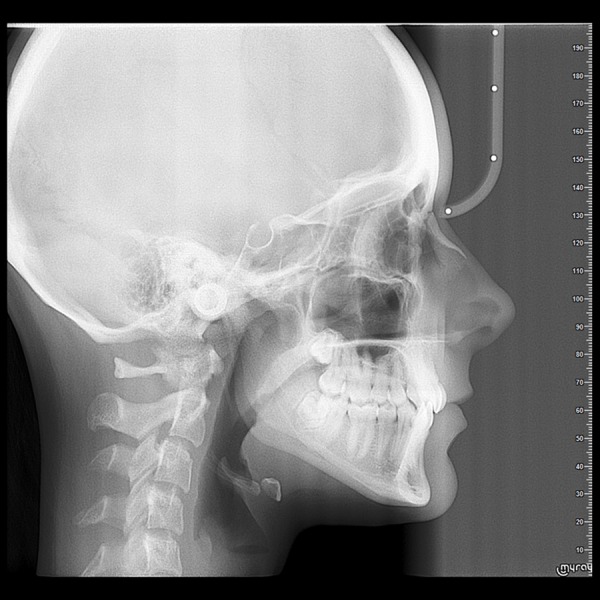
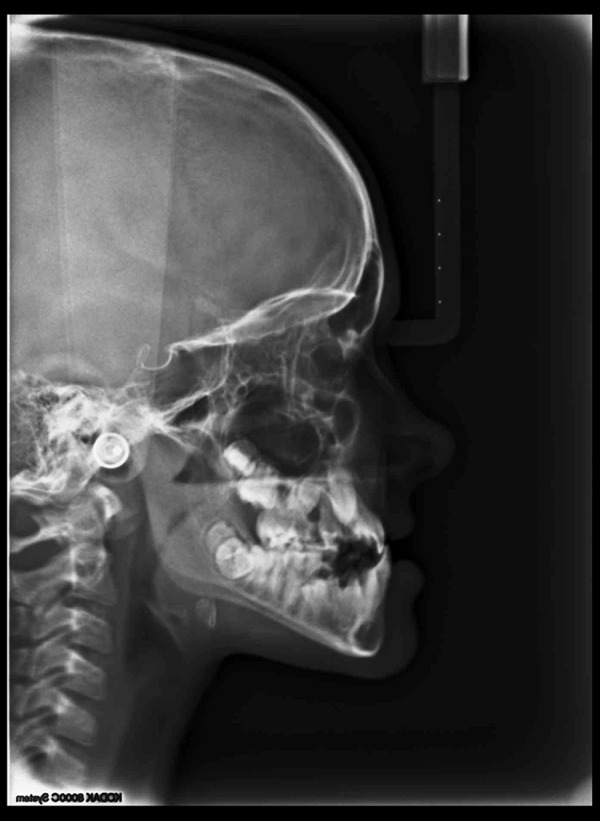
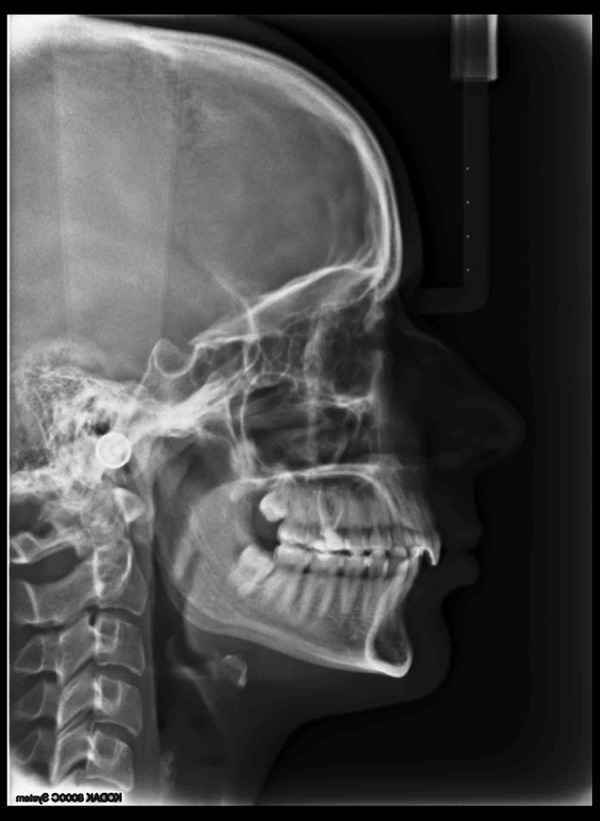
The degree of mineralization of permanent tooth germs in dental age assessment has been an area of interest among many authors for years. However, only recently have researchers attempted to determine the potential interdependencies between dental age and jaw relationships. The aim of this work was to compare dental maturation in patients with skeletal Class II to patients with skeletal Classes I and III.
MATERIAL/METHODS: The study involved 150 patients who sought orthodontic treatment. Dental age was assessed from panoramic radiographs using the Demirjian's method. Skeletal class was evaluated according to the value of the ANPg angle from the Björk's analysis. We used the analysis of variance (ANOVA) and the Student's t-test.
The mean dental age in patients with skeletal Class III was significantly higher than the mean dental age in patients with skeletal Class II (p<0.0005). A correlation between the dental age and chronological age was established. The weakest correlation was seen between the dental age and skeletal Class II. Among patients with skeletal Class II, the strongest correlation was found between chronological age and the formation of the germ of the second lower premolar (r=0.67; p<0.001).
Dental age among patients with skeletal Class II was the lowest.
多年来,恒牙胚矿化程度在牙龄评估中一直是众多学者关注的领域。然而,直到最近研究人员才试图确定牙龄与颌骨关系之间潜在的相互依存关系。这项研究的目的是比较骨骼II类患者与骨骼I类和III类患者的牙齿成熟度。
材料/方法:该研究纳入了150名寻求正畸治疗的患者。使用Demirjian方法从全景X线片评估牙龄。根据Björk分析中ANPg角的值评估骨骼类型。我们采用方差分析(ANOVA)和学生t检验。
骨骼III类患者的平均牙龄显著高于骨骼II类患者(p < 0.0005)。建立了牙龄与实际年龄之间的相关性。牙龄与骨骼II类之间的相关性最弱。在骨骼II类患者中,实际年龄与下颌第二前磨牙胚形成之间的相关性最强(r = 0.67;p < 0.001)。
骨骼II类患者的牙龄最低。