Kazimierczak Natalia, Kazimierczak Wojciech, Serafin Zbigniew, Nowicki Paweł, Nożewski Jakub, Janiszewska-Olszowska Joanna
Kazimierczak Private Medical Practice, Dworcowa 13/u6a, 85-009 Bydgoszcz, Poland.
Department of Radiology and Diagnostic Imaging, Collegium Medicum, Nicolaus Copernicus University in Torun, Jagiellońska 13-15, 85-067 Bydgoszcz, Poland.
J Clin Med. 2024 Jan 7;13(2):344. doi: 10.3390/jcm13020344.
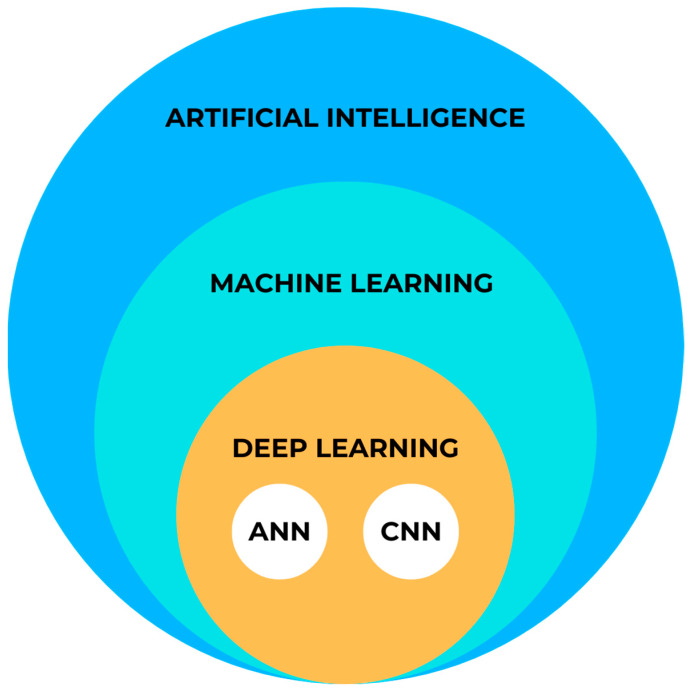
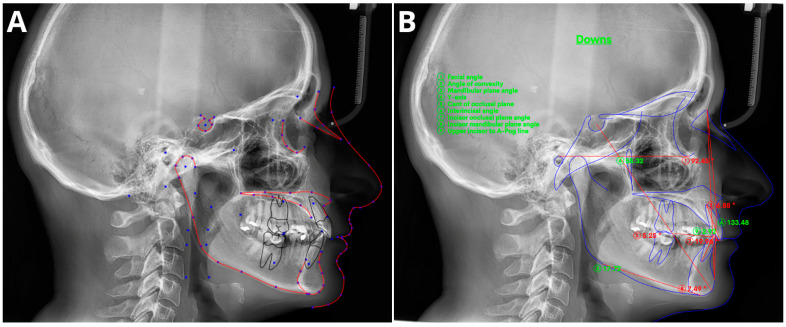
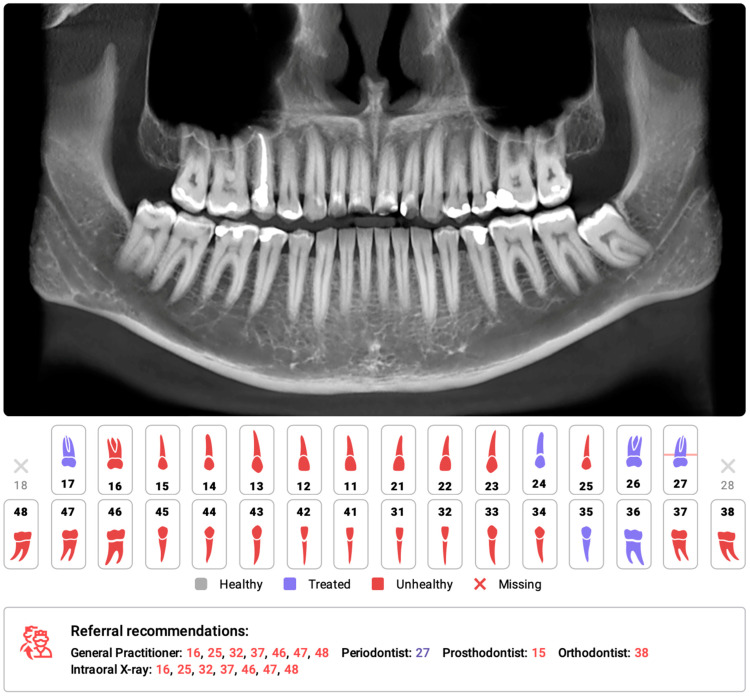
The advent of artificial intelligence (AI) in medicine has transformed various medical specialties, including orthodontics. AI has shown promising results in enhancing the accuracy of diagnoses, treatment planning, and predicting treatment outcomes. Its usage in orthodontic practices worldwide has increased with the availability of various AI applications and tools. This review explores the principles of AI, its applications in orthodontics, and its implementation in clinical practice. A comprehensive literature review was conducted, focusing on AI applications in dental diagnostics, cephalometric evaluation, skeletal age determination, temporomandibular joint (TMJ) evaluation, decision making, and patient telemonitoring. Due to study heterogeneity, no meta-analysis was possible. AI has demonstrated high efficacy in all these areas, but variations in performance and the need for manual supervision suggest caution in clinical settings. The complexity and unpredictability of AI algorithms call for cautious implementation and regular manual validation. Continuous AI learning, proper governance, and addressing privacy and ethical concerns are crucial for successful integration into orthodontic practice.
人工智能(AI)在医学领域的出现改变了包括正畸学在内的各个医学专业。人工智能在提高诊断准确性、治疗计划制定以及预测治疗结果方面已显示出令人鼓舞的成果。随着各种人工智能应用程序和工具的出现,其在全球正畸实践中的使用有所增加。本综述探讨了人工智能的原理、其在正畸学中的应用以及在临床实践中的实施情况。我们进行了全面的文献综述,重点关注人工智能在牙科诊断、头影测量评估、骨骼年龄测定、颞下颌关节(TMJ)评估、决策制定以及患者远程监测方面的应用。由于研究的异质性,无法进行荟萃分析。人工智能在所有这些领域都显示出了高效性,但性能的差异以及对手动监督的需求表明在临床环境中应谨慎使用。人工智能算法的复杂性和不可预测性要求谨慎实施并定期进行手动验证。持续的人工智能学习、适当的管理以及解决隐私和伦理问题对于成功融入正畸实践至关重要。