Geelhoed Wouter J, Moroni Lorenzo, Rotmans Joris I
Department of Internal Medicine, Leiden University Medical Center, Leiden, The Netherlands.
Eindhoven Laboratory of Experimental Vascular Medicine, Leiden University Medical Center, Leiden, The Netherlands.
J Cardiovasc Transl Res. 2017 Apr;10(2):167-179. doi: 10.1007/s12265-017-9731-7. Epub 2017 Feb 15.
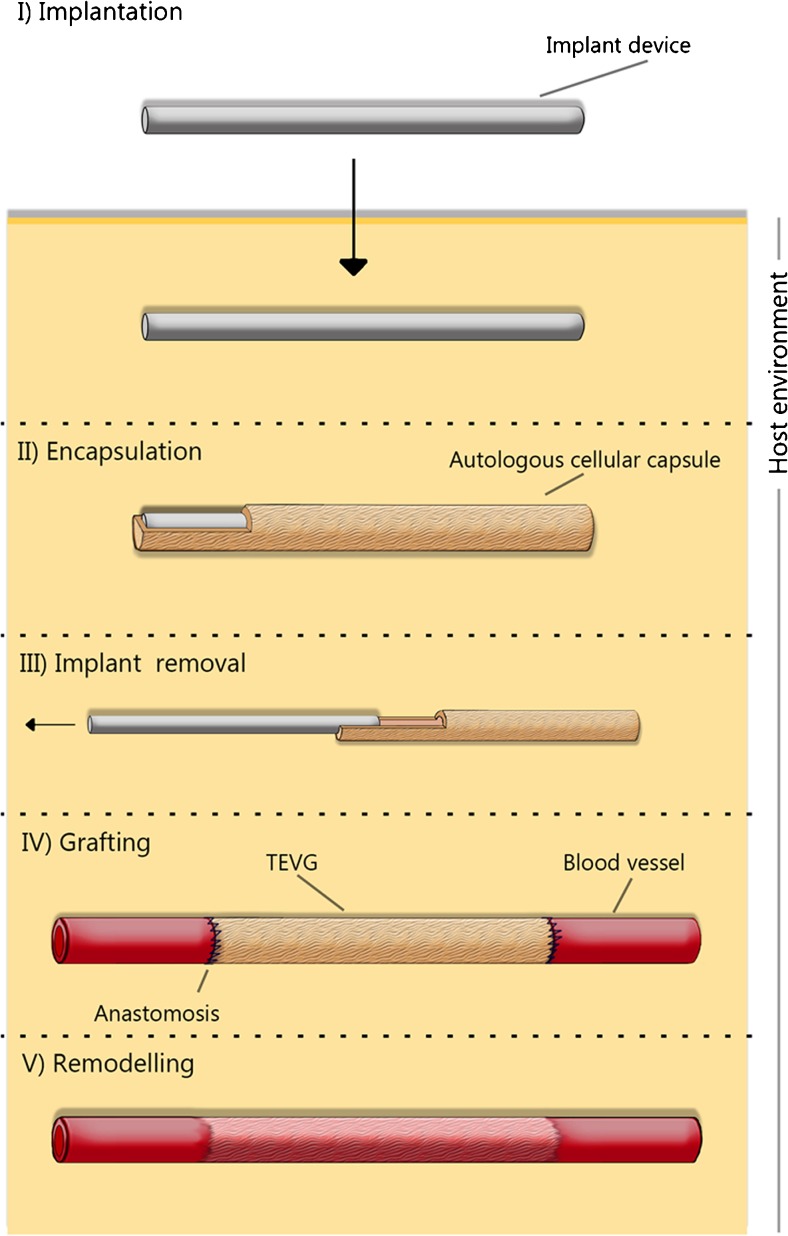
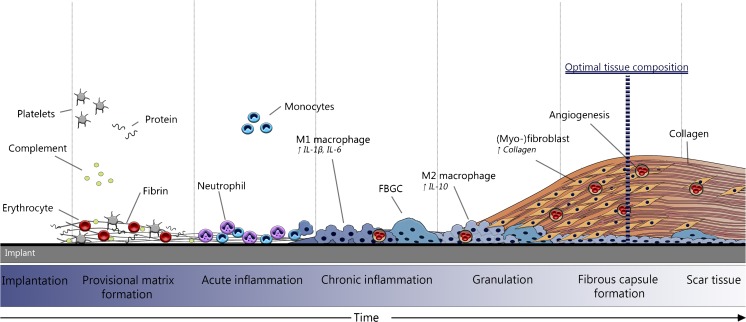
It is well known that the number of patients requiring a vascular grafts for use as vessel replacement in cardiovascular diseases, or as vascular access site for hemodialysis is ever increasing. The development of tissue engineered blood vessels (TEBV's) is a promising method to meet this increasing demand vascular grafts, without having to rely on poorly performing synthetic options such as polytetrafluoroethylene (PTFE) or Dacron. The generation of in vivo TEBV's involves utilizing the host reaction to an implanted biomaterial for the generation of completely autologous tissues. Essentially this approach to the development of TEBV's makes use of the foreign body response to biomaterials for the construction of the entire vascular replacement tissue within the patient's own body. In this review we will discuss the method of developing in vivo TEBV's, and debate the approaches of several research groups that have implemented this method.
众所周知,在心血管疾病中需要血管移植物来替代血管,或作为血液透析的血管通路部位的患者数量正在不断增加。组织工程血管(TEBV)的发展是满足这种对血管移植物不断增长需求的一种有前景的方法,而无需依赖性能不佳的合成材料,如聚四氟乙烯(PTFE)或涤纶。体内TEBV的生成涉及利用宿主对植入生物材料的反应来生成完全自体的组织。从本质上讲,这种TEBV的开发方法利用了对生物材料的异物反应,在患者自身体内构建整个血管替代组织。在这篇综述中,我们将讨论体内TEBV的开发方法,并探讨几个实施该方法的研究小组的方法。