Deng Yuanyuan, Long Long, Wang Keke, Zhou Jiayin, Zeng Lingrong, He Lianzi, Gong Qihai
Department of Pharmacology, Key Laboratory of Basic Pharmacology of Ministry of Education, Zunyi Medical University Guizhou, China.
Department of Pharmacy, Zunyi Medical University Guizhou, China.
Front Pharmacol. 2017 Feb 2;8:39. doi: 10.3389/fphar.2017.00039. eCollection 2017.
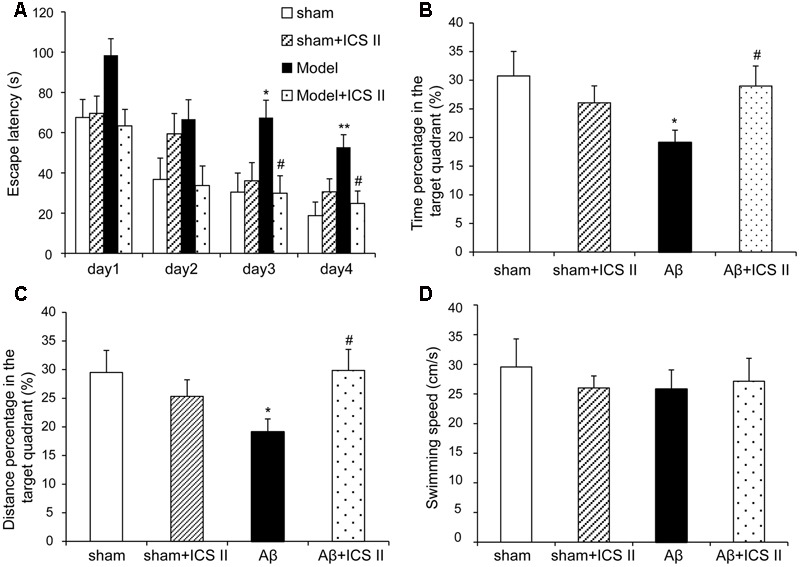
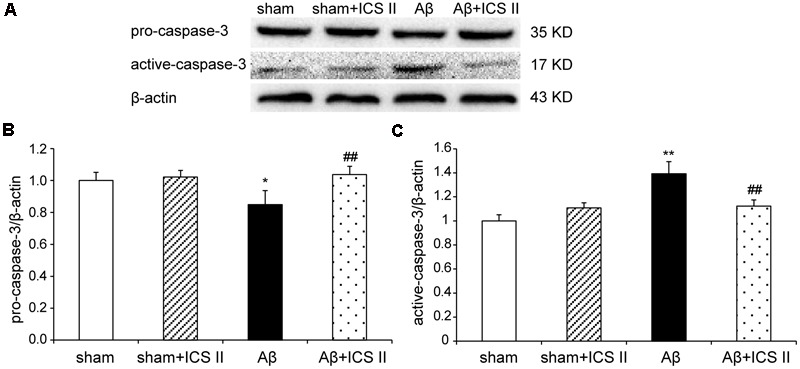
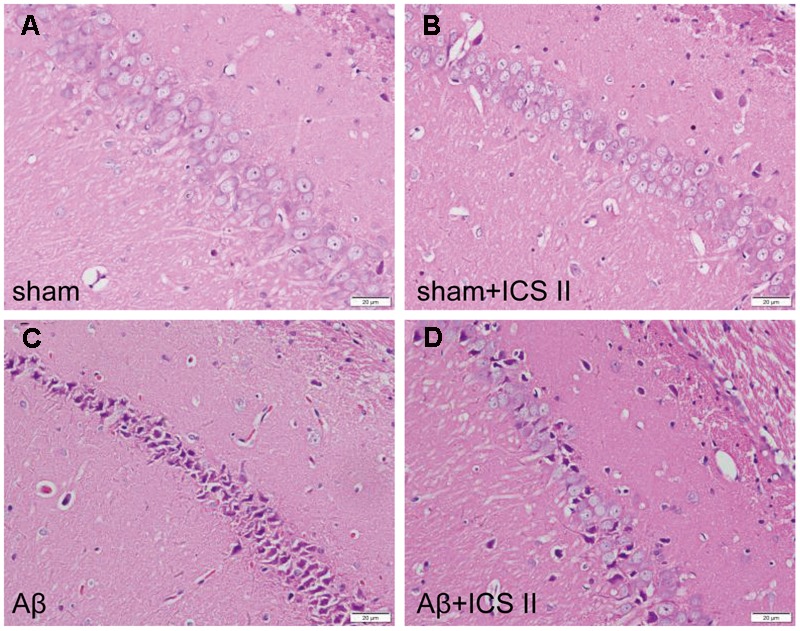
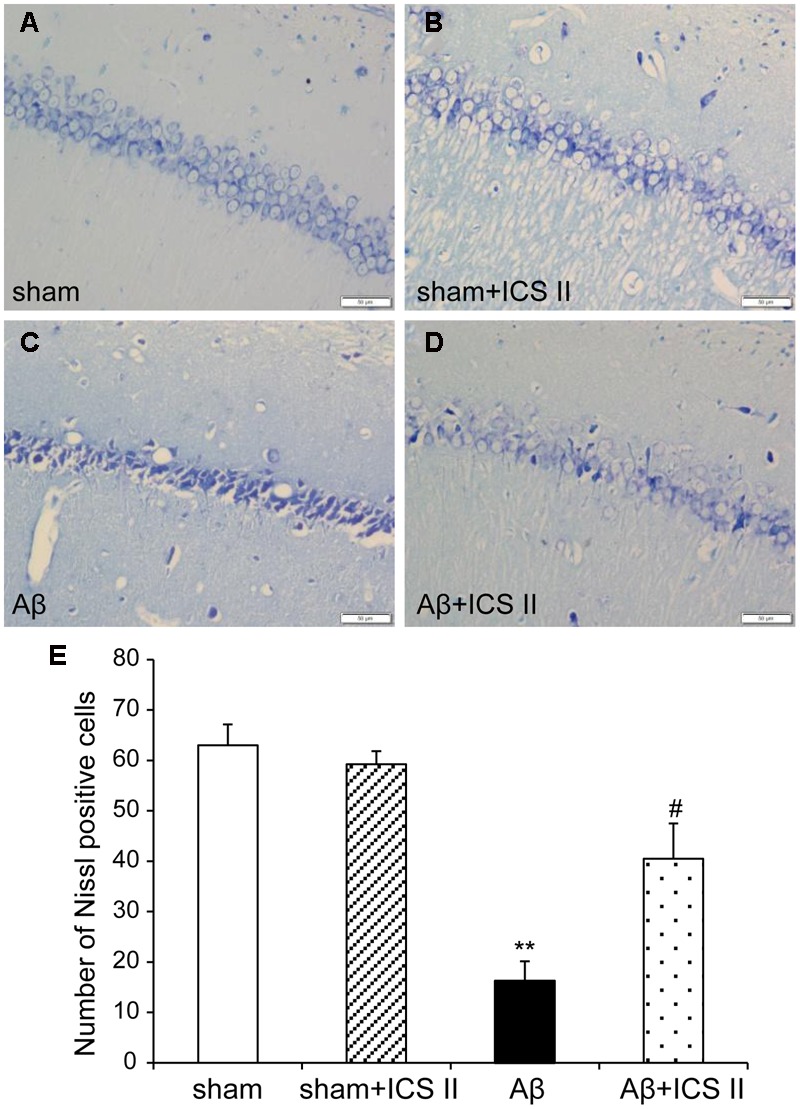
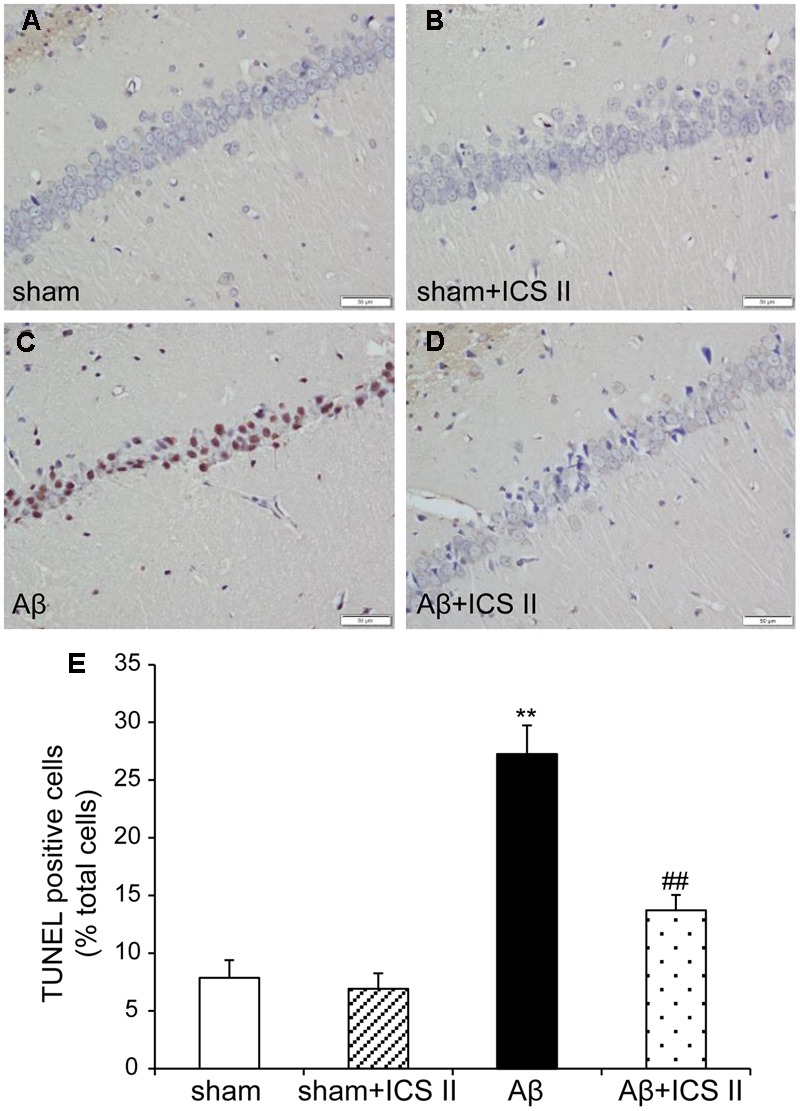
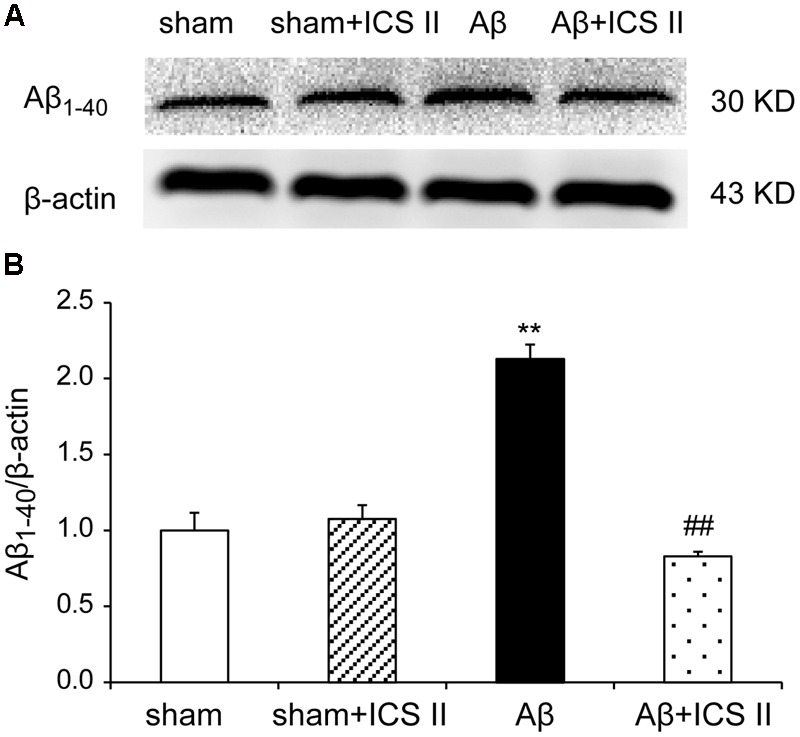
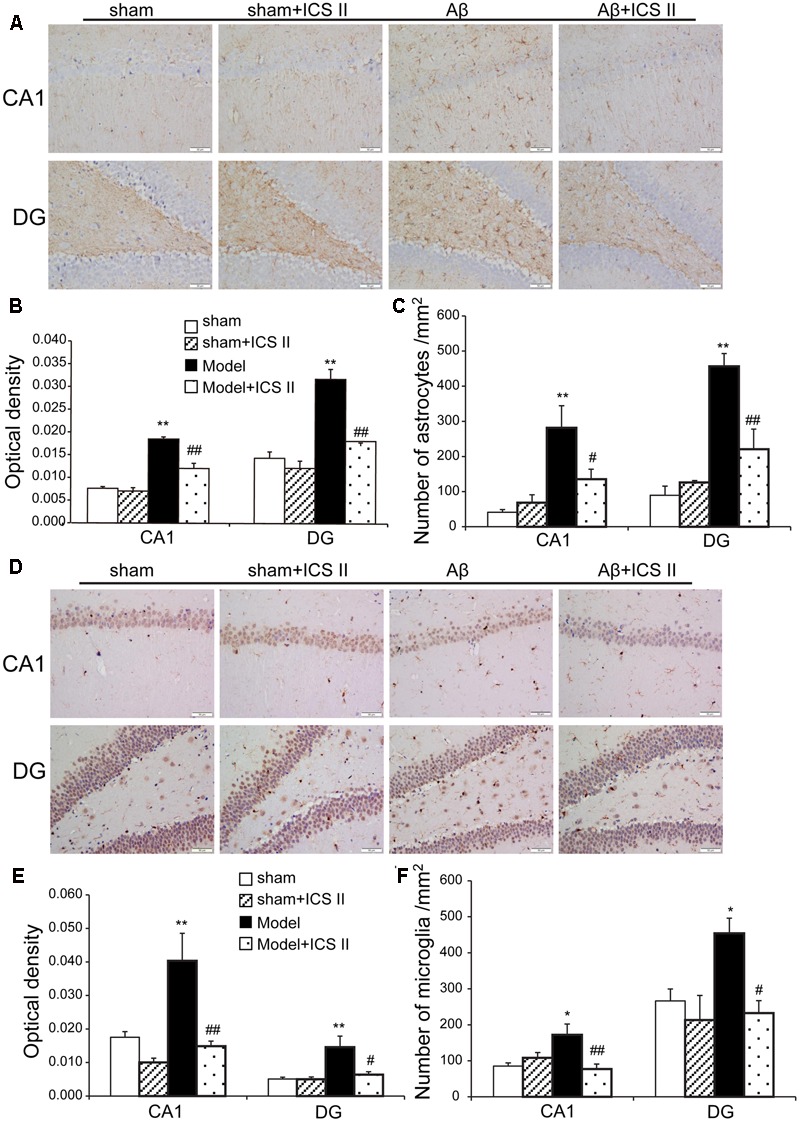
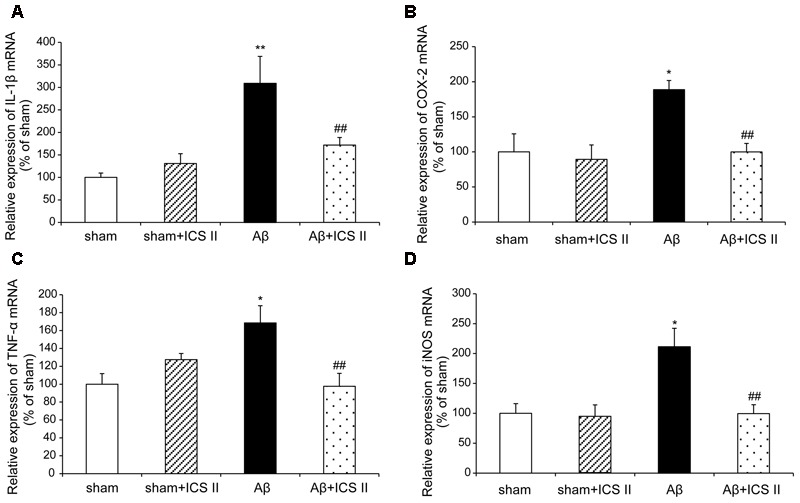
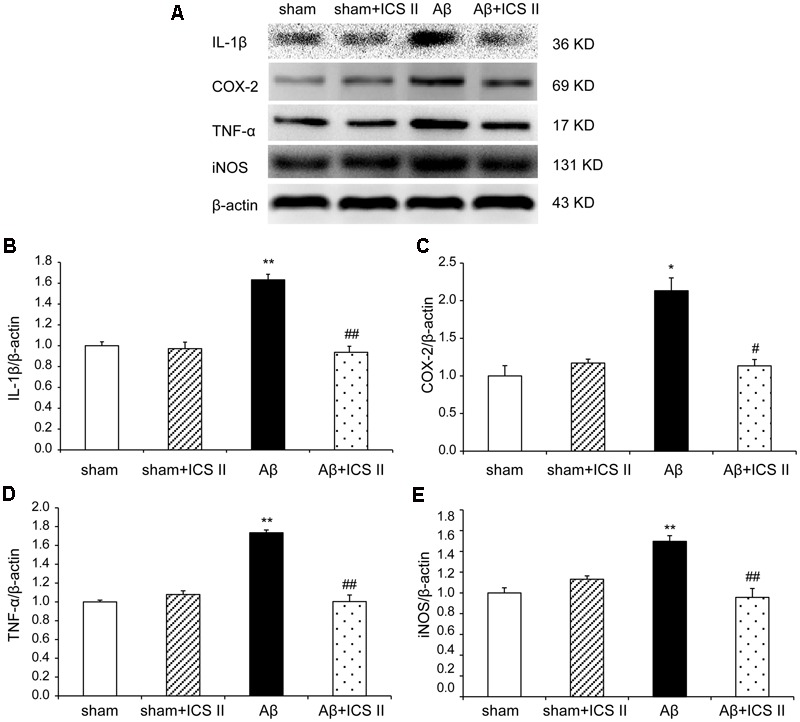
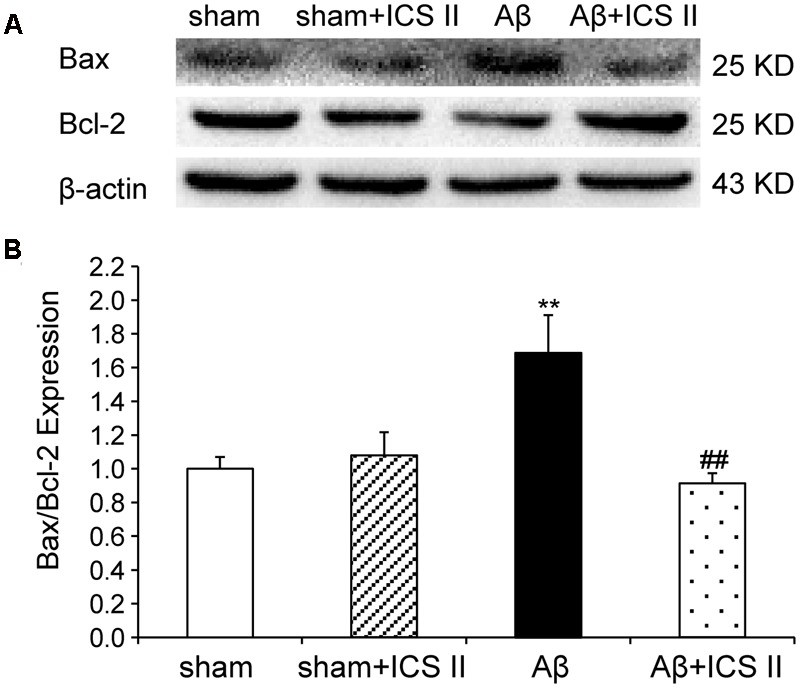
Beta-amyloid (Aβ) deposition, associated neuronal apoptosis and neuroinflammation are considered as the important factors which lead to cognitive deficits in Alzheimer's disease (AD). Icariside II (ICS II), an active flavonoid compound derived from Maxim, has been extensively used to treat erectile dysfunction, osteoporosis and dementia in traditional Chinese medicine. Recently, ICS II attracts great interest due to its broad-spectrum anti-cancer property. ICS II shows an anti-inflammatory potential both in cancer treatment and cerebral ischemia-reperfusion. It is not yet clear whether the anti-inflammatory effect of ICS II could delay progression of AD. Therefore, the current study aimed to investigate the effects of ICS II on the behavioral deficits, Aβ levels, neuroinflammatory responses and apoptosis in Aβ-treated rats. We found that bilateral hippocampal injection of Aβ induced cognitive impairment, neuronal damage, along with increase of Aβ, inflammation and apoptosis in hippocampus of rats. However, treatment with ICS II 20 mg/kg could improve the cognitive deficits, ameliorate neuronal death, and reduce the levels of Aβ in the hippocampus. Furthermore, ICS II could suppress microglial and astrocytic activation, inhibit expression of IL-1β, TNF-α, COX-2, and iNOS mRNA and protein, and attenuate the Aβ induced Bax/Bcl-2 ratio elevation and caspase-3 activation. In conclusion, these results showed that ICS II could reverse Aβ-induced cognitive deficits, possibly via the inhibition of neuroinflammation and apoptosis, which suggested a potential protective effect of ICS II on AD.
β-淀粉样蛋白(Aβ)沉积、相关神经元凋亡和神经炎症被认为是导致阿尔茨海默病(AD)认知缺陷的重要因素。淫羊藿次苷II(ICS II)是一种从淫羊藿中提取的活性黄酮类化合物,在传统中医中已被广泛用于治疗勃起功能障碍、骨质疏松症和痴呆症。最近,ICS II因其广谱抗癌特性而备受关注。ICS II在癌症治疗和脑缺血再灌注中均显示出抗炎潜力。ICS II的抗炎作用是否能延缓AD的进展尚不清楚。因此,本研究旨在探讨ICS II对Aβ处理大鼠行为缺陷、Aβ水平、神经炎症反应和细胞凋亡的影响。我们发现双侧海马注射Aβ可诱导大鼠认知障碍、神经元损伤,同时海马中Aβ、炎症和细胞凋亡增加。然而,20 mg/kg的ICS II治疗可改善认知缺陷,减轻神经元死亡,并降低海马中Aβ的水平。此外,ICS II可抑制小胶质细胞和星形胶质细胞的激活,抑制IL-1β、TNF-α、COX-2和iNOS mRNA及蛋白的表达,并减弱Aβ诱导的Bax/Bcl-2比值升高和caspase-3激活。总之,这些结果表明ICS II可能通过抑制神经炎症和细胞凋亡来逆转Aβ诱导的认知缺陷,提示ICS II对AD具有潜在的保护作用。