Grau-Monge Cristina, Delcroix Gaëtan J-R, Bonnin-Marquez Andrea, Valdes Mike, Awadallah Ead Lewis Mazen, Quevedo Daniel F, Armour Maxime R, Montero Ramon B, Schiller Paul C, Andreopoulos Fotios M, D'Ippolito Gianluca
Department of Orthopaedics, University of Miami Miller School of Medicine, FL, United States of America. Geriatric Research, Education, and Clinical Center and Research Service, Bruce W. Carter VAMC, Miami, FL, United States of America.
Biomed Mater. 2017 Feb 17;12(1):015024. doi: 10.1088/1748-605X/aa5a74.
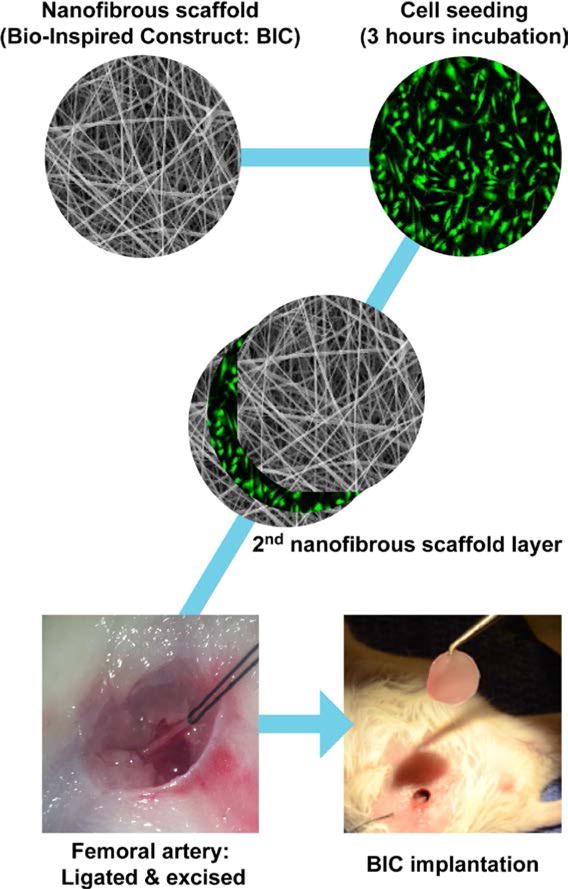
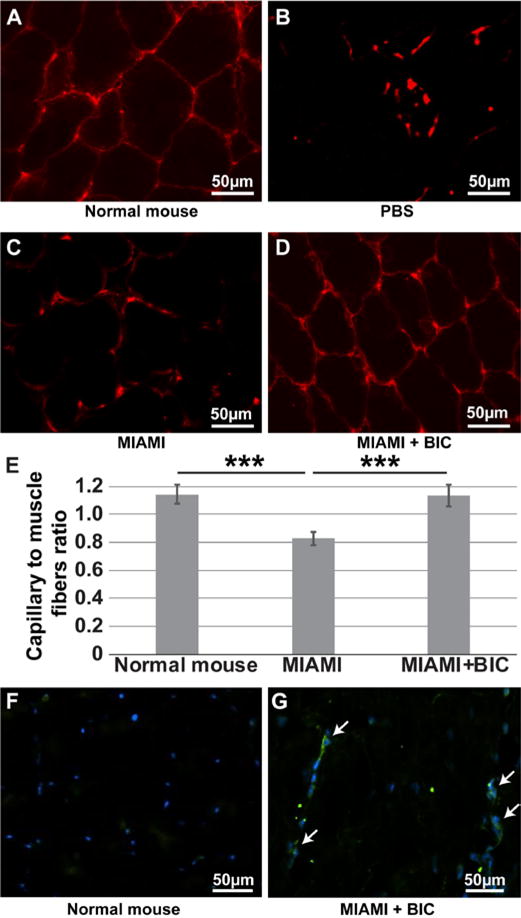
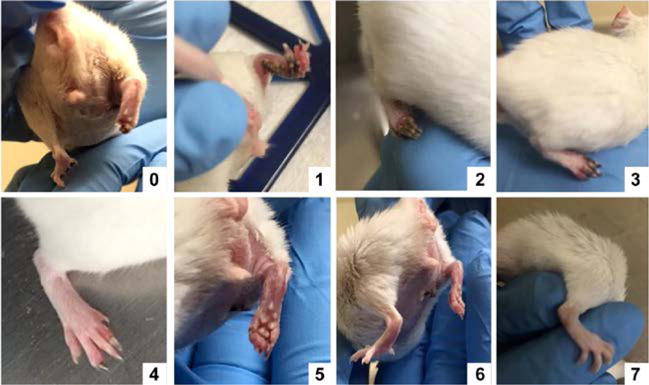
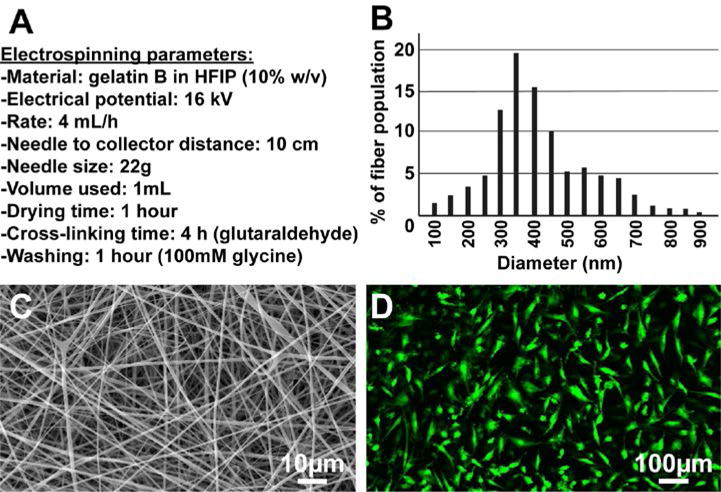
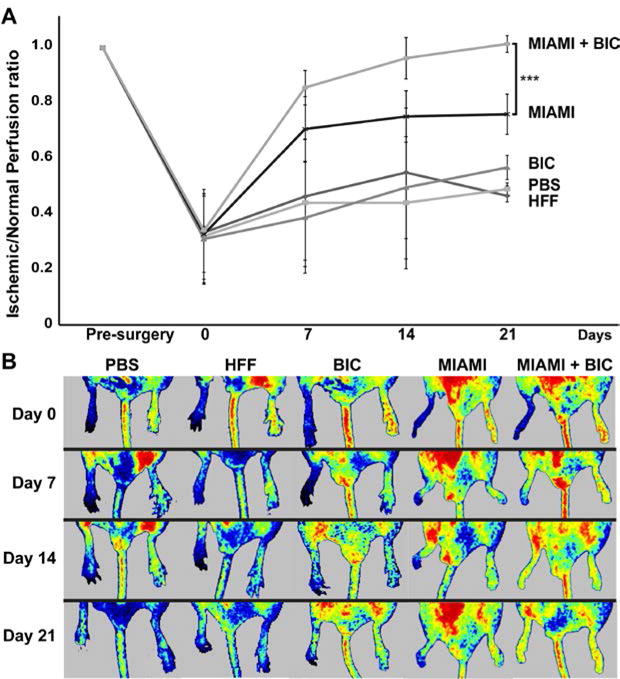
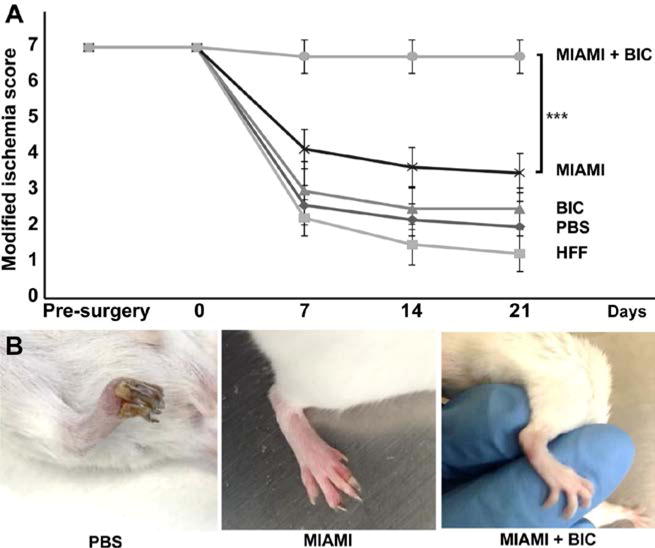
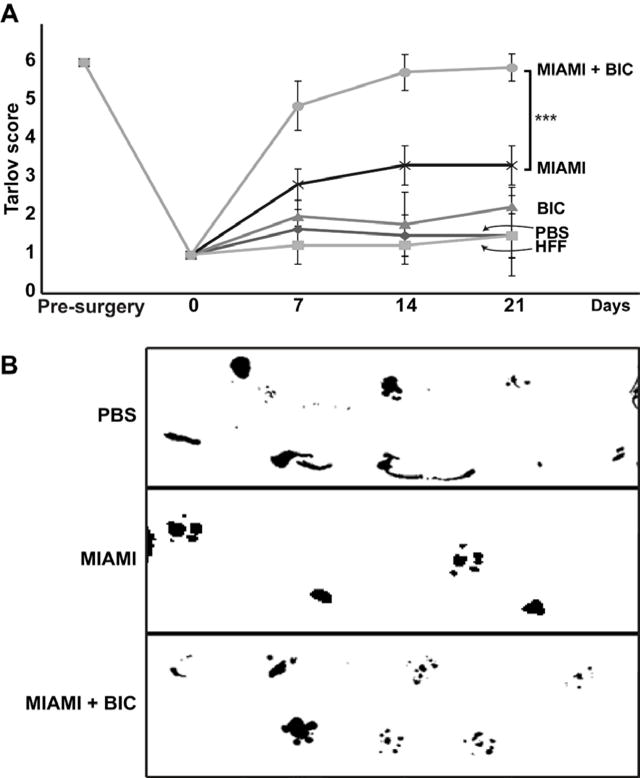
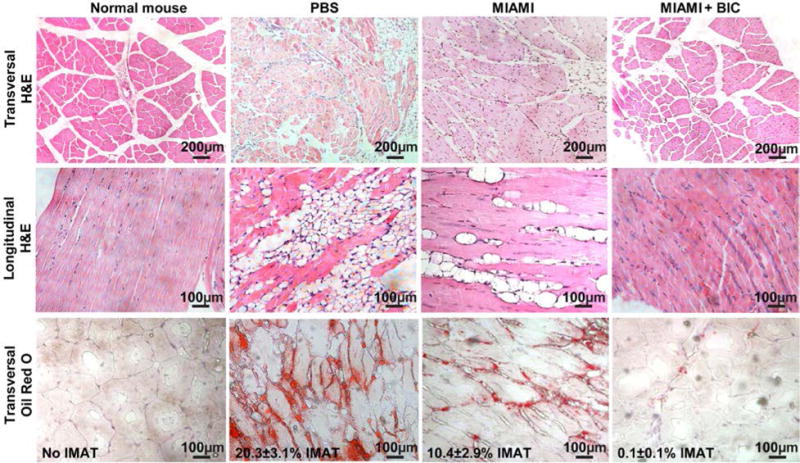
Peripheral vascular disease is one of the major vascular complications in individuals suffering from diabetes and in the elderly that is associated with significant burden in terms of morbidity and mortality. Stem cell therapy is being tested as an attractive alternative to traditional surgery to prevent and treat this disorder. The goal of this study was to enhance the protective and reparative potential of marrow-isolated adult multilineage inducible (MIAMI) cells by incorporating them within a bio-inspired construct (BIC) made of two layers of gelatin B electrospun nanofibers. We hypothesized that the BIC would enhance MIAMI cell survival and engraftment, ultimately leading to a better functional recovery of the injured limb in our mouse model of critical limb ischemia compared to MIAMI cells used alone. Our study demonstrated that MIAMI cell-seeded BIC resulted in a wide range of positive outcomes with an almost full recovery of blood flow in the injured limb, thereby limiting the extent of ischemia and necrosis. Functional recovery was also the greatest when MIAMI cells were combined with BICs, compared to MIAMI cells alone or BICs in the absence of cells. Histology was performed 28 days after grafting the animals to explore the mechanisms at the source of these positive outcomes. We observed that our critical limb ischemia model induces an extensive loss of muscular fibers that are replaced by intermuscular adipose tissue (IMAT), together with a highly disorganized vascular structure. The use of MIAMI cells-seeded BIC prevented IMAT infiltration with some clear evidence of muscular fibers regeneration.
外周血管疾病是糖尿病患者和老年人主要的血管并发症之一,在发病率和死亡率方面带来了巨大负担。干细胞疗法正作为传统手术的一种有吸引力的替代方法进行测试,以预防和治疗这种疾病。本研究的目的是通过将骨髓分离的成人多谱系诱导(MIAMI)细胞整合到由两层明胶B电纺纳米纤维制成的仿生构建体(BIC)中,增强其保护和修复潜力。我们假设,与单独使用MIAMI细胞相比,在我们的严重肢体缺血小鼠模型中,BIC将提高MIAMI细胞的存活率和植入率,最终导致受伤肢体更好的功能恢复。我们的研究表明,接种了MIAMI细胞的BIC产生了广泛的积极结果,受伤肢体的血流几乎完全恢复,从而限制了缺血和坏死的程度。与单独的MIAMI细胞或无细胞的BIC相比,当MIAMI细胞与BIC联合使用时,功能恢复也最为显著。在将动物移植28天后进行组织学检查,以探究这些积极结果的根源机制。我们观察到,我们的严重肢体缺血模型导致大量肌纤维丧失,被肌间脂肪组织(IMAT)取代,同时血管结构高度紊乱。使用接种了MIAMI细胞的BIC可防止IMAT浸润,并有一些明显的肌纤维再生证据。