Krawczenko Agnieszka, Bielawska-Pohl Aleksandra, Wojtowicz Karolina, Jura Roksana, Paprocka Maria, Wojdat Elżbieta, Kozłowska Urszula, Klimczak Aleksandra, Grillon Catherine, Kieda Claudine, Duś Danuta
Hirszfeld Institute of Immunology and Experimental Therapy, Polish Academy of Sciences, Wroclaw, Poland.
Department of Histology and Embryology, Poznan University of Medical Sciences, Poznan, Poland.
PLoS One. 2017 Feb 17;12(2):e0172371. doi: 10.1371/journal.pone.0172371. eCollection 2017.
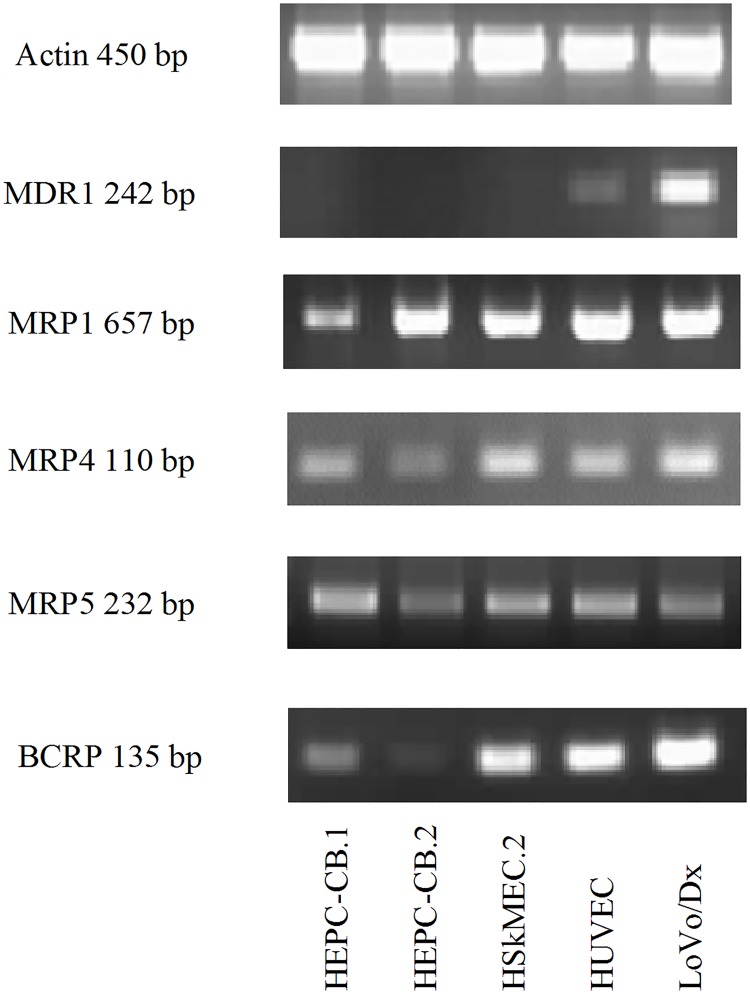
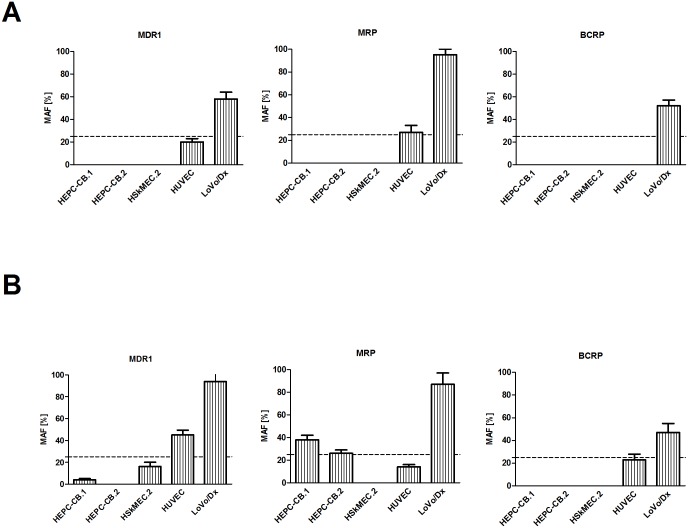
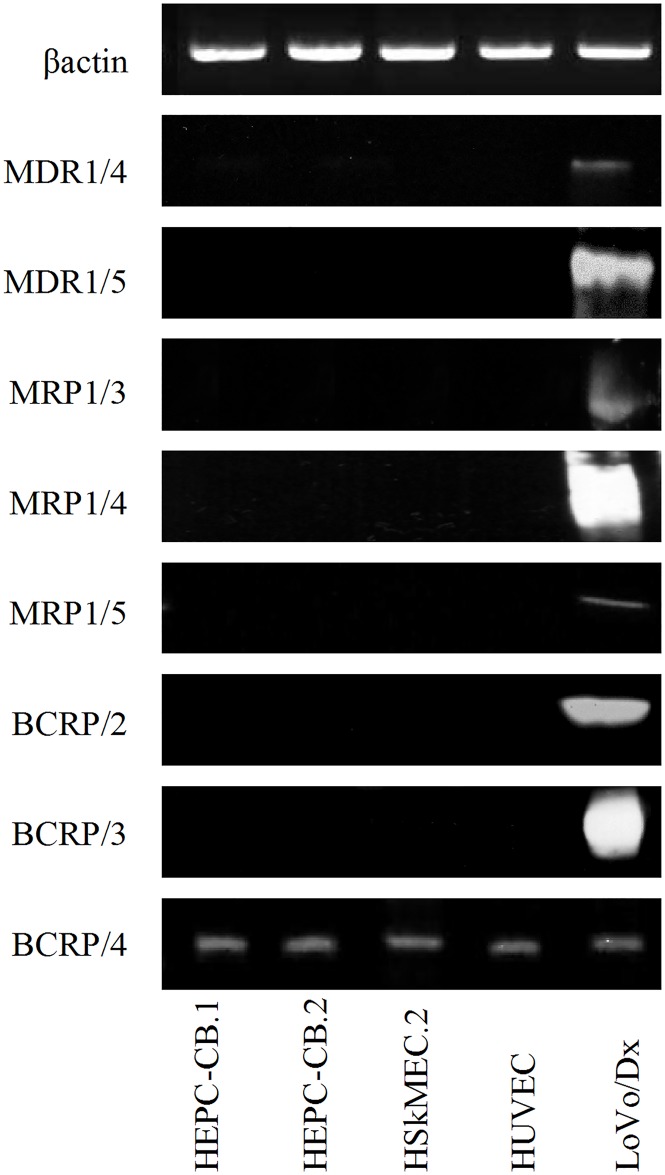
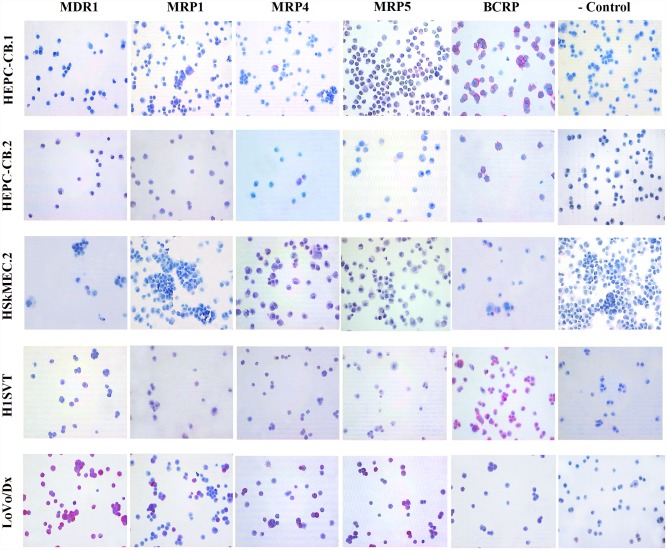
Active cellular transporters of harmful agents-multidrug resistance (mdr) proteins-are present in tumor, stem and endothelial cells, among others. While mdr proteins are broadly studied in tumor cells, their role in non-tumor cells and the significance of their action not connected with removal of harmful xenobiotics is less extensively documented. Proper assessment of mdr proteins expression is difficult. Mdr mRNA presence is most often evaluated but that does not necessarily correlate with the protein level. The protein expression itself is difficult to determine; usually cells with mdr overexpression are studied, not cells under physiological conditions, in which a low expression level of mdr protein is often insufficient for detection in vitro. Various methods are used to identify mdr mRNA and protein expression, together with functional tests demonstrating their biological drug transporting activities. Data comparing different methods of investigating expression of mdr mRNAs and their corresponding proteins are still scarce. In this article we present the results of a study concerning mdr mRNA and protein expression. Our goal was to search for the best method to investigate the expression level and functional activity of five selected mdr proteins-MDR1, BCRP, MRP1, MRP4 and MRP5-in established in vitro cell lines of human endothelial cells (ECs) and their progenitors. Endothelial cells demonstrated mdr presence at the mRNA level, which was not always confirmed at the protein level or in functional tests. Therefore, several different assays had to be applied for evaluation of mdr proteins expression and functions in endothelial cells. Among them functional tests seemed to be the most conclusive, although not very specific.
有害药物的活性细胞转运体——多药耐药(mdr)蛋白——存在于肿瘤细胞、干细胞和内皮细胞等细胞中。虽然mdr蛋白在肿瘤细胞中得到了广泛研究,但它们在非肿瘤细胞中的作用以及其与清除有害外源性物质无关的作用的重要性,相关文献记载较少。对mdr蛋白表达进行恰当评估较为困难。mdr mRNA的存在情况最常被评估,但这不一定与蛋白水平相关。蛋白表达本身难以确定;通常研究的是mdr过表达的细胞,而非生理条件下的细胞,在生理条件下mdr蛋白的低表达水平往往在体外检测不到。人们使用各种方法来鉴定mdr mRNA和蛋白表达,以及证明其生物药物转运活性的功能测试。比较研究mdr mRNA及其相应蛋白表达的不同方法的数据仍然很少。在本文中,我们展示了一项关于mdr mRNA和蛋白表达的研究结果。我们的目标是寻找最佳方法来研究人内皮细胞(ECs)及其祖细胞的体外细胞系中五种选定的mdr蛋白——MDR1、BCRP、MRP1、MRP4和MRP5——的表达水平和功能活性。内皮细胞在mRNA水平显示出mdr的存在,但在蛋白水平或功能测试中并不总是得到证实。因此,必须应用几种不同的检测方法来评估内皮细胞中mdr蛋白的表达和功能。其中功能测试似乎最具决定性,尽管不是很特异。