Bao Junxiang, Li Guangbi, Yuan Xinxu, Li Pin-Lan, Gulbins Erich
Cell Physiol Biochem. 2017;41(2):555-568. doi: 10.1159/000457877. Epub 2017 Feb 3.
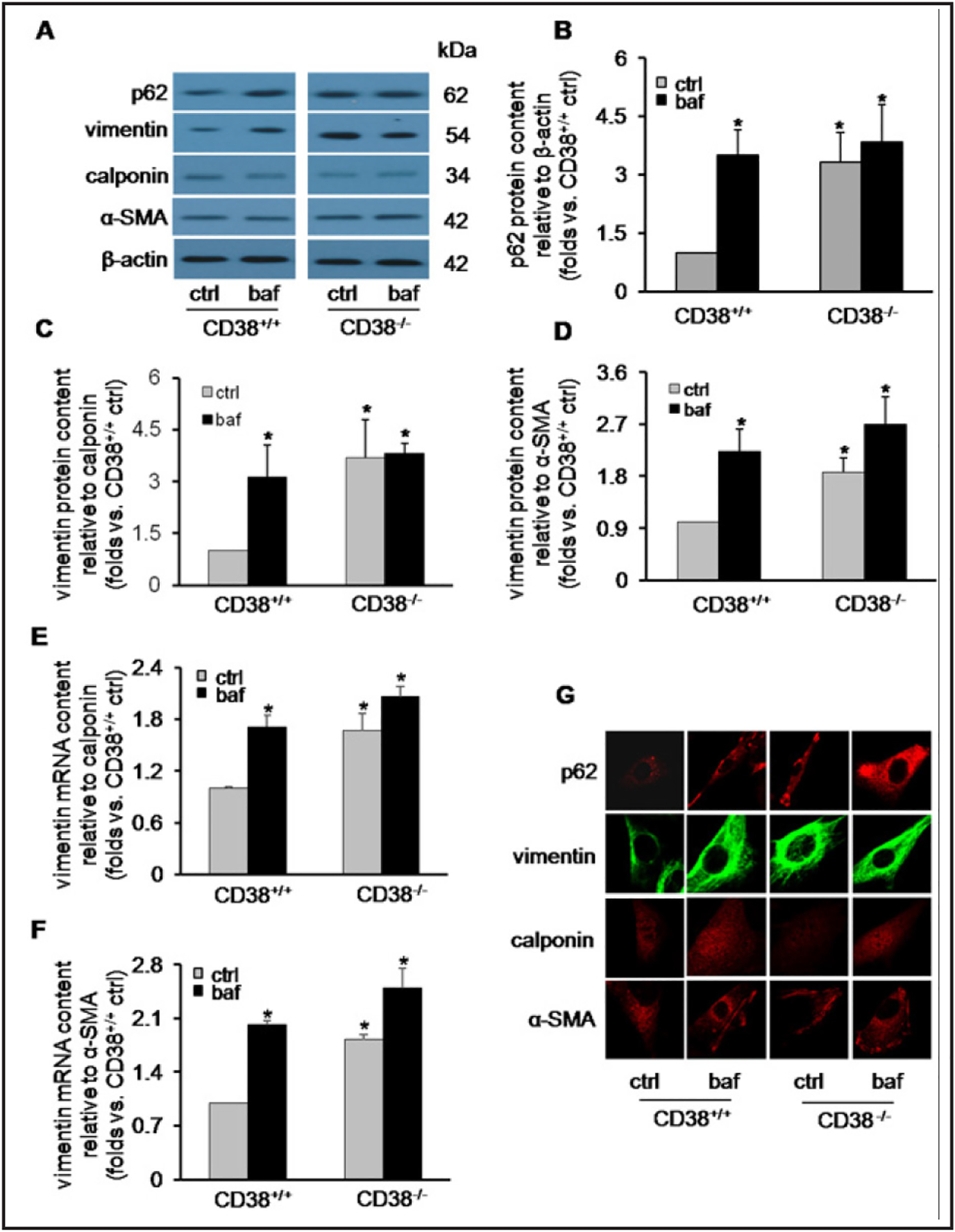
Autophagy disorder contributes to dedifferentiation of arterial smooth muscle cells, but the mechanisms are poorly understood. Here, we sought to investigate the role of scaffolding adaptor p62/SQSTM1 (p62) in phenotype switching of mouse coronary arterial myocytes (CAMs) induced by CD38 gene deficiency or lysosomal dysfunction which blocks autophagic flux in the cells.
Protein expression was measured by western blot analysis and immunofluorescent staining. Cell cycle and proliferation rate were analyzed by flow cytometry and MTS assay respectively. mRNA abundance was tested by qRT-PCR.
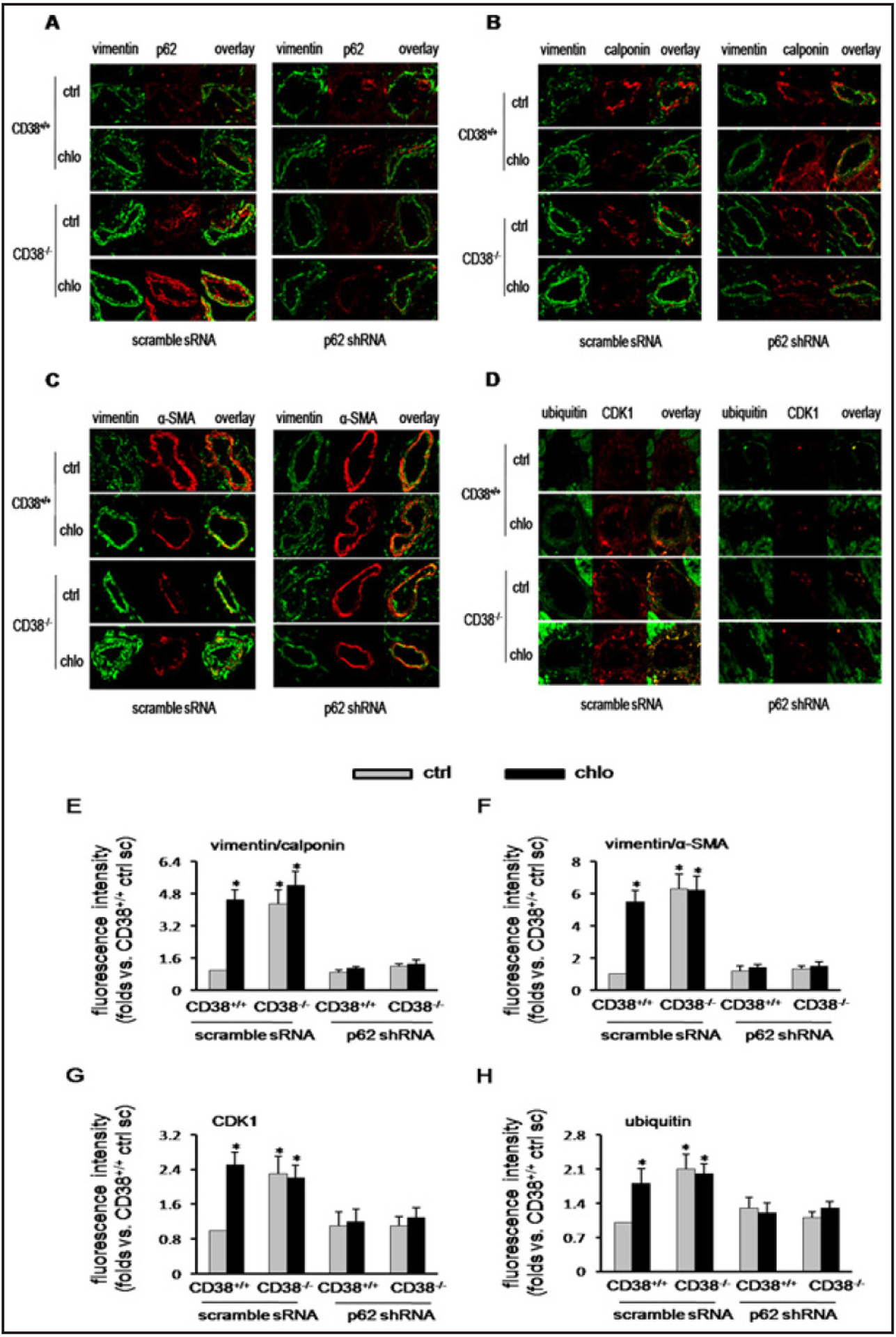
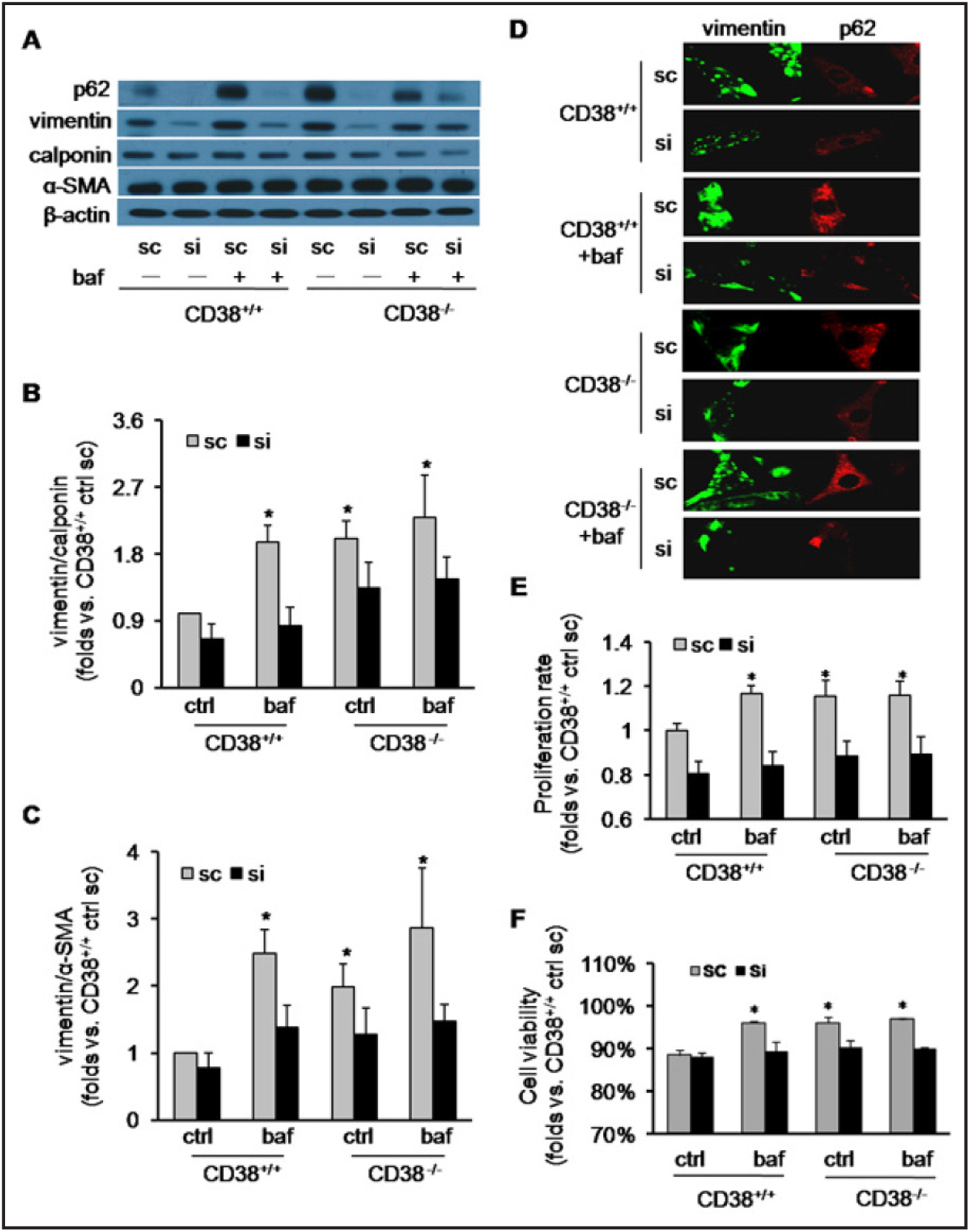
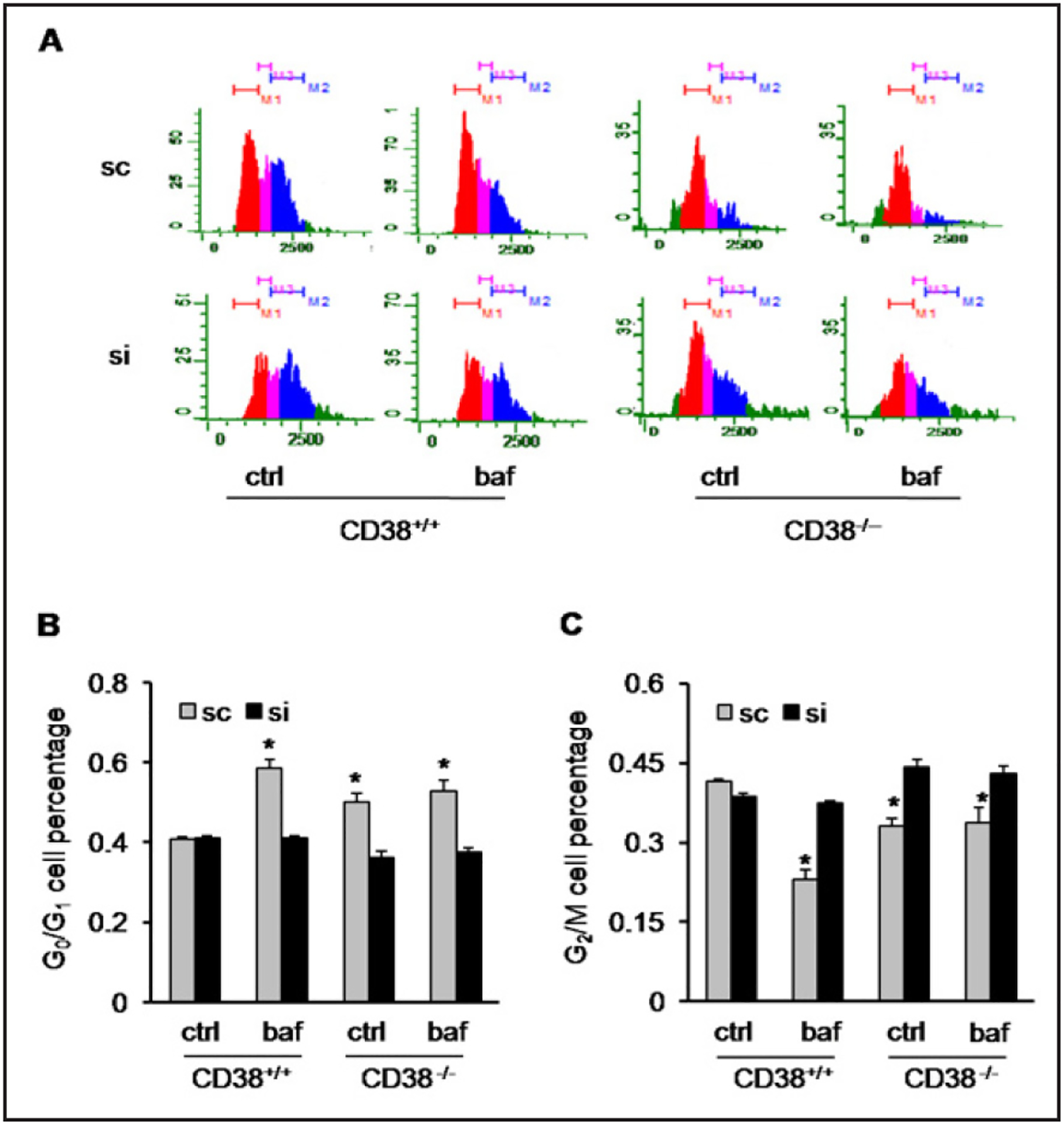
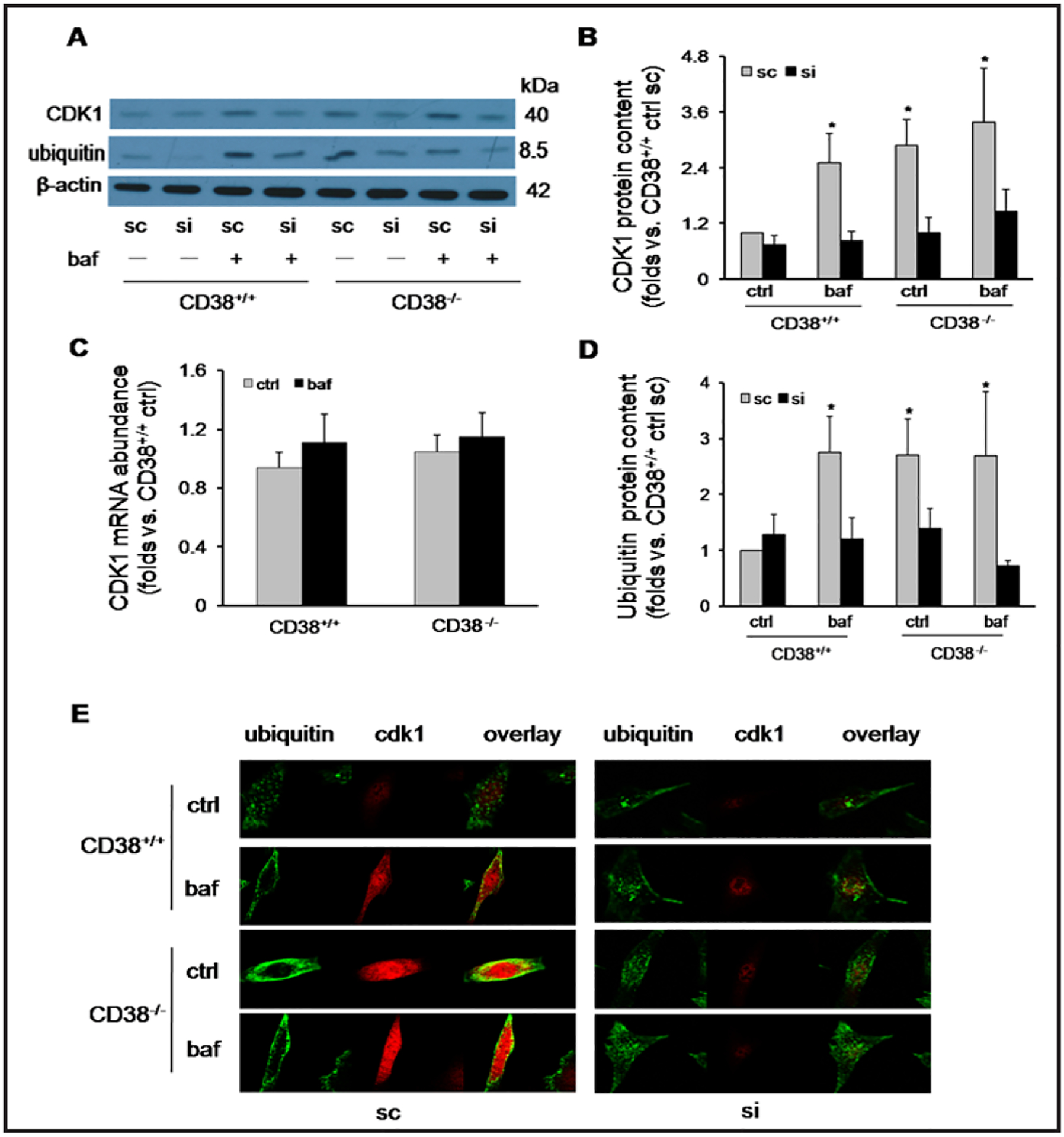
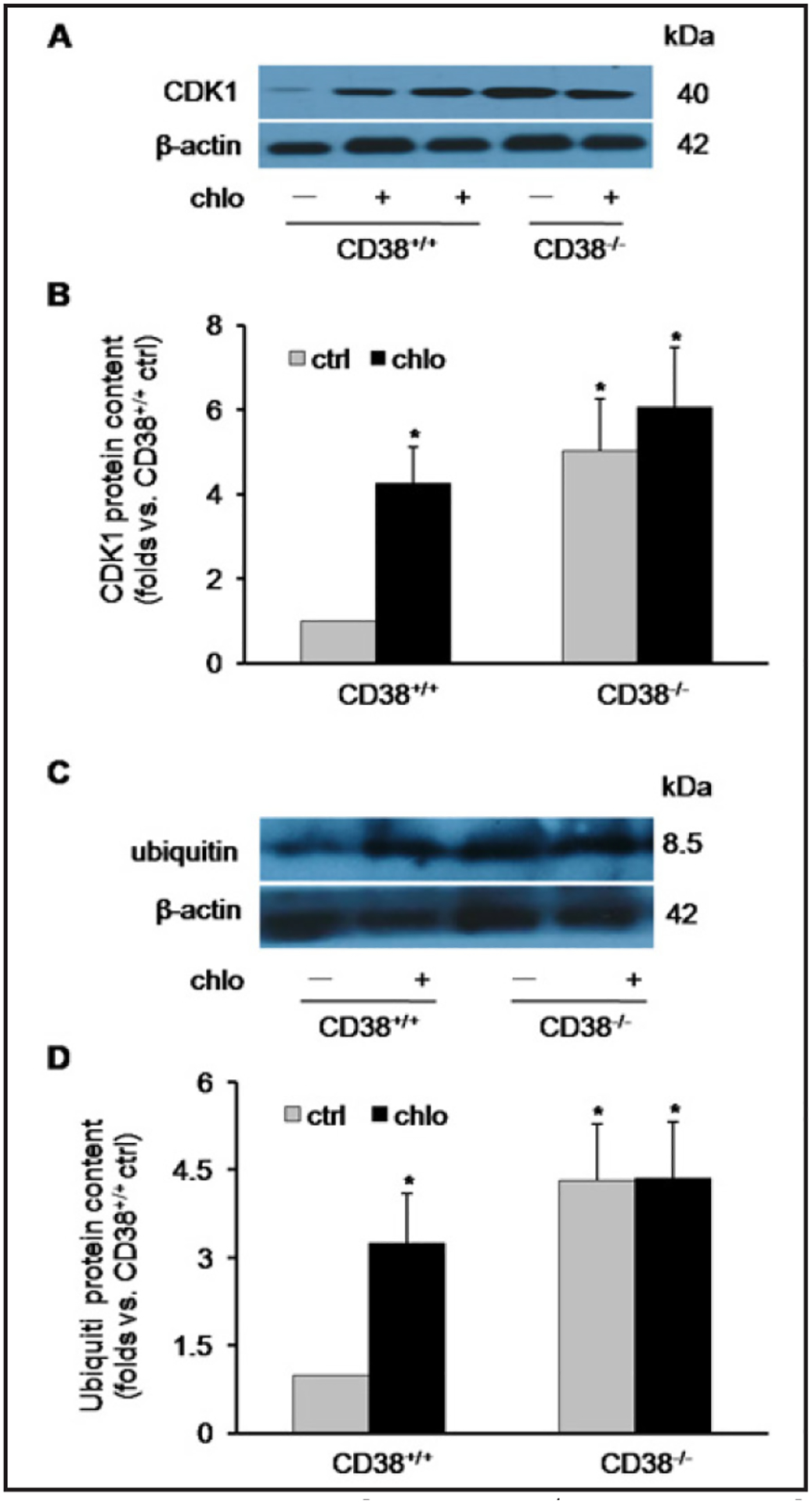
CD38 gene deficiency or bafilomycin A1 (baf), a selective lysosomal inhibitor treatment increased proliferation rate and vimentin expression in CAMs which was prevented by p62 gene silencing. Cell percentage in G2/M and G0/G1 phase was decreased and increased by CD38 deficiency or baf treatment, respectively which was accompanied by accrual of cyclin-dependent kinase 1 (CDK1) protein. Although free ubiquitin content was increased, the colocalization of it to CDK1 was markedly decreased in CD38-/- or baf treated CAMs. Furthermore, the changes in both cell cycle and CDK1 ubiquitinylation could be restored by p62 gene silencing.
The results suggest in CD38-/- or baf treated CAMs, p62 accumulation promotes phenotype transition and proliferation by accelerating cell cycle progress through G2/M which might relate to the compromised ubiquitinylation and degradation of CDK1.
自噬功能障碍会导致动脉平滑肌细胞去分化,但其机制尚不清楚。在此,我们旨在研究支架衔接蛋白p62/SQSTM1(p62)在由CD38基因缺陷或溶酶体功能障碍诱导的小鼠冠状动脉肌细胞(CAMs)表型转换中的作用,CD38基因缺陷或溶酶体功能障碍会阻断细胞中的自噬流。
通过蛋白质印迹分析和免疫荧光染色测量蛋白质表达。分别通过流式细胞术和MTS测定法分析细胞周期和增殖率。通过qRT-PCR检测mRNA丰度。
CD38基因缺陷或巴佛洛霉素A1(baf,一种选择性溶酶体抑制剂)处理可增加CAMs中的增殖率和波形蛋白表达,而p62基因沉默可阻止这种情况。CD38缺陷或baf处理分别降低和增加了G2/M期和G0/G1期的细胞百分比,这伴随着细胞周期蛋白依赖性激酶1(CDK1)蛋白的积累。尽管游离泛素含量增加,但在CD38基因敲除或baf处理的CAMs中,其与CDK1的共定位明显减少。此外,p62基因沉默可恢复细胞周期和CDK1泛素化的变化。
结果表明,在CD38基因敲除或baf处理的CAMs中,p62的积累通过加速细胞通过G2/M期的进程来促进表型转变和增殖,这可能与CDK1的泛素化和降解受损有关。