Russo Daniela, Merolla Francesco, Mascolo Massimo, Ilardi Gennaro, Romano Simona, Varricchio Silvia, Napolitano Virginia, Celetti Angela, Postiglione Loredana, Di Lorenzo Pier Paolo, Califano Luigi, Dell'Aversana Giovanni Orabona, Astarita Fabio, Romano Maria Fiammetta, Staibano Stefania
Department of Advanced Biomedical Sciences, University "Federico II", 80131 Naples, Italy.
Department of Medicine and Health Sciences "V. Tiberio", University of Molise, 86100 Campobasso, Italy.
Int J Mol Sci. 2017 Feb 18;18(2):443. doi: 10.3390/ijms18020443.
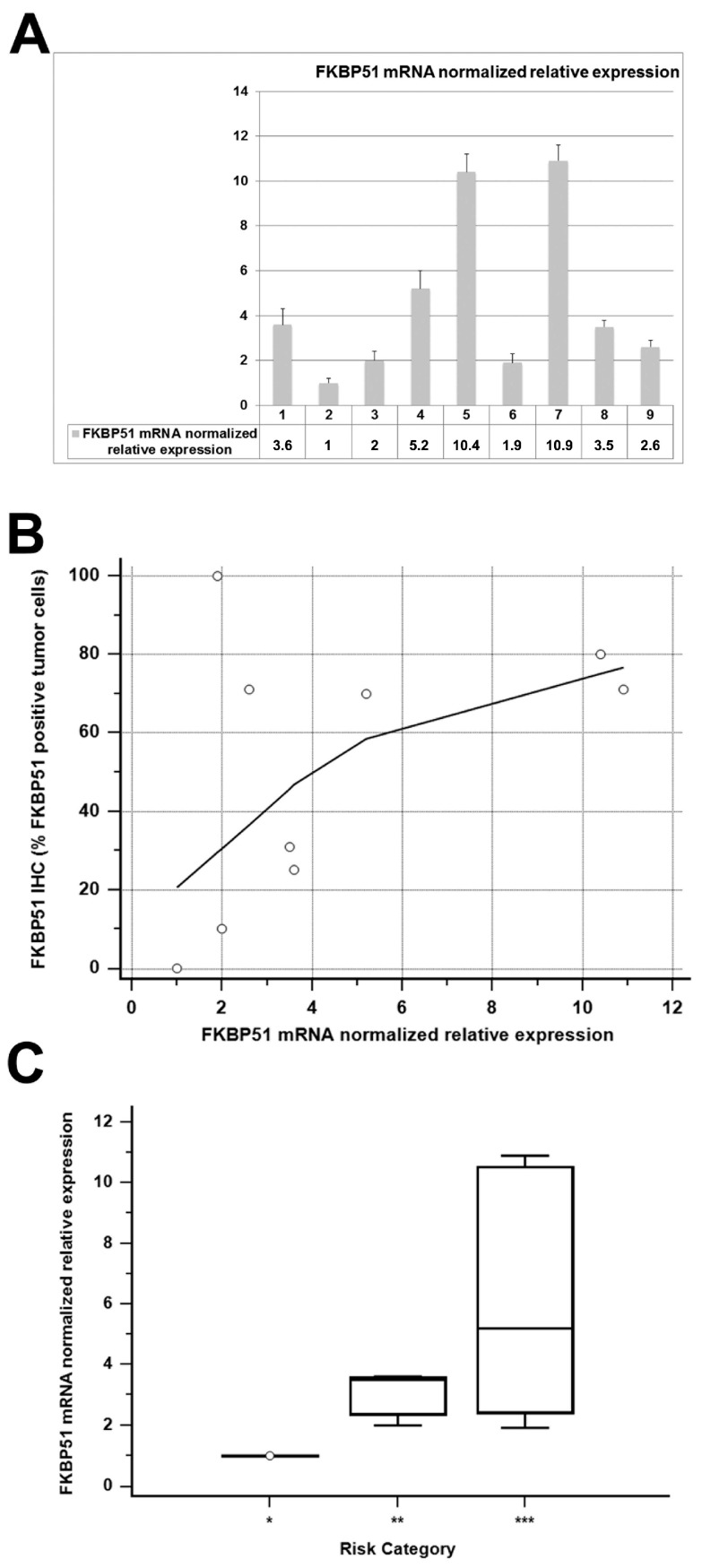
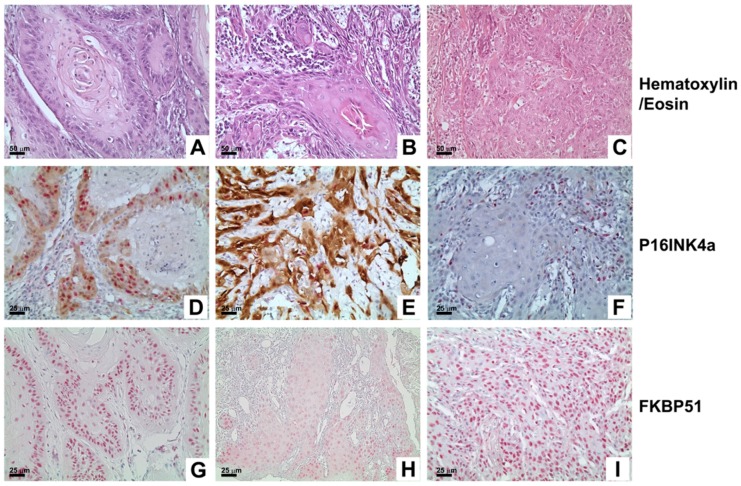
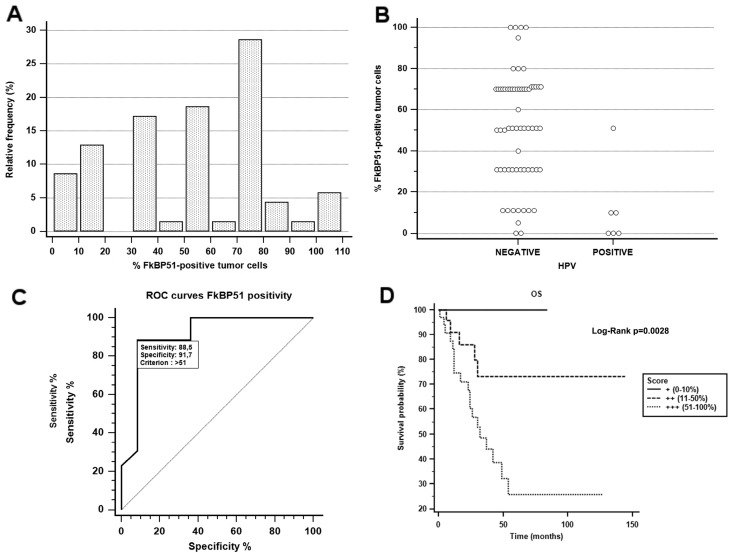
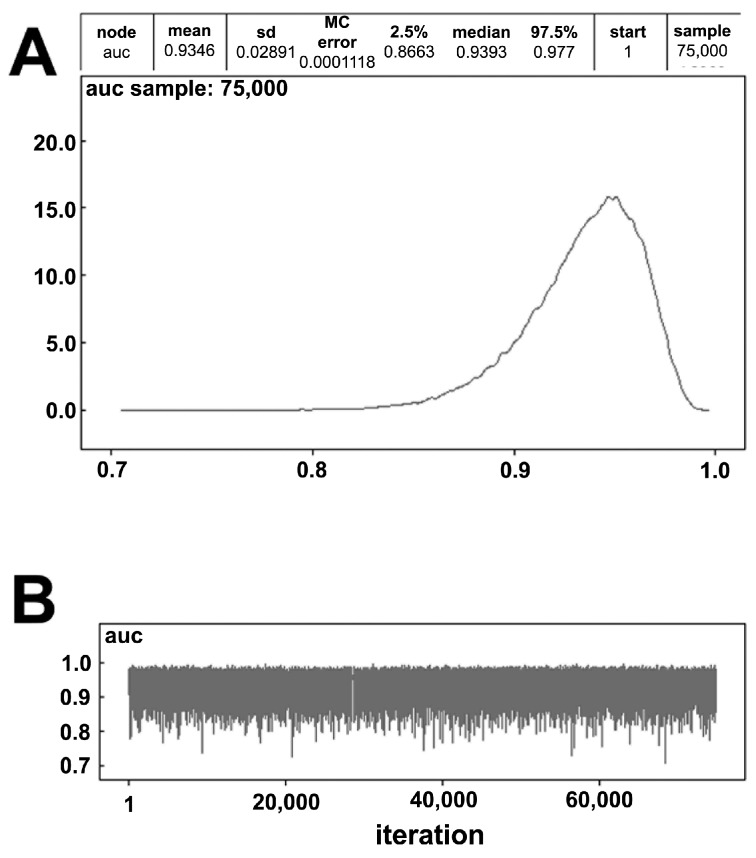
Up-to-date, several molecular markers of prognosis have been studied in Oral Squamous Cell Carcinoma (OSCC), but none entered in the clinical setting. Therapy of OSCC tumors mainly relies on surgery, radiotherapy and partially on chemotherapy; there is an urgent need for biomarkers able to better stratify OSCC patients' risk to address targeted therapeutic strategies. The role of immune response in the pathogenesis and biological behavior of OSCC has been investigated by several authors, and promising results have been obtained with immune checkpoint inhibitors. We already investigated the role of the immune modulator FK506-binding protein 51 (FKBP51), a FK506-binding immunophilin, in cutaneous melanoma biology, and its expression in several human solid tumors. In the present study, we aimed to assess the value of FKBP51 expression in OSCC tumor cells as a marker of outcome. We collected clinical data from 72 patients who underwent surgery for Squamous Cell Carcinoma (SCC) of the tongue, floor, lips and palate. FKBP51 expression was assessed by immunohistochemistry on paraffin-embedded tumor tissues. In addition, we evaluated the human papillomavirus (HPV) status of primary tumors by immunohistochemistry, viral subtyping and In Situ Hybridization (ISH) assay. We found that high FKBP51-expressing tumors characterized the OSCCs with the worst prognosis: the high immunohistochemical expression of FKBP51 associated with death occurring within five years from the diagnosis with a sensitivity of 88.46% and a specificity of 91.67%. The estimated positive predictive value of the test was 88.45% and negative predictive value 91.67%. We tested FKBP51 mRNA presence, by RT-PCR assay, in a selected series of OSCC tumors, and we found that mRNA correlated well to the protein expression and to the clinical outcome. Applying the Bayes formula, we estimated an 88% probability of dying within five years from the diagnosis of OSCC patients with a high FKBP51 immunohistochemical (IHC) test result (>51% of FKBP51 positive tumor cells). On the basis of our analysis, we propose tumor tissue expression of FKBP51 protein as a reliable prognostic marker for OSCC tumors.
目前,已经在口腔鳞状细胞癌(OSCC)中研究了几种预后分子标志物,但尚无一种进入临床应用。OSCC肿瘤的治疗主要依赖于手术、放疗,部分依赖于化疗;迫切需要能够更好地对OSCC患者风险进行分层的生物标志物,以制定靶向治疗策略。几位作者研究了免疫反应在OSCC发病机制和生物学行为中的作用,并且免疫检查点抑制剂已经取得了有前景的结果。我们已经研究了免疫调节剂FK506结合蛋白51(FKBP51),一种FK506结合亲免素,在皮肤黑色素瘤生物学中的作用及其在几种人类实体瘤中的表达。在本研究中,我们旨在评估OSCC肿瘤细胞中FKBP51表达作为预后标志物的价值。我们收集了72例接受舌、口底、唇和腭部鳞状细胞癌(SCC)手术患者的临床数据。通过免疫组织化学方法对石蜡包埋的肿瘤组织进行FKBP51表达评估。此外,我们通过免疫组织化学、病毒亚型分析和原位杂交(ISH)检测评估了原发性肿瘤的人乳头瘤病毒(HPV)状态。我们发现,高表达FKBP51的肿瘤是预后最差的OSCC:FKBP51的高免疫组织化学表达与诊断后五年内死亡相关,敏感性为88.46%,特异性为91.67%。该检测的估计阳性预测值为88.45%,阴性预测值为91.67%。我们通过RT-PCR检测在一系列选定的OSCC肿瘤中检测FKBP51 mRNA的存在,发现mRNA与蛋白表达和临床结果密切相关。应用贝叶斯公式,我们估计FKBP51免疫组织化学(IHC)检测结果高(FKBP51阳性肿瘤细胞>51%)的OSCC患者诊断后五年内死亡的概率为88%。基于我们的分析,我们提出FKBP51蛋白的肿瘤组织表达作为OSCC肿瘤可靠的预后标志物。