Hübscher Daniela, Kaiser Diana, Elsner Leslie, Monecke Sebastian, Dressel Ralf, Guan Kaomei
Department of Cardiology and Pneumology, University Medical Center Göttingen, Göttingen, Germany; DZHK (German Center for Cardiovascular Research), Partner Site Göttingen, Göttingen, Germany.
Department of Cardiology and Pneumology, University Medical Center Göttingen , Göttingen , Germany.
Front Immunol. 2017 Feb 6;8:67. doi: 10.3389/fimmu.2017.00067. eCollection 2017.
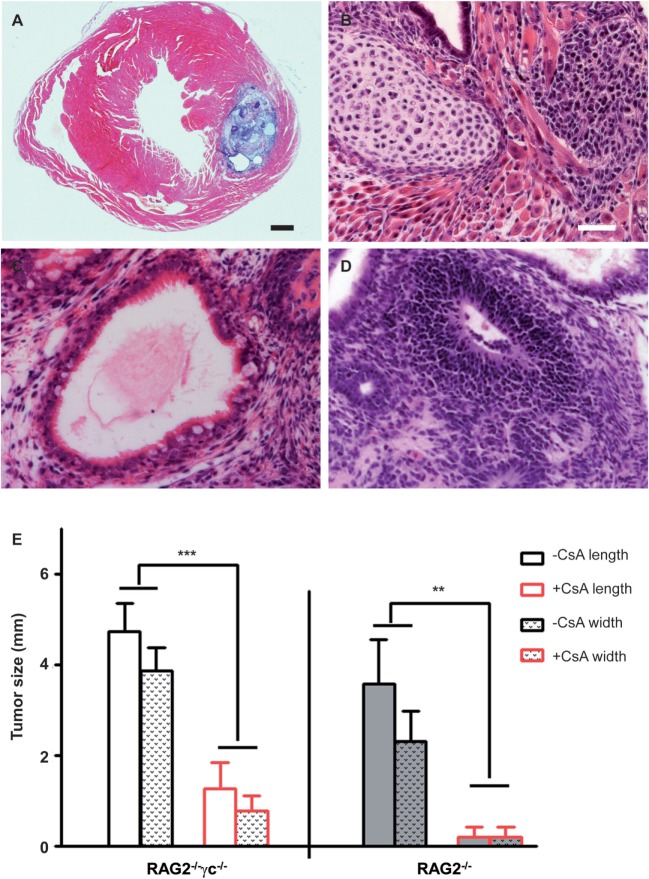
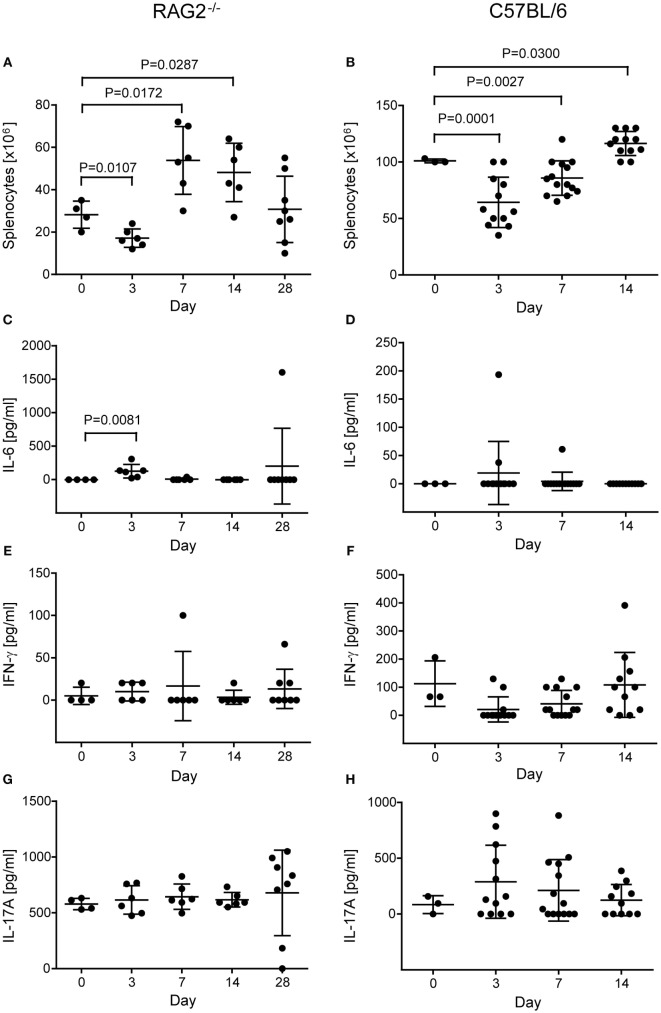
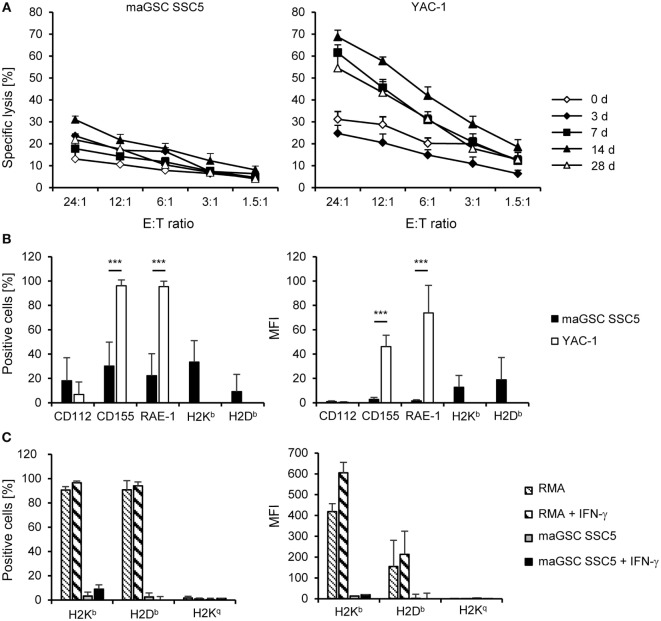
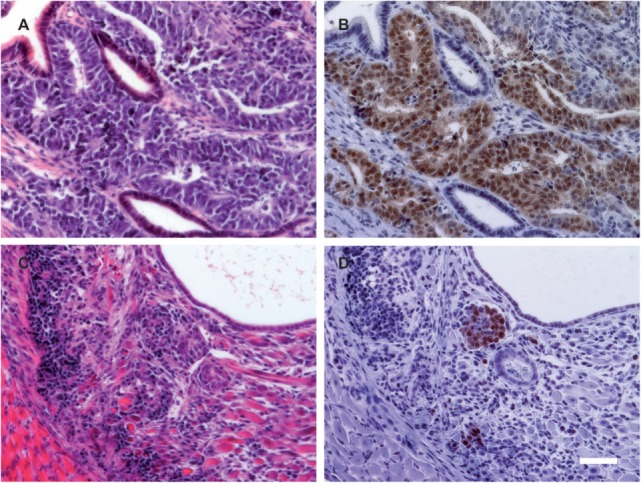
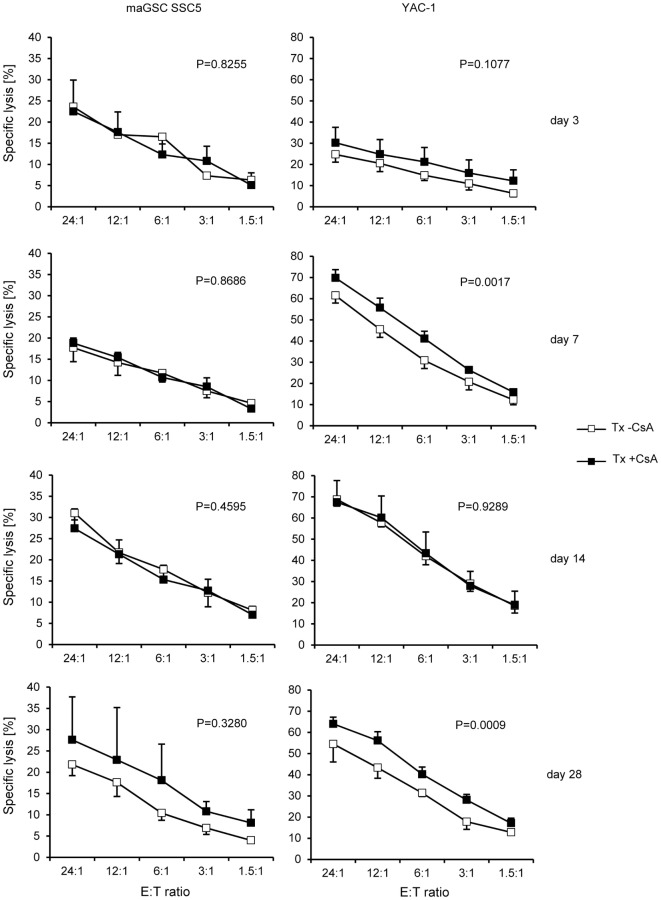
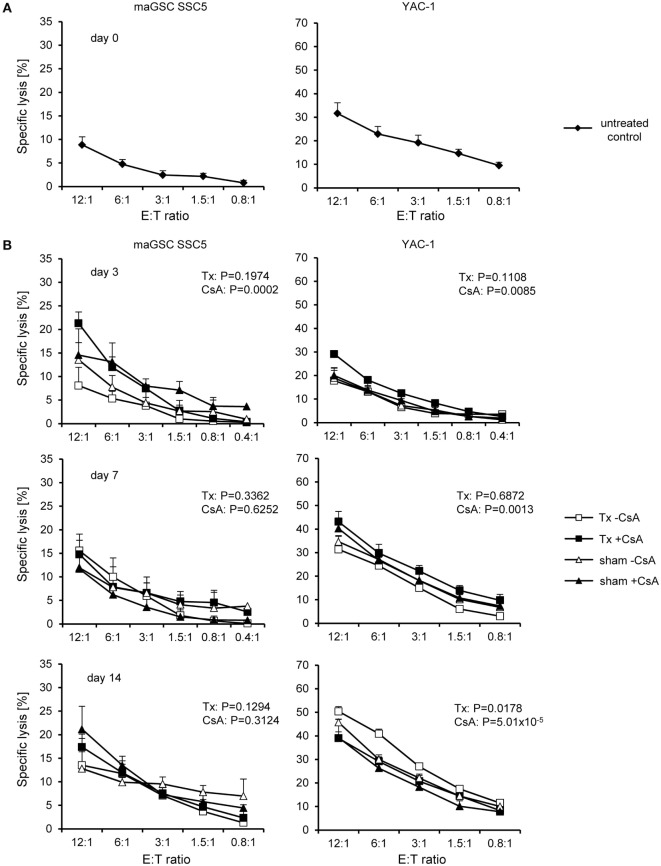
Transplantation of stem cells represents an upcoming therapy for many degenerative diseases. For clinical use, transplantation of pluripotent stem cell-derived cells should lead to integration of functional grafts without immune rejection or teratoma formation. Our previous studies showed that the risk of teratoma formation is highly influenced by the immune system of the recipients. In this study, we have observed a higher teratoma formation rate when undifferentiated so-called multipotent adult germline stem cells (maGSCs) were transplanted into the heart of T, B, and natural killer (NK) cell-deficient RAG2γc mice than in RAG2 mice, which still have NK cells. Notably, in both strains, the teratoma formation rate was significantly reduced by the immunosuppressive drug cyclosporine A (CsA). Thus, CsA had a profound effect on teratoma formation independent of its immunosuppressive effects. The transplantation into RAG2 mice led to an activation of NK cells, which reached the maximum 14 days after transplantation and was not affected by CsA. The -activated NK cells efficiently killed YAC-1 and also maGSC target cells. This NK cell activation was confirmed in C57BL/6 wild-type mice whether treated with CsA or not. Sham operations in wild-type mice indicated that the inflammatory response to open heart surgery rather than the transplantation of maGSCs activated the NK cell system. An activation of NK cells during the transplantation of stem cell-derived differentiated grafts might be clinically beneficial by reducing the risk of teratoma formation by residual pluripotent cells.
干细胞移植是许多退行性疾病即将采用的一种治疗方法。对于临床应用而言,多能干细胞衍生细胞的移植应能实现功能性移植物的整合,且不会引发免疫排斥或畸胎瘤形成。我们之前的研究表明,畸胎瘤形成的风险受受体免疫系统的影响很大。在本研究中,我们观察到,将未分化的所谓多能成体生殖系干细胞(maGSCs)移植到T、B和自然杀伤(NK)细胞缺陷的RAG2γc小鼠心脏中时,畸胎瘤形成率高于仍具有NK细胞的RAG2小鼠。值得注意的是,在这两种品系中,免疫抑制药物环孢素A(CsA)均显著降低了畸胎瘤形成率。因此,CsA对畸胎瘤形成具有深远影响,且与其免疫抑制作用无关。将细胞移植到RAG2小鼠体内会导致NK细胞激活,这种激活在移植后14天达到峰值,且不受CsA影响。激活的NK细胞能有效杀伤YAC-1细胞以及maGSC靶细胞。无论是否用CsA处理,在C57BL/6野生型小鼠中均证实了这种NK细胞激活。野生型小鼠的假手术表明,对心脏直视手术的炎症反应而非maGSCs的移植激活了NK细胞系统。在干细胞衍生的分化移植物移植过程中激活NK细胞,可能通过降低残留多能细胞形成畸胎瘤的风险而在临床上具有益处。