Kazuo Inamori School of Engineering, Alfred University, Alfred, New York 14802, USA.
Hitachi High-Technologies Canada, Inc., 89 Galaxy Blvd, Suite 14, Toronto, Ontario, Canada M9W 6A4.
Nat Commun. 2017 Feb 23;8:14559. doi: 10.1038/ncomms14559.
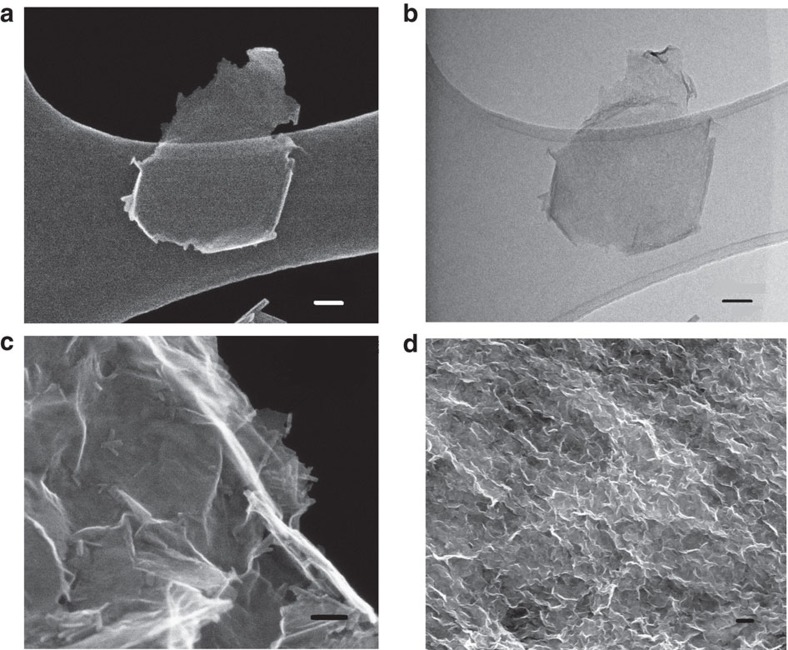
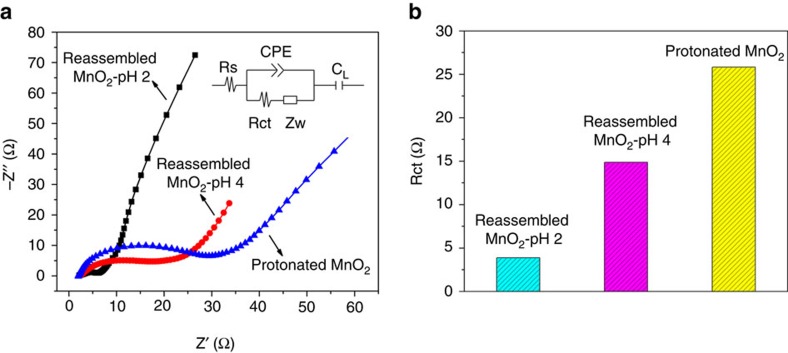
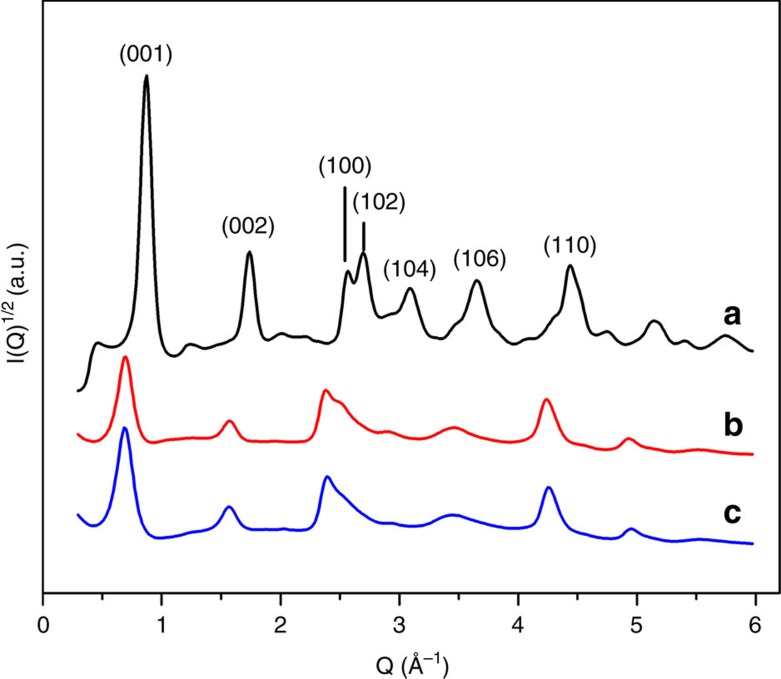
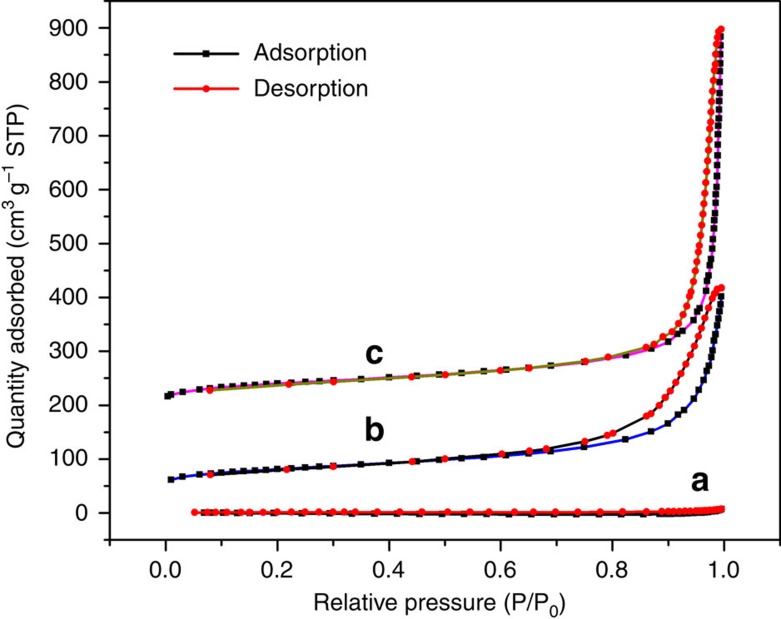
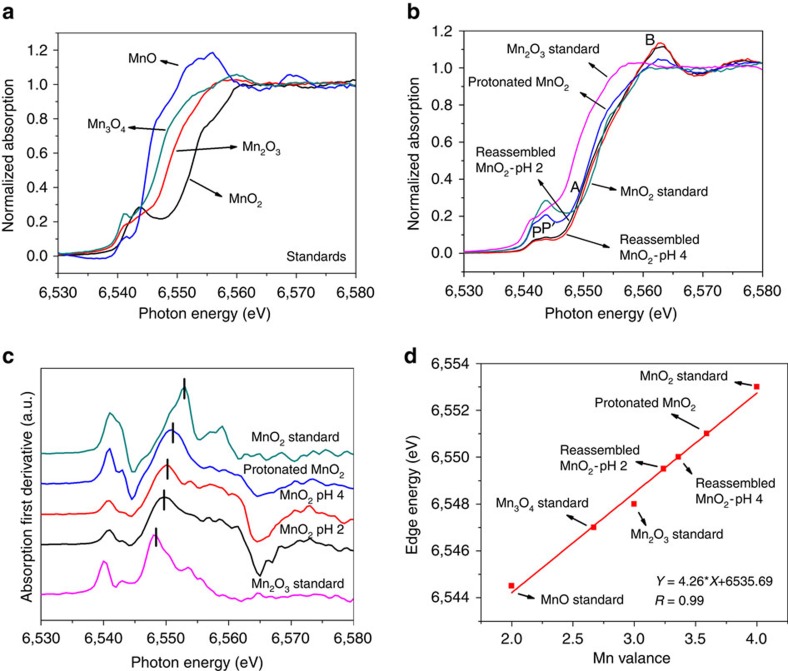
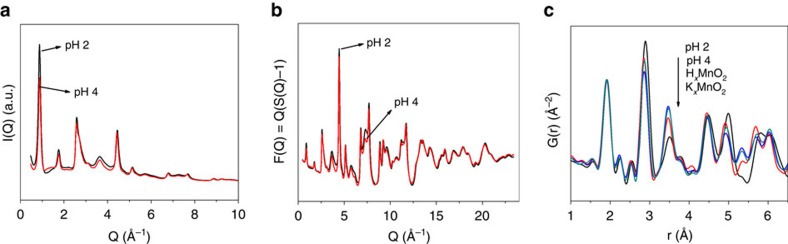
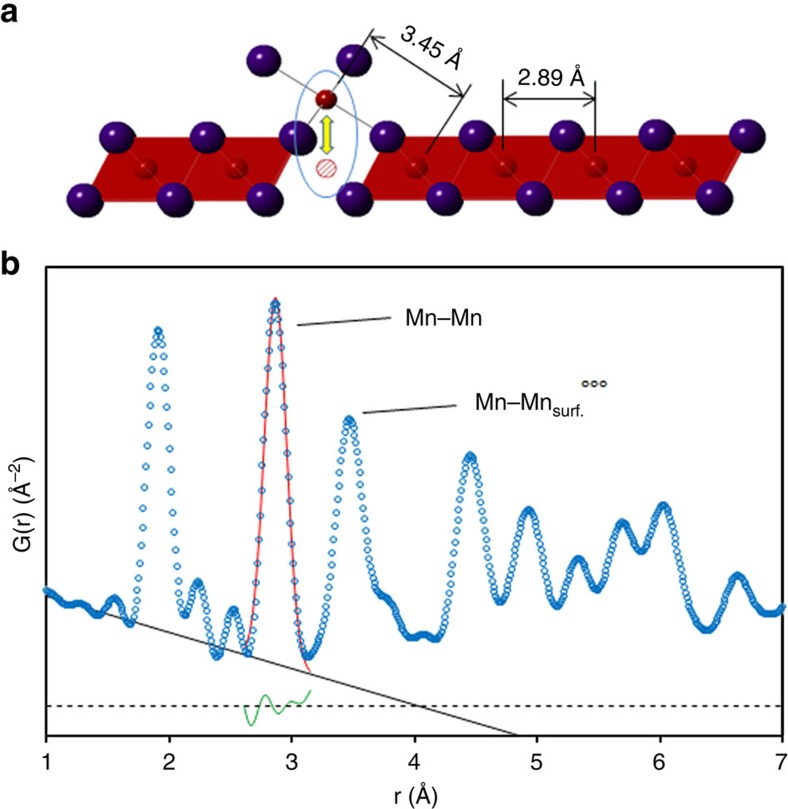
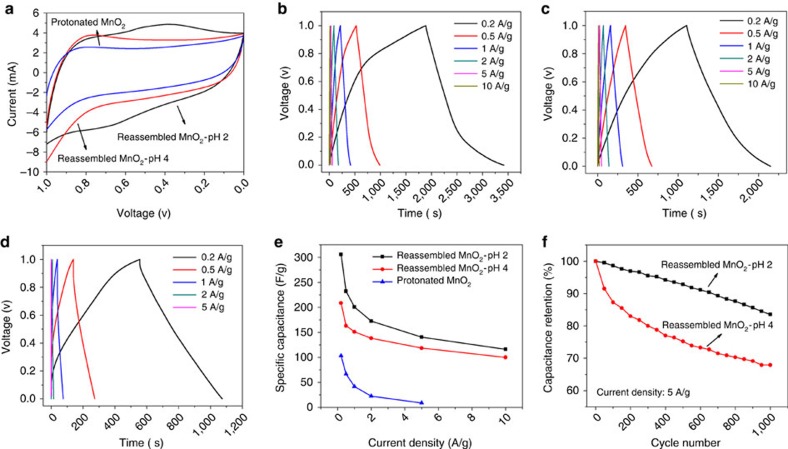
3D porous nanostructures built from 2D δ-MnO nanosheets are an environmentally friendly and industrially scalable class of supercapacitor electrode material. While both the electrochemistry and defects of this material have been studied, the role of defects in improving the energy storage density of these materials has not been addressed. In this work, δ-MnO nanosheet assemblies with 150 m g specific surface area are prepared by exfoliation of crystalline KMnO and subsequent reassembly. Equilibration at different pH introduces intentional Mn vacancies into the nanosheets, increasing pseudocapacitance to over 300 F g, reducing charge transfer resistance as low as 3 Ω, and providing a 50% improvement in cycling stability. X-ray absorption spectroscopy and high-energy X-ray scattering demonstrate a correlation between the defect content and the improved electrochemical performance. The results show that Mn vacancies provide ion intercalation sites which concurrently improve specific capacitance, charge transfer resistance and cycling stability.
由二维 δ-MnO 纳米片构建的 3D 多孔纳米结构是一类环保且可工业规模化的超级电容器电极材料。虽然这种材料的电化学性能和缺陷都已经得到了研究,但缺陷在提高这种材料的储能密度方面的作用尚未得到解决。在这项工作中,通过晶体 KMnO 的剥离和随后的重组,制备了比表面积为 150m g 的 δ-MnO 纳米片组装体。在不同 pH 值下的平衡会将有意的 Mn 空位引入纳米片中,使赝电容超过 300 F g,将电荷转移电阻降低到低至 3 Ω,并使循环稳定性提高 50%。X 射线吸收光谱和高能 X 射线散射表明缺陷含量与电化学性能的改善之间存在相关性。结果表明,Mn 空位提供了离子嵌入位点,同时提高了比电容、电荷转移电阻和循环稳定性。