Kavanagh Kylie, Davis Ashley T, Peters Diane E, LeGrand Andre C, Bharadwaj Manish S, Molina Anthony J A
Department of Pathology, Wake Forest School of Medicine, Wake Forest University Health Sciences, Winston-Salem, North Carolina, USA.
Animal Resources Program, Wake Forest University Health Sciences, Winston-Salem, North Carolina, USA.
Obesity (Silver Spring). 2017 Apr;25(4):689-696. doi: 10.1002/oby.21762. Epub 2017 Feb 25.
Obesity exists with and without accompanying cardiometabolic disease, termed metabolically unhealthy obesity (MUO) and healthy obesity (MHO), respectively. Underlying differences in the ability of subcutaneous (SQ) fat to respond to nutrient excess are emerging as a key pathway. This study aimed to document the first spontaneous animal model of MHO and MUO and differences in SQ adipose tissue.
Vervet monkeys (Chlorocebus aethiops; N = 171) were screened for metabolic syndrome. A subset of MHO and MUO monkeys (n = 6/group) had SQ fat biopsies collected for histological evaluations and examination of key mitochondrial proteins.
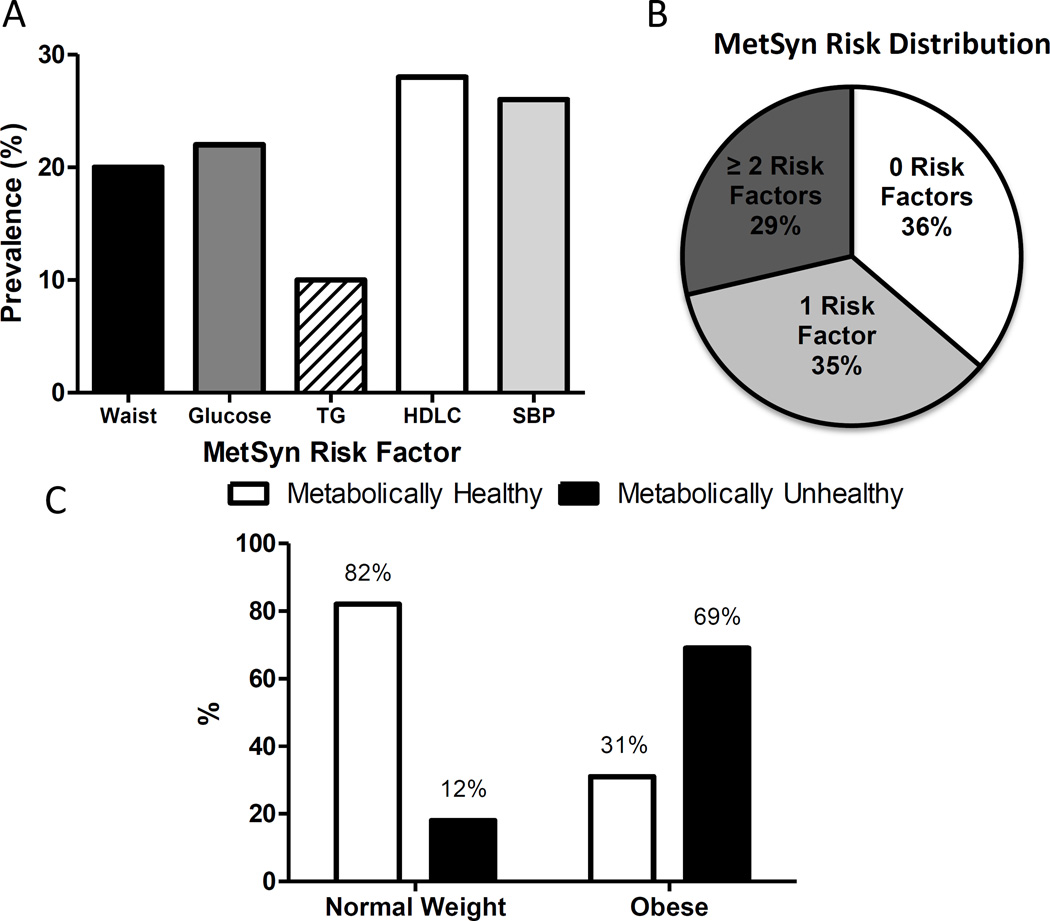
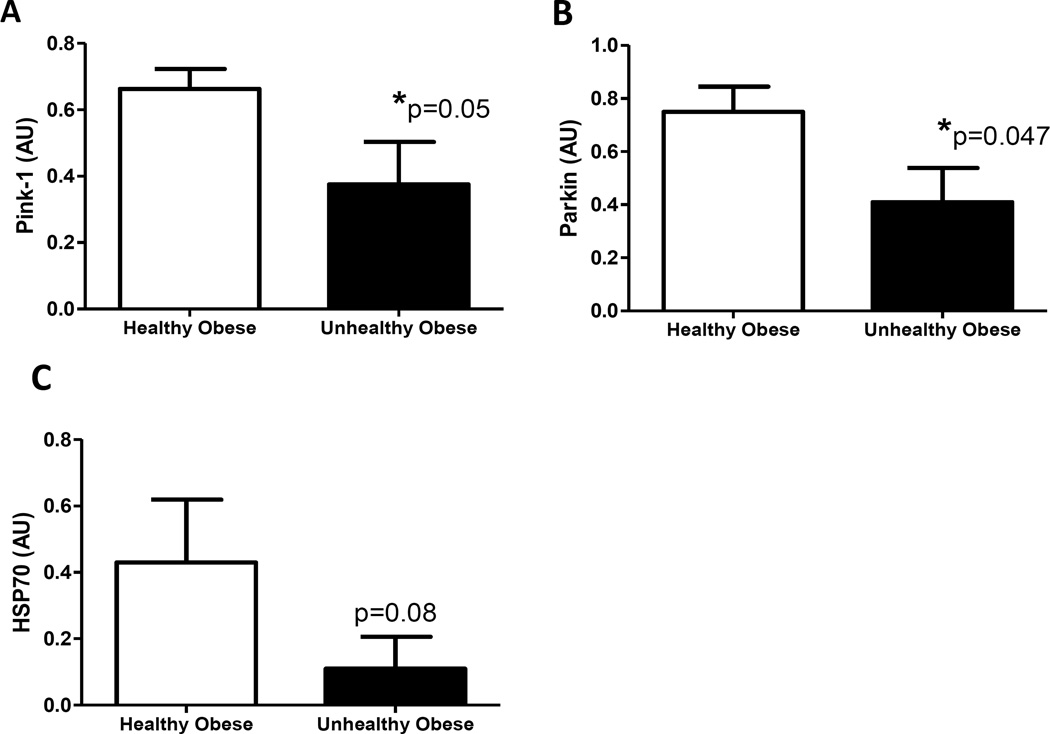
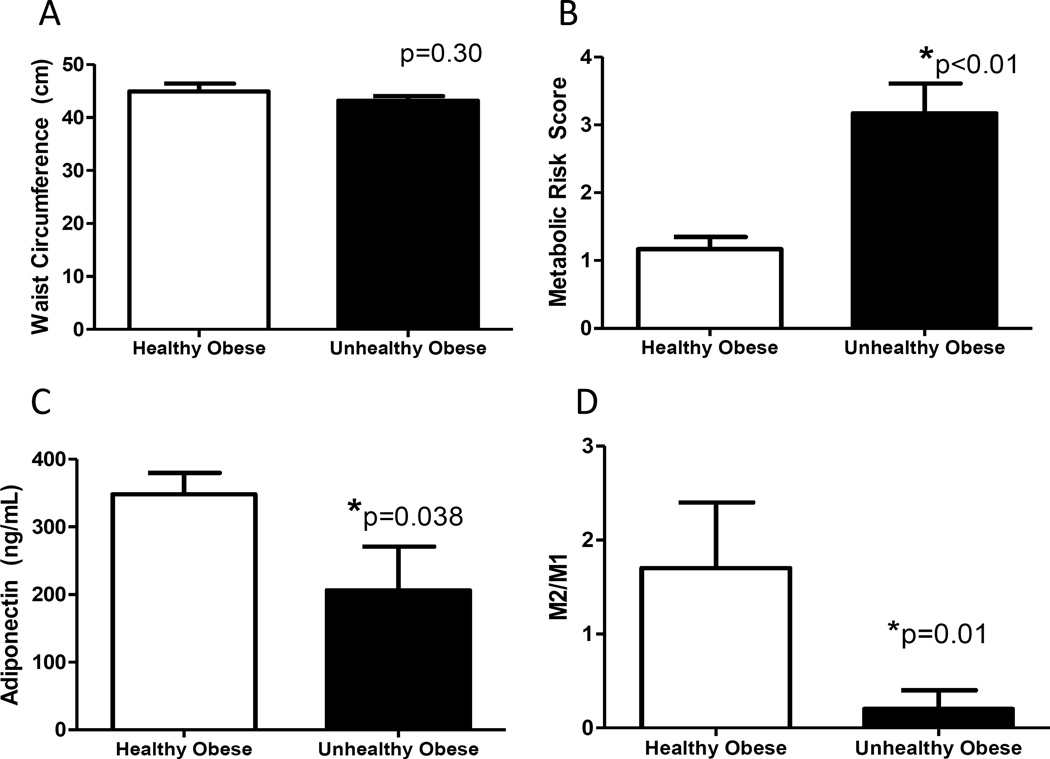
Obesity was seen in 20% of monkeys, and within this population, 31% were healthy, which mirrors human prevalence estimates. MUO monkeys had more than 60% lower adiponectin concentrations despite similar fat cell size, uncoupling protein 3, and activated macrophage abundance. However, alternatively activated/anti-inflammatory macrophages were 70% lower. Deficiencies of 50% or more in mitochondrial quality control regulators and selected mitochondrial fission and fusion markers were observed in the SQ fat of MUO monkeys despite comparable mitochondrial content.
A novel and translatable spontaneously obese animal model of MHO and MUO, occurring independently of dietary factors, was characterized. Differences in mitochondrial quality and inflammatory cell populations of subcutaneous fat may underpin divergent metabolic health.
肥胖存在伴有和不伴有心脏代谢疾病的情况,分别称为代谢不健康肥胖(MUO)和健康肥胖(MHO)。皮下(SQ)脂肪对营养过剩反应能力的潜在差异正成为一条关键途径。本研究旨在记录首个MHO和MUO的自发动物模型以及SQ脂肪组织的差异。
对绿猴(Chlorocebus aethiops;N = 171)进行代谢综合征筛查。选取一部分MHO和MUO猴子(每组n = 6)进行SQ脂肪活检,用于组织学评估和关键线粒体蛋白检查。
20%的猴子存在肥胖,在这一群体中,31%是健康的,这与人类患病率估计相符。尽管MUO猴子的脂肪细胞大小、解偶联蛋白3和活化巨噬细胞丰度相似,但其脂联素浓度降低了60%以上。然而,交替活化/抗炎巨噬细胞减少了70%。尽管MUO猴子的线粒体含量相当,但其SQ脂肪中观察到线粒体质量控制调节因子以及选定的线粒体分裂和融合标记物有50%或更多的缺陷。
表征了一种独立于饮食因素的新型且可转化的MHO和MUO自发肥胖动物模型。皮下脂肪的线粒体质量和炎症细胞群体差异可能是代谢健康差异的基础。