Yang Baojun, Zhao Shunxin
Department of Pathology, General Hospital of PINGMEISHENMA Medical Group, Pingdingshan.
Department of Respiratory Medicine, The First Affiliated Hospital of Zhengzhou University, Zhengzhou, People's Republic of China.
Onco Targets Ther. 2017 Feb 16;10:935-944. doi: 10.2147/OTT.S123398. eCollection 2017.
Polydatin (PD) plays an important role in suppressing platelet aggregation, reducing blood lipid, restoring microcirculation and protecting from myocardial ischemia/reperfusion injury and shock. In addition, PD possesses anticancer activity. However, the effect and the mechanism of PD in regulating multiple myeloma (MM) cell survival and death are still unknown.
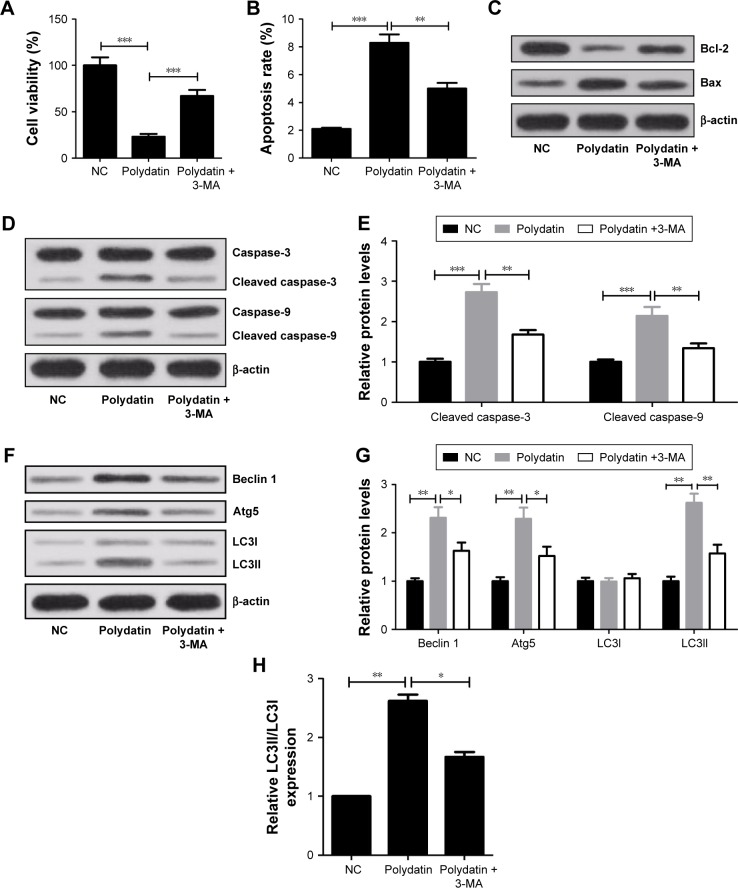
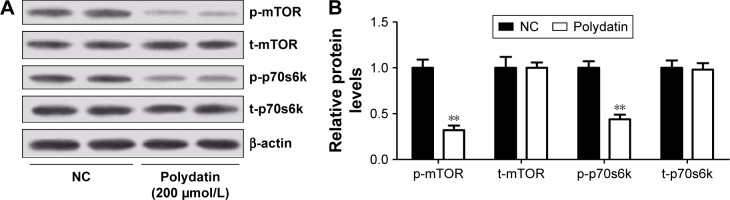
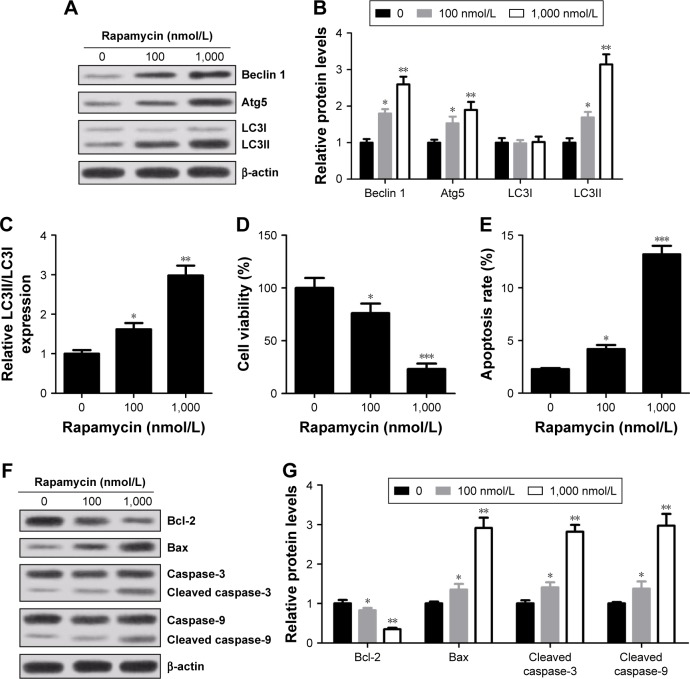
Cell proliferation and apoptosis of RPMI 8226 cells, respectively, were analyzed by cell counting kit8 (CCK-8) assay and flow cytometry. The levels of caspase-3, cleaved caspase-3, caspase-9, cleaved caspase-9, Bcl-2 and Bax were analyzed by Western blot. Autophagy induced by PD was investigated by detecting the levels of Beclin 1, Atg5, LC3I, LC3II, HSP70 and HSP27. The autophagy inhibitor 3-methyladenine (3-MA), mTOR/p70s6k inhibitor rapamycin, and mTOR activator MHY1485 were used to analyze the mechanism of cell proliferation, apoptosis and autophagy influenced by PD. The phosphorylations of mTOR and p70s6k were detected by Western blot.
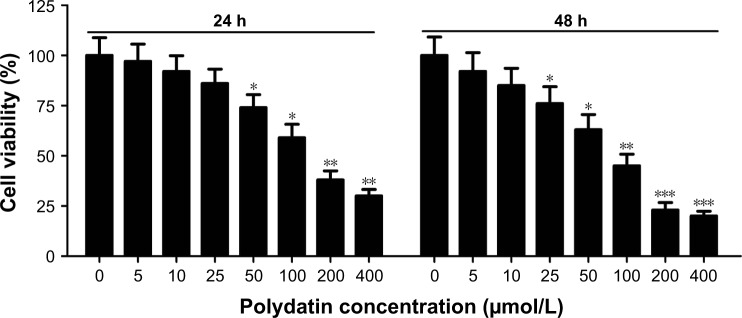
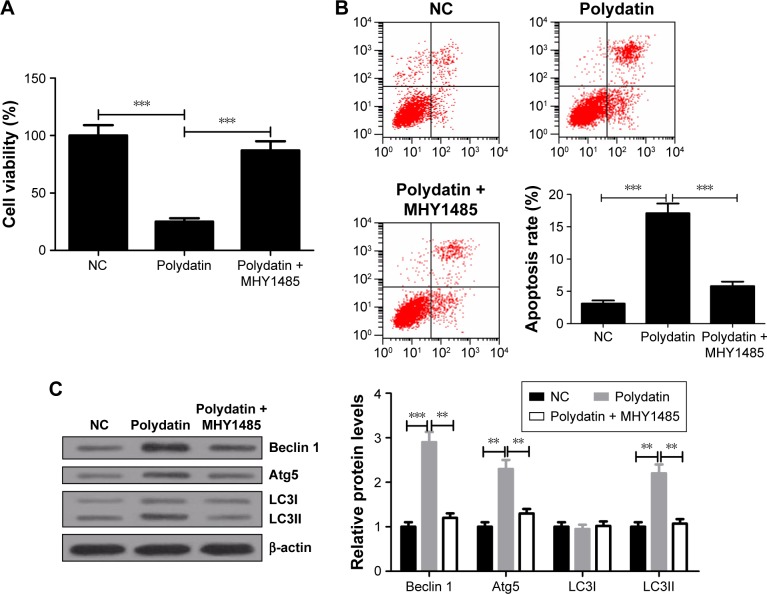
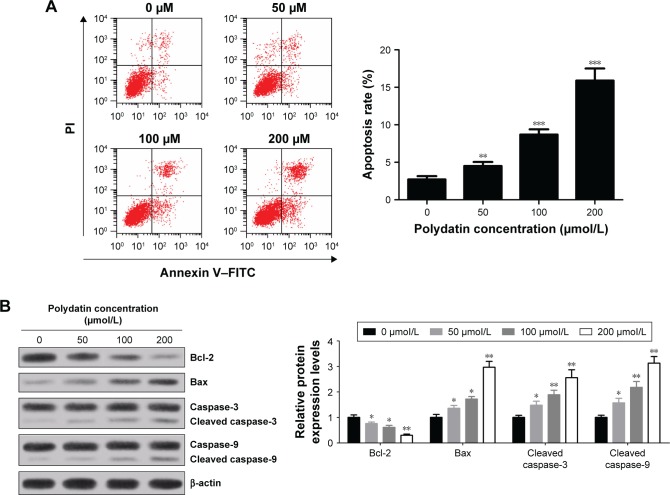
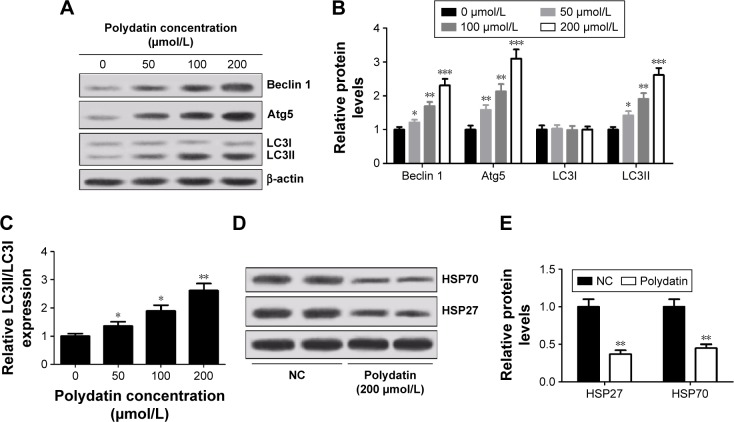
A gradual decrease in cell proliferation of RPMI 8226 cells was observed with an increase in PD concentrations (<0.05). PD also induced cell apoptosis and autophagy in a concentration-dependent manner. Both 3-MA and MHY1485 reversed the inhibitory effect of PD on cell proliferation and attenuated the positive effect of PD on cell apoptosis and autophagy. The phosphorylation of mTOR and p70s6k was significantly suppressed by PD (<0.05). Furthermore, inhibition of the mTOR/p70s6k signaling pathway by rapamycin significantly induced autophagy and apoptosis and inhibited cell viability (<0.05).
PD effectively suppressed cell proliferation and induced apoptosis and autophagy of MM cells via the mTOR/p70s6k signaling pathway in a concentration-dependent manner in vitro, indicating that PD could be a potential anticancer drug for MM therapy.
白藜芦醇苷(PD)在抑制血小板聚集、降低血脂、恢复微循环以及保护心肌缺血/再灌注损伤和休克方面发挥着重要作用。此外,PD具有抗癌活性。然而,PD在调节多发性骨髓瘤(MM)细胞存活和死亡中的作用及机制仍不清楚。
分别采用细胞计数试剂盒8(CCK-8)法和流式细胞术分析RPMI 8226细胞的增殖和凋亡情况。通过蛋白质免疫印迹法分析半胱天冬酶-3、裂解的半胱天冬酶-3、半胱天冬酶-9、裂解的半胱天冬酶-9、Bcl-2和Bax的水平。通过检测Beclin 1、Atg5、LC3I、LC3II、HSP70和HSP27的水平来研究PD诱导的自噬。使用自噬抑制剂3-甲基腺嘌呤(3-MA)、mTOR/p70s6k抑制剂雷帕霉素和mTOR激活剂MHY1485来分析PD影响细胞增殖、凋亡和自噬的机制。通过蛋白质免疫印迹法检测mTOR和p70s6k的磷酸化水平。
随着PD浓度的增加,RPMI 8226细胞的增殖逐渐减少(<0.05)。PD还以浓度依赖的方式诱导细胞凋亡和自噬。3-MA和MHY1485均逆转了PD对细胞增殖的抑制作用,并减弱了PD对细胞凋亡和自噬的积极作用。PD显著抑制了mTOR和p70s6k的磷酸化(<0.05)。此外,雷帕霉素抑制mTOR/p70s6k信号通路可显著诱导自噬和凋亡并抑制细胞活力(<0.05)。
在体外,PD通过mTOR/p70s6k信号通路以浓度依赖的方式有效抑制MM细胞的增殖并诱导其凋亡和自噬,表明PD可能是一种用于MM治疗的潜在抗癌药物。