Engelman A, Rosenberg N
Department of Molecular Biology, Tufts University School of Medicine, Boston, MA 02111.
Proc Natl Acad Sci U S A. 1987 Nov;84(22):8021-5. doi: 10.1073/pnas.84.22.8021.
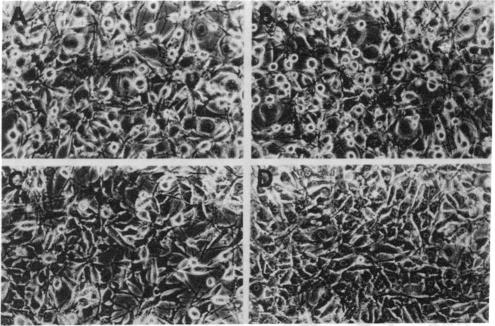
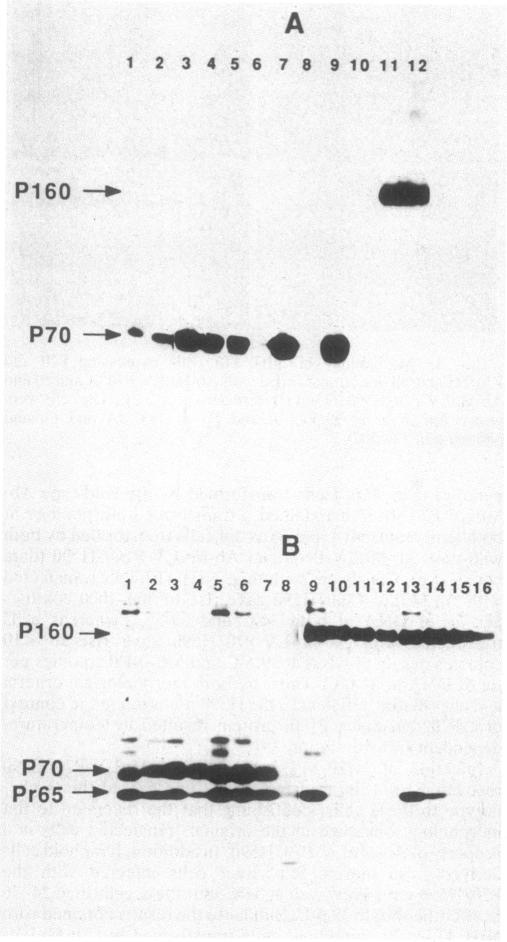
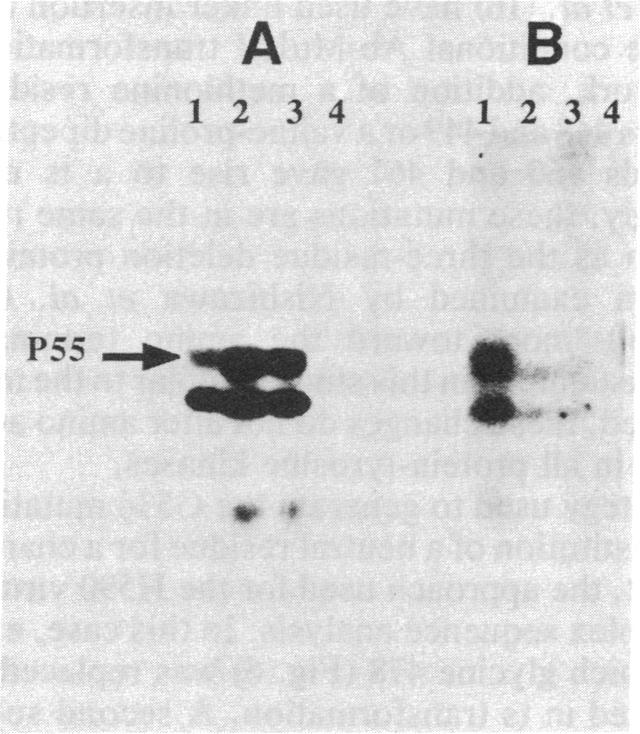
Mutants of Abelson virus encoding temperature-sensitive protein-tyrosine kinase (EC 2.7.1.112) were created by site-directed mutagenesis using sequence information from temperature-sensitive mutants of the related v-src oncogene. Expression of these two independent mutations in Escherichia coli resulted in reduced phosphorylation of the mutant proteins at high temperature. Viruses containing one of the mutations induced conditional transformation of both NIH 3T3 and lymphoid cells when expressed in the context of a truncated transforming protein. These results underscore the functional homology between protein-tyrosine kinases and suggest that transfer of mutations within a related gene family may provide a rapid method to create mutants.
利用来自相关v-src癌基因温度敏感突变体的序列信息,通过定点诱变创建了编码温度敏感蛋白酪氨酸激酶(EC 2.7.1.112)的阿贝尔森病毒突变体。在大肠杆菌中表达这两个独立的突变会导致突变蛋白在高温下的磷酸化减少。当在截短的转化蛋白背景下表达时,含有其中一个突变的病毒可诱导NIH 3T3细胞和淋巴细胞的条件性转化。这些结果强调了蛋白酪氨酸激酶之间的功能同源性,并表明在相关基因家族内转移突变可能提供一种创建突变体的快速方法。