Department of Physical Chemistry, University of the Basque Country UPV/EHU, Apartado 644, 48080 Bilbao, Spain.
Sci Rep. 2017 Mar 3;7:43768. doi: 10.1038/srep43768.
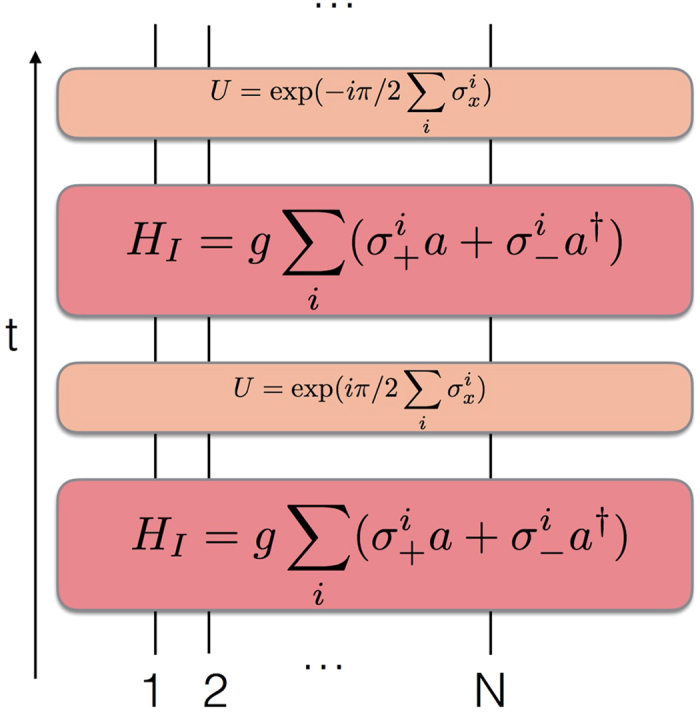
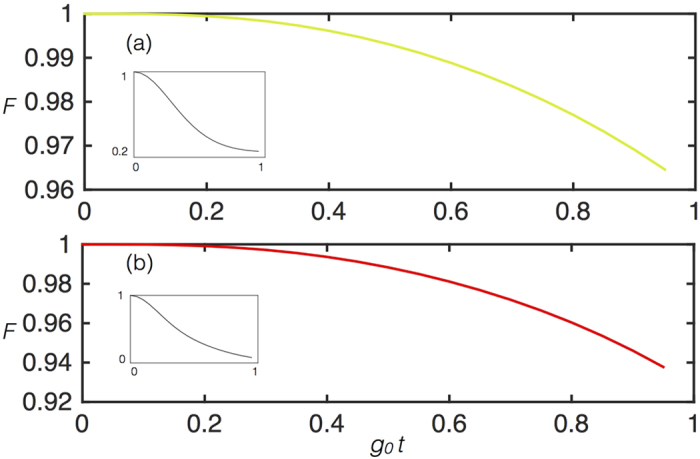
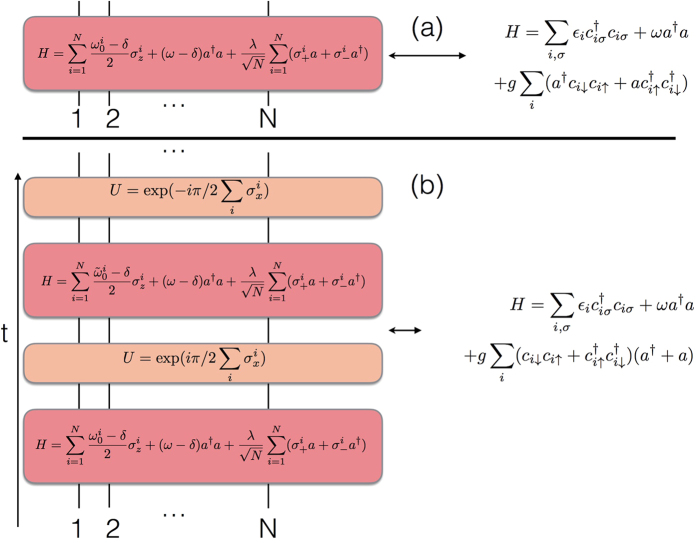
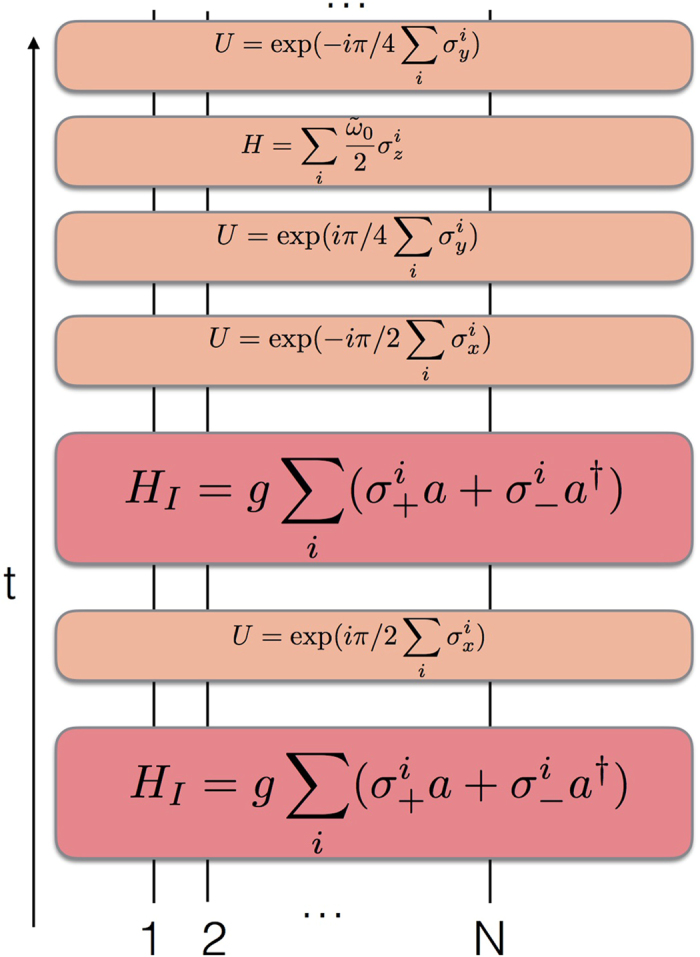
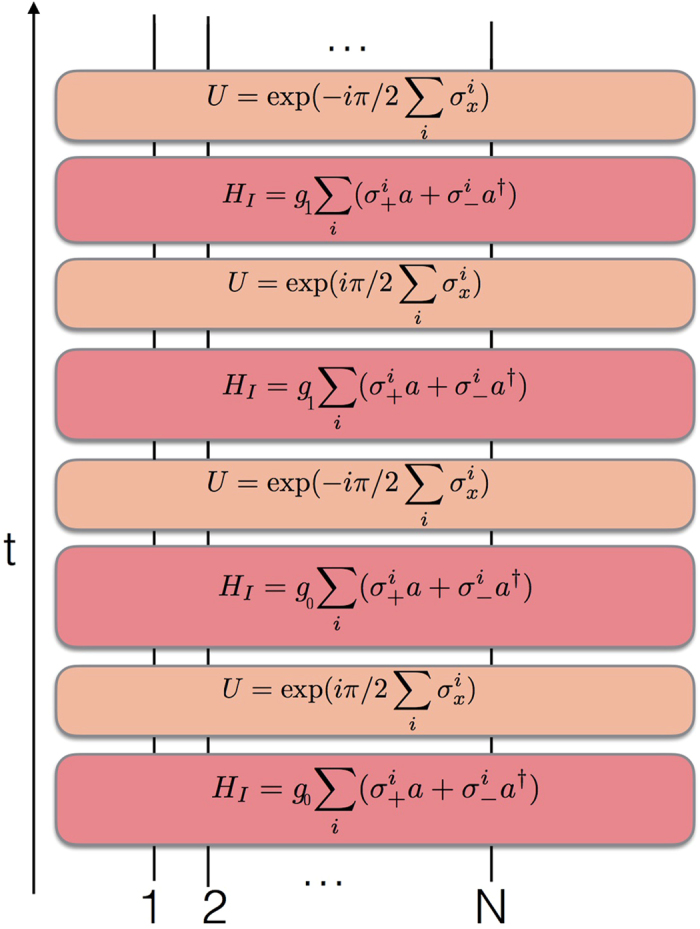
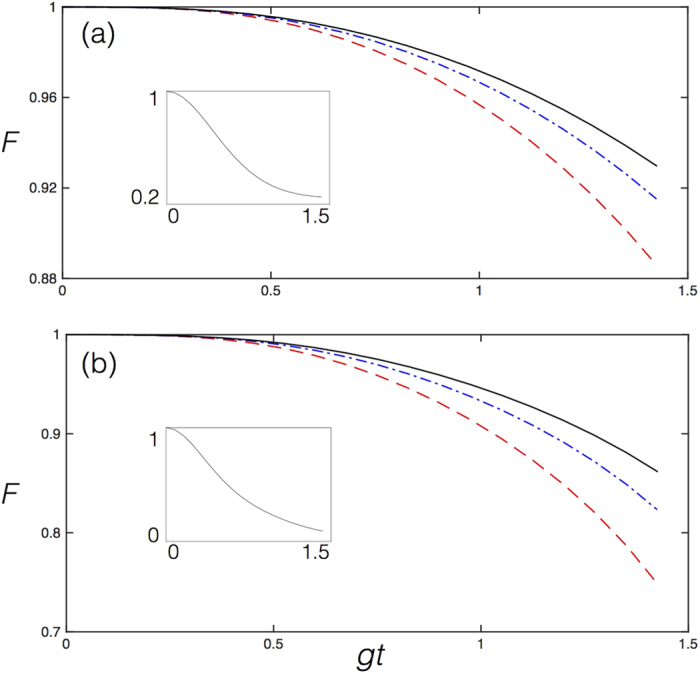
We propose a digital-analog quantum simulation of generalized Dicke models with superconducting circuits, including Fermi- Bose condensates, biased and pulsed Dicke models, for all regimes of light-matter coupling. We encode these classes of problems in a set of superconducting qubits coupled with a bosonic mode implemented by a transmission line resonator. Via digital-analog techniques, an efficient quantum simulation can be performed in state-of-the-art circuit quantum electrodynamics platforms, by suitable decomposition into analog qubit-bosonic blocks and collective single-qubit pulses through digital steps. Moreover, just a single global analog block would be needed during the whole protocol in most of the cases, superimposed with fast periodic pulses to rotate and detune the qubits. Therefore, a large number of digital steps may be attained with this approach, providing a reduced digital error. Additionally, the number of gates per digital step does not grow with the number of qubits, rendering the simulation efficient. This strategy paves the way for the scalable digital-analog quantum simulation of many-body dynamics involving bosonic modes and spin degrees of freedom with superconducting circuits.
我们提出了一种使用超导电路进行广义 Dicke 模型的数模量子模拟,包括费米-玻色凝聚体、偏置和脉冲 Dicke 模型,适用于所有光物质耦合 regimes。我们将这些问题类别编码到一组超导量子比特中,这些量子比特与通过传输线谐振器实现的玻色模式耦合。通过数模技术,可以在最先进的电路量子电动力学平台上进行有效的量子模拟,通过合适的分解为模拟量子比特-玻色子块和通过数字步骤进行集体单量子比特脉冲。此外,在大多数情况下,整个协议期间只需要单个全局模拟块,叠加快速周期性脉冲以旋转和失谐量子比特。因此,通过这种方法可以获得大量的数字步骤,从而降低数字误差。此外,每个数字步骤的门数不会随量子比特数的增加而增加,从而提高了模拟效率。该策略为使用超导电路对涉及玻色模式和自旋自由度的多体动力学进行可扩展的数模量子模拟铺平了道路。