Hanna Eve, Rémuzat Cécile, Auquier Pascal, Toumi Mondher
Public Health Department, Aix Marseille University , Paris , France.
Creativ-ceutical , Paris , France.
J Mark Access Health Policy. 2017 Jan 3;5(1):1265293. doi: 10.1080/20016689.2017.1265293. eCollection 2017.
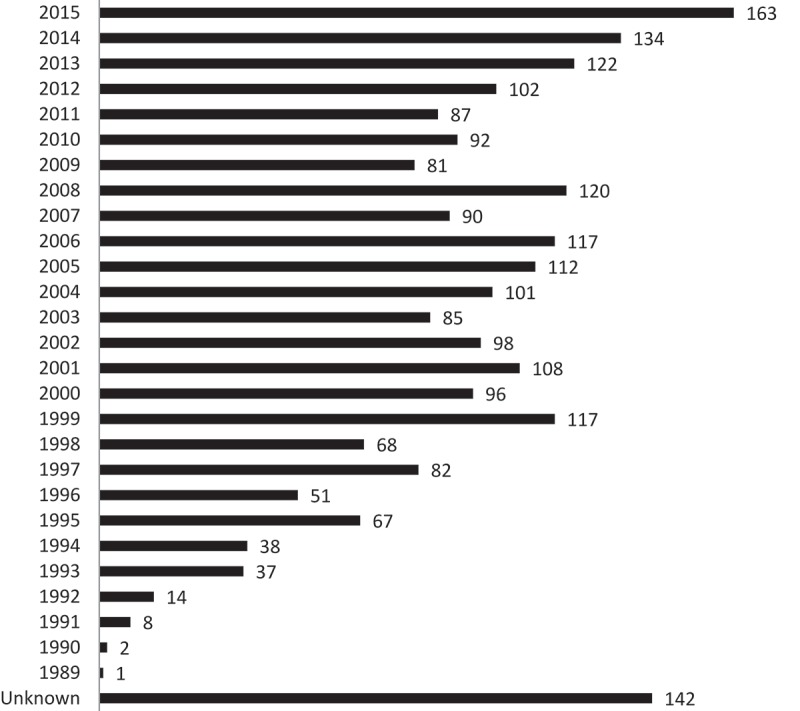
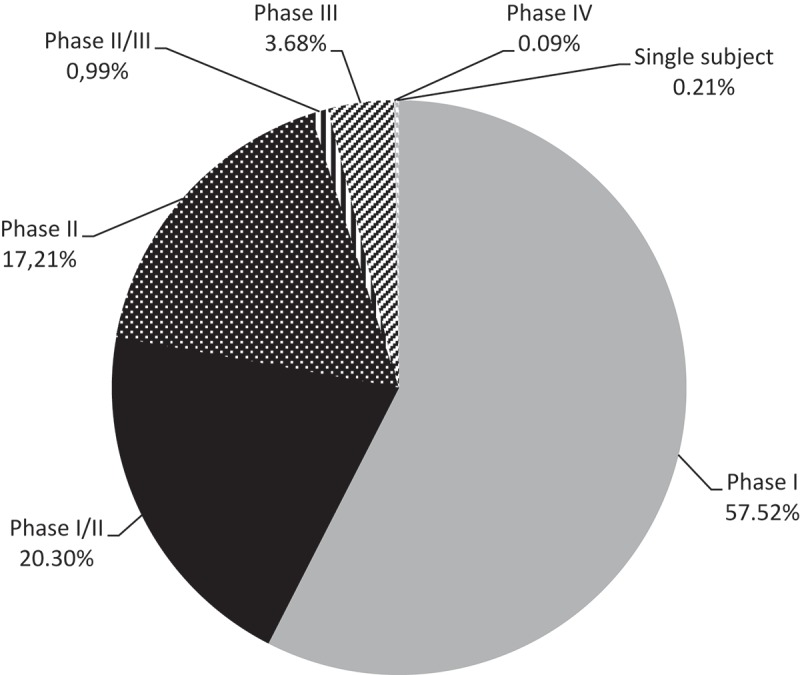
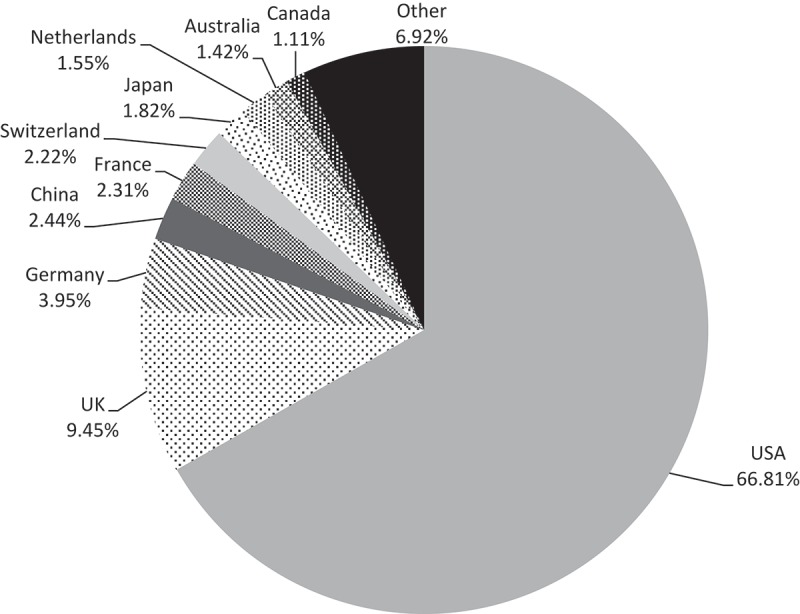
: In 1989, the concept of human gene therapies has emerged with the first approved human gene therapy trial of Rosenberg et al. Gene therapies are considered as promising therapies applicable to a broad range of diseases. : The objective of this study was to review the descriptive data on gene therapy clinical trials conducted worldwide between 1989 and 2015, and to discuss potential success rates of these trials over time and anticipated market launch in the upcoming years. A publicly available database, 'Gene Therapy Clinical Trials Worldwide', was used to extract descriptive data on gene therapy clinical trials: (1) number of trials per year between 1989 and 2015; (2) countries; (3) diseases targeted by gene therapies; (4) vectors used for gene delivery; (5) trials status; (6) phases of development. : Between 1989 and 2015, 2,335 gene therapy clinical trials have been completed, were ongoing or approved (but not started) worldwide. The number of clinical trials did not increase steadily over time; it reached its highest peak in 2015 (163 trials). Almost 95% of the trials were in early phases of development and 72% were ongoing. The United States undertook 67% of gene therapy clinical trials. The majority of gene therapies clinical trials identified targeted cancer diseases. : The first gene therapy was approved in the European Union in 2012, after two decades of dashed expectations. This approval boosted the investment in developing gene therapies. Regulators are creating a specific path for rapid access of those new therapies, providing hope for manufacturers, healthcare professionals, and patients. However, payers are increasingly scrutinizing the additional benefits of the new therapies. Major steps forward are expected in the field of gene therapies in the future.
1989年,随着罗森伯格等人首次获批的人类基因治疗试验,人类基因治疗的概念应运而生。基因治疗被认为是适用于广泛疾病的有前景的治疗方法。本研究的目的是回顾1989年至2015年期间在全球范围内进行的基因治疗临床试验的描述性数据,并讨论这些试验随时间推移的潜在成功率以及未来几年的预期市场推出情况。使用一个公开可用的数据库“全球基因治疗临床试验”来提取基因治疗临床试验的描述性数据:(1)1989年至2015年每年的试验数量;(2)国家;(3)基因治疗所针对的疾病;(4)用于基因递送的载体;(5)试验状态;(6)开发阶段。1989年至2015年期间,全球已完成、正在进行或已获批(但尚未开始)2335项基因治疗临床试验。临床试验的数量并非随时间稳步增加;在2015年达到最高峰(163项试验)。几乎95%的试验处于早期开发阶段,72%正在进行中。美国进行了67%的基因治疗临床试验。大多数已确定的基因治疗临床试验针对癌症疾病。经过二十年的失望等待后,第一种基因治疗于2012年在欧盟获批。这一批准推动了基因治疗开发的投资。监管机构正在为这些新疗法的快速准入创建一条特定路径,为制造商、医疗保健专业人员和患者带来了希望。然而,支付方越来越多地审视这些新疗法的额外益处。未来基因治疗领域有望取得重大进展。