Sreelakshmi V, Abraham Annie
a Department of Biochemistry , University of Kerala , Thiruvananthapuram , Kerala , India.
Pharm Biol. 2017 Dec;55(1):1274-1282. doi: 10.1080/13880209.2017.1299769.
Cataract is the clouding of eye lens which causes impairment in vision and accounts for the leading factor of global blindness. Functional food-based prevention of cataract finds application in vision research because of its availability and easy access to all classes of the society. Cassia tora Linn. (Caesalpinaceae) is an edible plant mentioned in the traditional systems of medicine for whole body health, especially to the eyes.
The present study evaluates the potential of ethyl acetate fraction of Cassia tora leaves (ECT) on experimental cataract.
Cataract was induced by a single subcutaneous injection of sodium selenite (4 μg/g body weight) on 10th day. ECT was supplemented orally from 8th day up to 12th day at a concentration of 5 μg/g body weight and marker parameters were evaluated after 30 days.
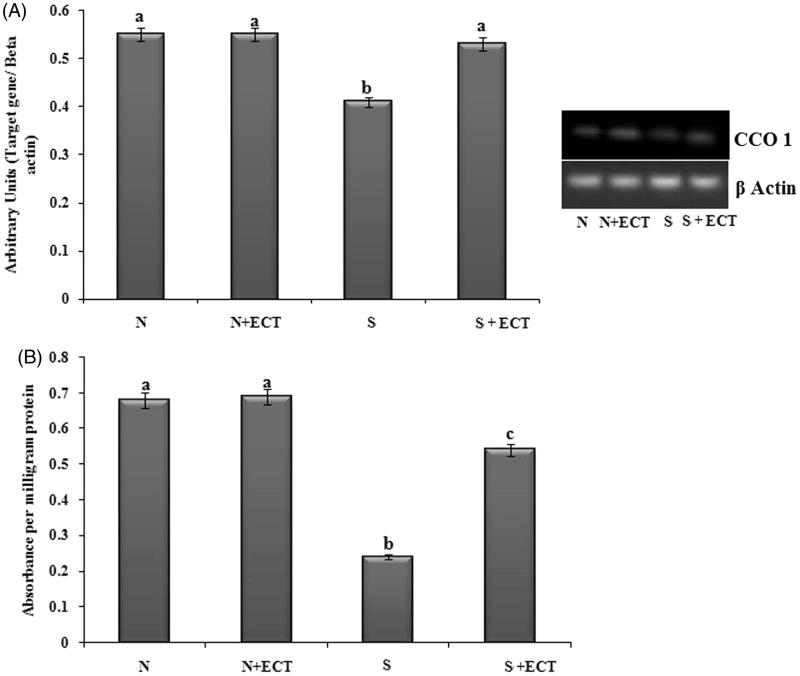
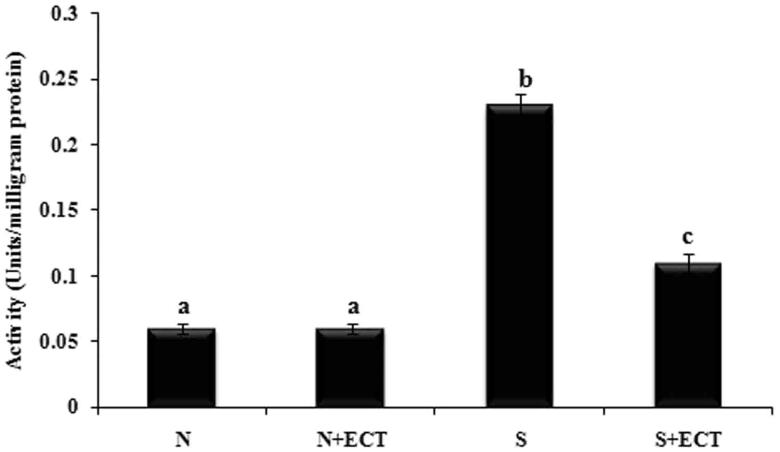
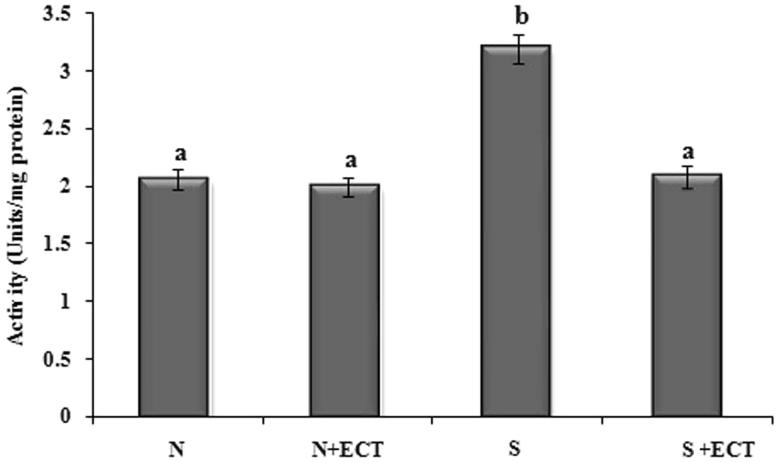
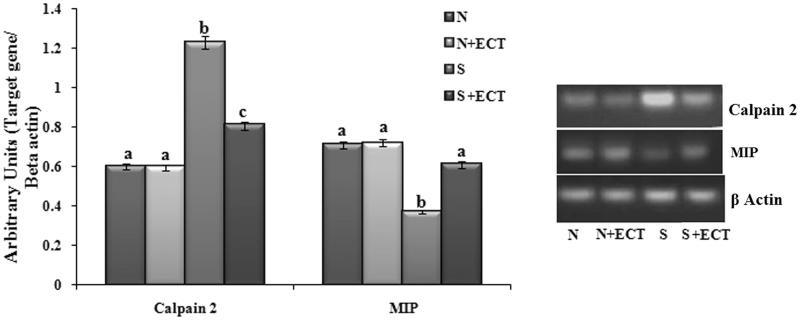
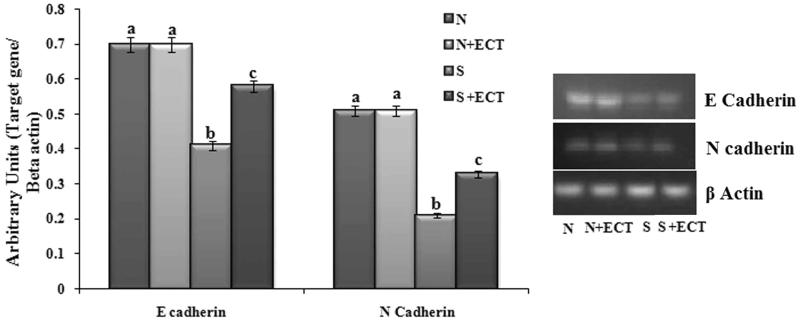
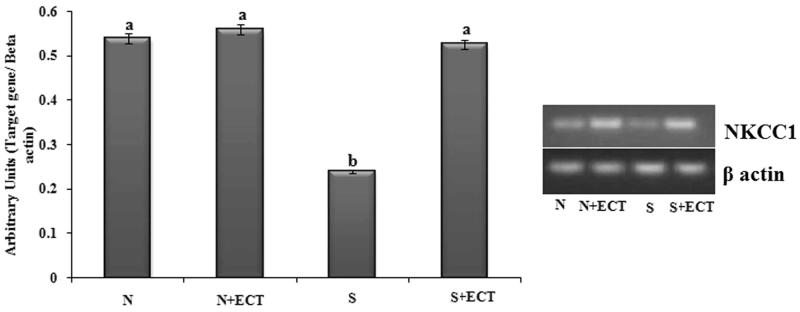
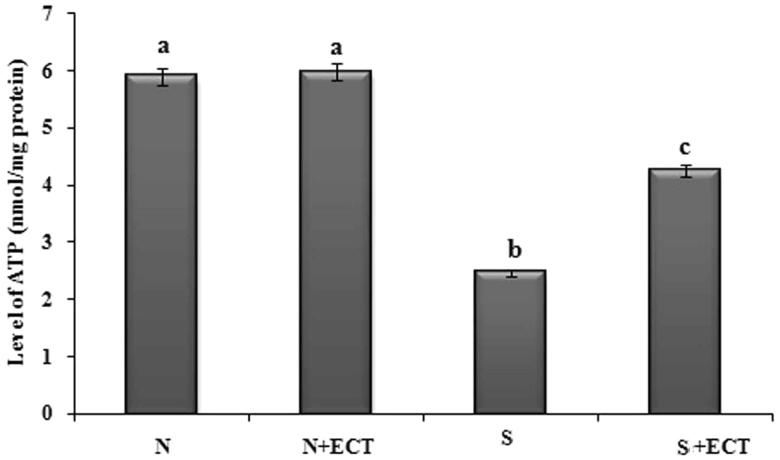
The production of MPO and the activation of calpain were reduced 52.17% and 36.67% by ECT in lens tissue, respectively. It modulated the energy status by significantly increasing the activity of CCO 1 (55.56%) and ATP production (41.88%). ECT maintained the ionic balance in the lens by reducing the level of sodium (50%) and increasing the level of potassium (42.5%). It also reduced cell junction modifications and preserved a functional ubiquitin-proteasome pathway.
The results reinforce the growing attention on wild plant food resources for preventive protection against cataract. The data suggest the value of Cassia tora leaves as a functional food for ameliorating cataract pathology.
白内障是晶状体混浊,会导致视力受损,是全球失明的主要因素。基于功能性食品的白内障预防因其可得性和社会各阶层都易于获取而在视力研究中得到应用。决明(豆科)是一种可食用植物,在传统医学体系中被提及对全身健康有益,尤其是对眼睛。
本研究评估决明叶乙酸乙酯提取物(ECT)对实验性白内障的潜在作用。
在第10天通过单次皮下注射亚硒酸钠(4μg/克体重)诱导白内障。从第8天到第12天,以5μg/克体重的浓度口服ECT,30天后评估标记参数。
ECT使晶状体组织中MPO的产生和钙蛋白酶的激活分别降低了52.17%和36.67%。它通过显著提高CCO 1的活性(55.56%)和ATP的产生(41.88%)来调节能量状态。ECT通过降低钠水平(50%)和提高钾水平(42.5%)维持晶状体中的离子平衡。它还减少了细胞连接的改变,并保留了功能性泛素-蛋白酶体途径。
结果进一步证明了人们对野生植物食物资源在预防白内障方面的日益关注。数据表明决明叶作为改善白内障病理的功能性食品具有价值。