McDougall Melissa, Choi Jaewoo, Kim Hye-Kyeong, Bobe Gerd, Stevens J Frederik, Cadenas Enrique, Tanguay Robert, Traber Maret G
Linus Pauling Institute, Oregon State University, Corvallis, OR 97331, USA; College of Public Health and Human Sciences, Oregon State University, Corvallis, OR 97331, USA.
Linus Pauling Institute, Oregon State University, Corvallis, OR 97331, USA.
Data Brief. 2017 Feb 21;11:432-441. doi: 10.1016/j.dib.2017.02.046. eCollection 2017 Apr.
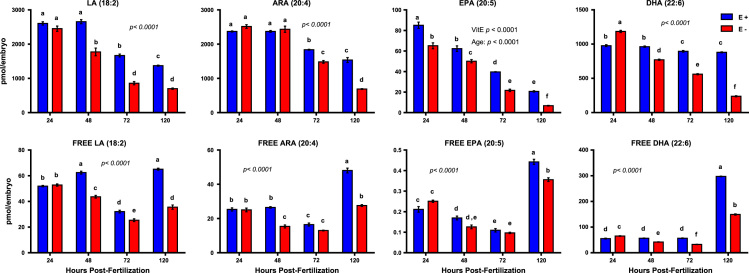
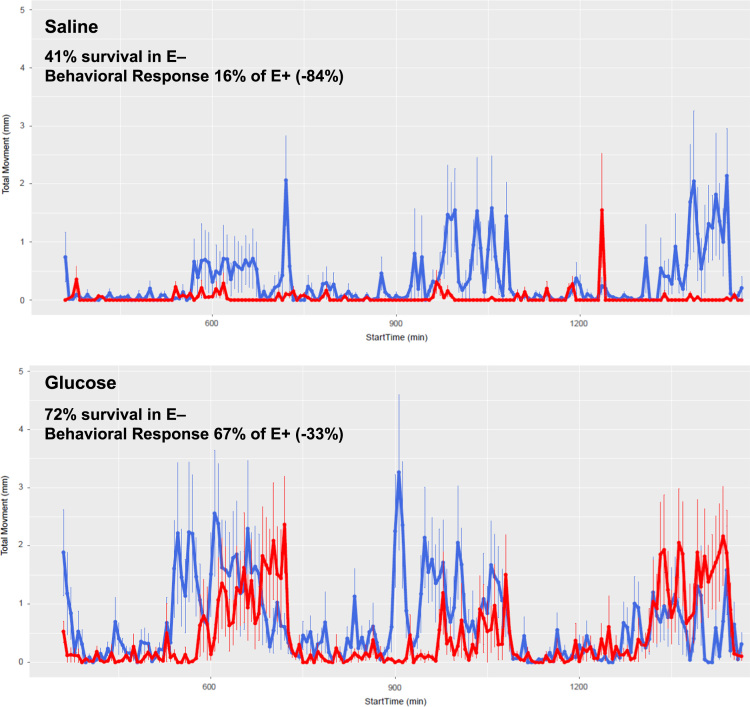
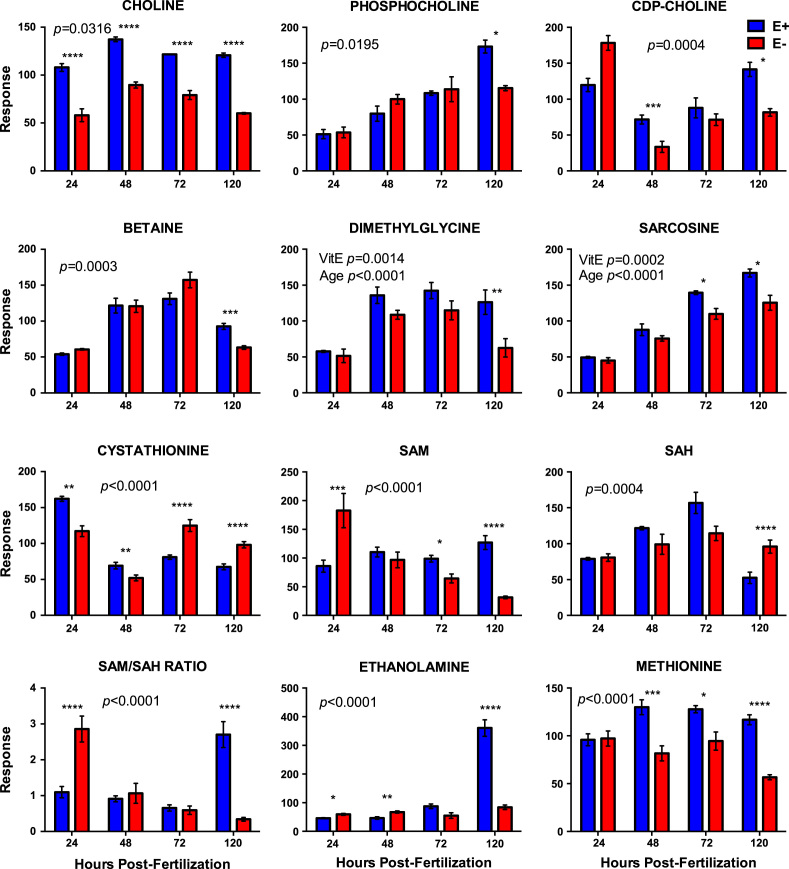
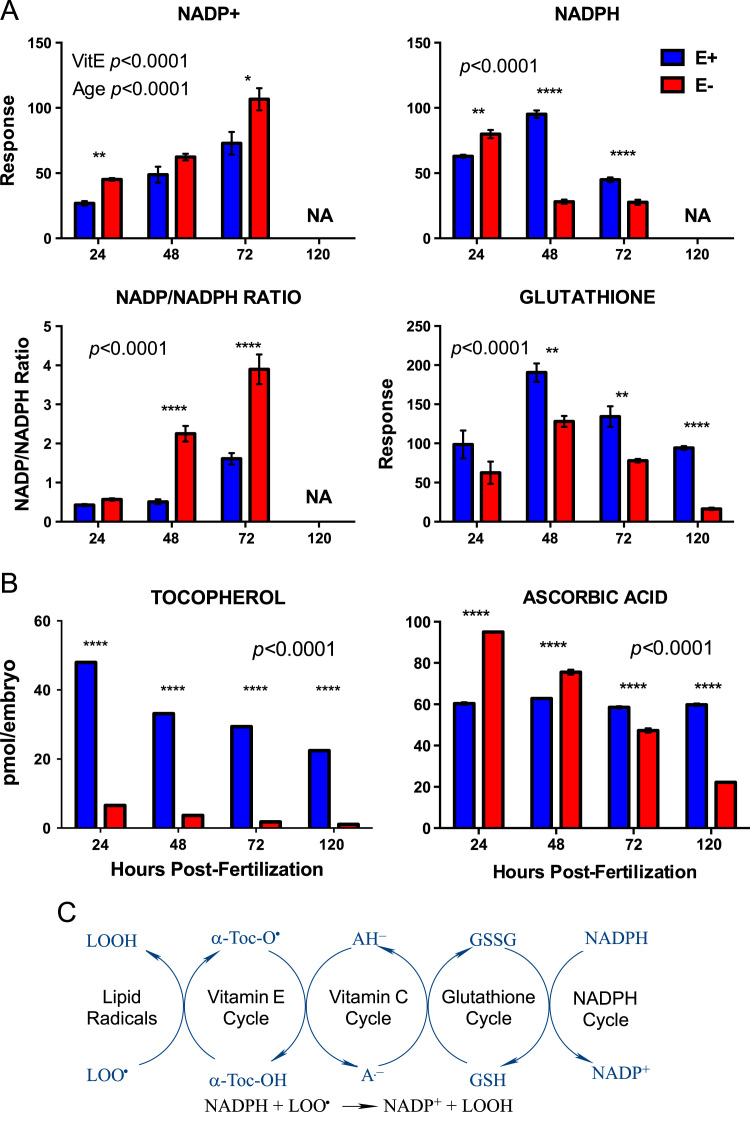
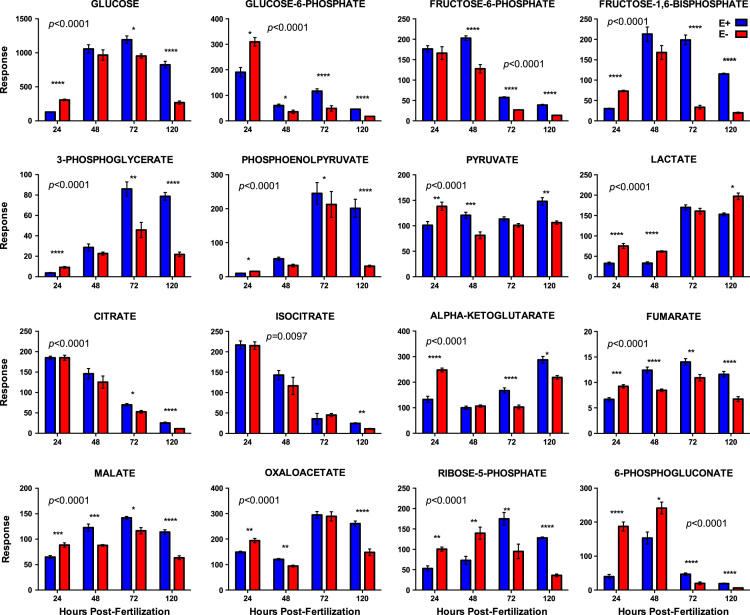
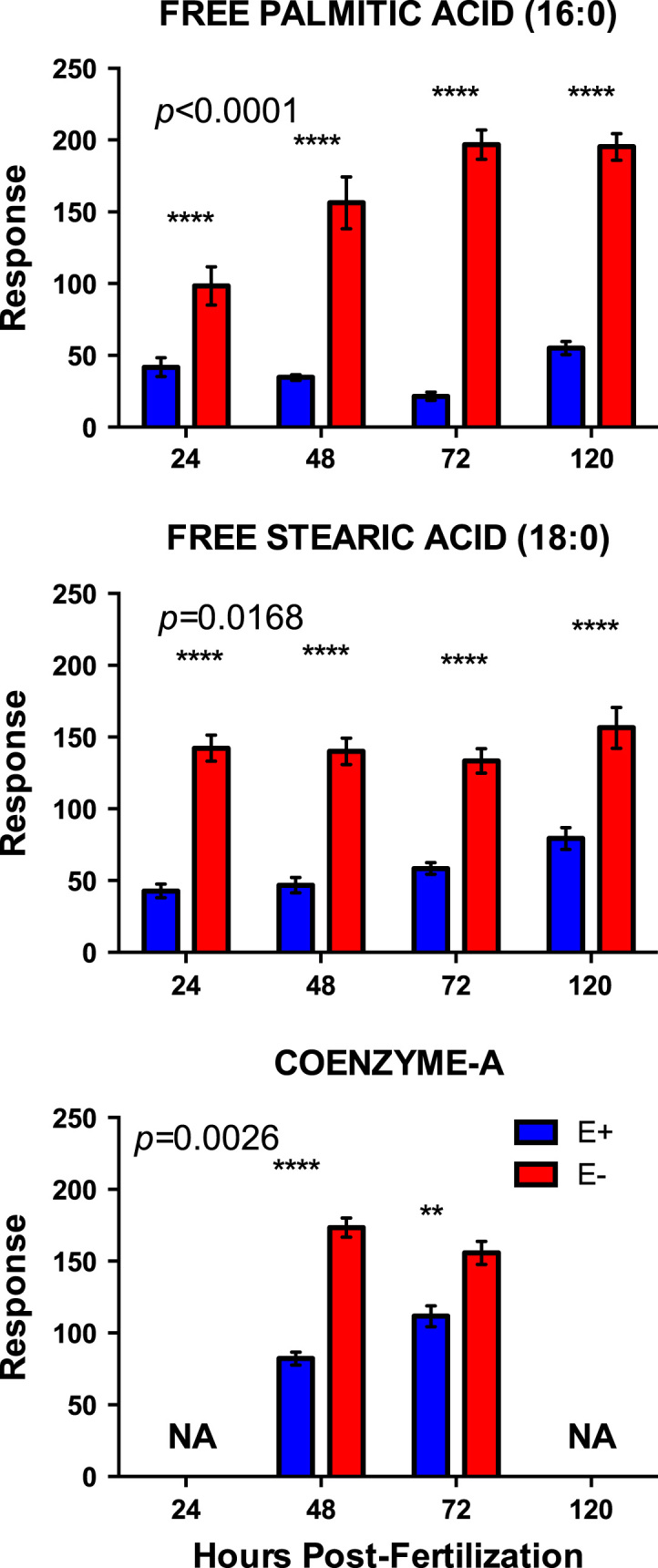
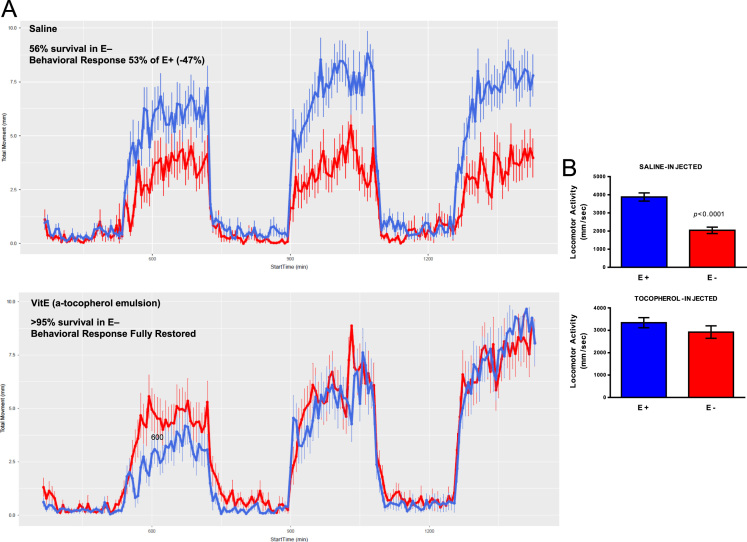
The data herein is in support of our research article by McDougall et al. (2017) [1], in which we used our zebrafish model of embryonic vitamin E (VitE) deficiency to study the consequences of VitE deficiency during development. Adult 5D wild-type zebrafish (), fed defined diets without (E-) or with VitE (E+, 500 mg -α-tocopheryl acetate/kg diet), were spawned to obtain E- and E+ embryos that we evaluated using metabolomics and specific lipid analyses (each measure at 24, 48, 72, 120 hours-post-fertilization, hpf), neurobehavioral development (locomotor responses at 96 hpf), and rescue strategies. Rescues were attempted using micro-injection into the yolksac using VitE (as a phospholipid emulsion containing d-α-tocopherol at 0 hpf) or -glucose (in saline at 24 hpf).
本文中的数据支持了McDougall等人(2017年)[1]的研究文章,在该文章中,我们使用了斑马鱼胚胎维生素E(VitE)缺乏模型来研究发育过程中VitE缺乏的后果。成年5D野生型斑马鱼(),喂食不含(E-)或含有VitE(E+,500毫克-α-生育酚醋酸酯/千克饲料)的特定饲料,进行产卵以获得E-和E+胚胎,我们使用代谢组学和特定脂质分析(受精后24、48、72、120小时,hpf时的每项测量)、神经行为发育(96 hpf时的运动反应)以及挽救策略对其进行评估。尝试通过在卵黄囊中显微注射VitE(作为在0 hpf时含有d-α-生育酚的磷脂乳液)或葡萄糖(在24 hpf时在盐水中)来进行挽救。