Irwin Peter J, Robertson Ian D, Westman Mark E, Perkins Martine, Straubinger Reinhard K
Vector and Water-Borne Pathogen Research Group, School of Veterinary and Life Sciences, Murdoch University, Murdoch, Western Australia, 6150, Australia.
College of Veterinary Medicine, School of Veterinary and Life Sciences, Murdoch University, Murdoch, Western Australia, 6150, Australia.
Parasit Vectors. 2017 Mar 13;10(1):114. doi: 10.1186/s13071-017-2058-z.
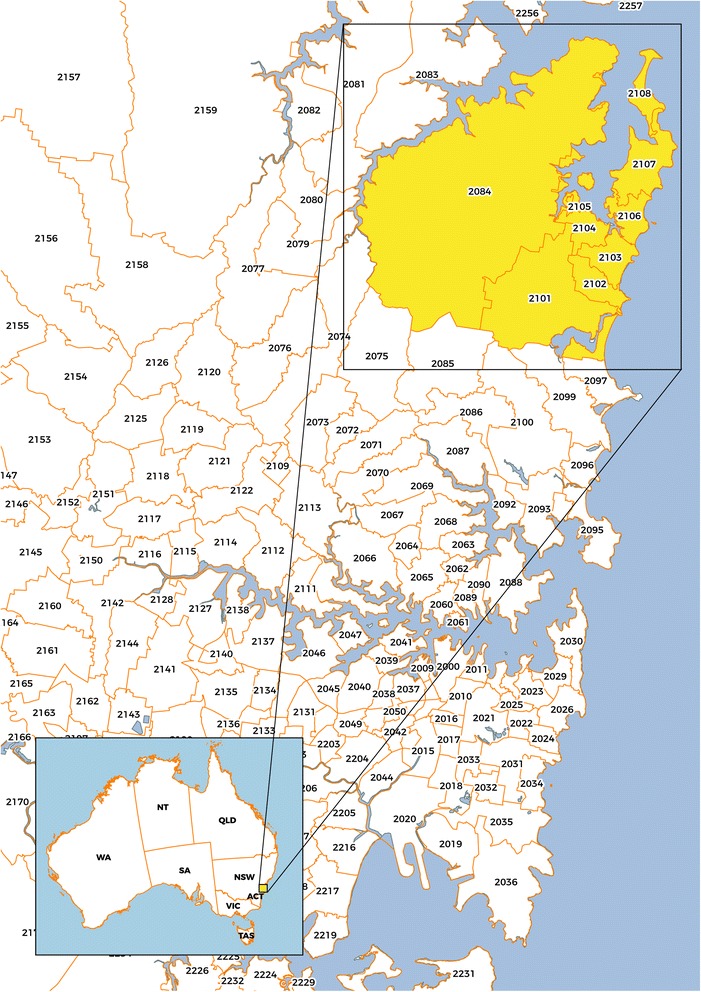
Lyme borreliosis is a common tick-borne disease of the northern hemisphere that is caused by bacterial spirochaetes of the Borrelia burgdorferi (sensu lato) (Bbsl) complex. To date, there has been no convincing evidence for locally-acquired Lyme borreliosis on the Australian continent and there is currently a national debate concerning the nature and distributions of zoonotic tick-transmitted infectious disease in Australia. In studies conducted in Europe and the United States, dogs have been used as sentinels for tick-associated illness in people since they readily contact ticks that may harbour zoonotic pathogens. Applying this principle, we used a combination of serological assays to test dogs living in tick 'hot spots' and exposed to the Australian paralysis tick, Ixodes holocyclus, for evidence of exposure to B. burgdorferi (s.l.) antigens and other vector-borne pathogens.
Altogether, 555 dogs from four demographic groups were recruited into this study. One dog had evidence of exposure to Anaplasma spp. but no other dog was positive in screening tests. A total of 122 dogs (22.0%) had a kinetic ELISA (KELA) unit value > 100, and one dog with a high titre (399.9 KELA units) had been vaccinated against B. burgdorferi (sensu stricto) before travelling to Australia. Older dogs and those with a history of tick paralysis were significantly more likely to have a KELA unit value > 100. Line immunoassay analysis revealed moderate-to-weak (equivocal) bands in 27 (4.9%) dogs.
Except for a single dog presumed to have been exposed to Anaplasma platys, infection with Anaplasma spp. B. burgdorferi (s.l.), Ehrlichia spp., and Dirofilaria immitis, was not detected in the cohort of Australian dogs evaluated in this study. These results provide further evidence that Lyme borreliosis does not exist in Australia but that cross-reacting antibodies (false positive results) are common and may be caused by the transmission of other tick-associated organisms.
莱姆病是北半球一种常见的蜱传疾病,由伯氏疏螺旋体(狭义)(Bbsl)复合体的细菌螺旋体引起。迄今为止,在澳大利亚大陆尚无令人信服的本地获得性莱姆病证据,并且目前在澳大利亚正就人畜共患蜱传传染病的性质和分布展开全国性辩论。在欧洲和美国进行的研究中,狗已被用作人类蜱相关疾病的哨兵,因为它们容易接触到可能携带人畜共患病原体的蜱。应用这一原则,我们使用了多种血清学检测方法,来检测生活在蜱“热点”地区且接触过澳大利亚麻痹蜱(全环硬蜱)的狗,以寻找接触伯氏疏螺旋体(广义)抗原和其他媒介传播病原体的证据。
本研究共招募了来自四个人口统计学组别的555只狗。一只狗有接触无形体属的证据,但在筛查测试中没有其他狗呈阳性。共有122只狗(22.0%)的动力学酶联免疫吸附测定(KELA)单位值>100,一只高滴度(399.9 KELA单位)的狗在前往澳大利亚之前已接种过针对狭义伯氏疏螺旋体的疫苗。年龄较大的狗和有蜱麻痹病史的狗的KELA单位值>100的可能性显著更高。线性免疫分析显示,27只(4.9%)狗出现中度至弱阳性(可疑)条带。
除了一只推测接触过血小板无形体的狗外,在本研究评估的澳大利亚狗群中未检测到无形体属、伯氏疏螺旋体(广义)、埃立克体属和犬恶丝虫的感染。这些结果进一步证明澳大利亚不存在莱姆病,但交叉反应抗体(假阳性结果)很常见,可能是由其他蜱相关生物体的传播引起的。